Today you might be wondering where to buy playground rubber mulch, and boy do we have the answer for you. In fact, we’ve got 95 answers for you!
We have dug deep to find nearly every supplier for churches, schools, playgrounds, daycare centers, and Head Start programs.
This list is for the U.S. market, though some vendors may be open to shipping abroad.
Now, as a manufacturer of non-toxic playground rubber mulch we’ll hope you keep us in mind, but that being said, we didn’t hold back or skew any data. We listed everyone we could find below.
Church playground ideas can be hard to come by. We find churches to be great clients for our non-toxic rubber mulch, and so we created a list of over 150 church playground ideas to help you get inspiration. Check them out!
Designed specifically for children who have difficulty communicating verbally, this weather-proof panel makes it easier for children to express their needs and wants by pointing to the symbols and words on the panel.
The Childforms Quick Ship #3 Structure is ideal for those who want all the bells and whistles without taking up a lot of space, it offers social interaction and creative play with a take twist and turn feature.
The Childforms Quick Ship #4 Structure is ideal for explorers of all ages. This structure offers a 3’ challenging Ring Climber and a 3’ upgraded curved slide for the little explorers and builds up to a 5’ Curved slide for more excitement.
A two-way ride playground glide that is a fun, exhilarating experience, while building confidence and better preparing young riders for future challenges.
A three-way ride Playground glide that is a fun, exhilarating experience, while building confidence and better preparing young riders for future challenges.
Take the kids back to medieval times when castles dotted the landscape, dragons were feared, kings ruled their kingdoms, and knights defended the land. Children can explore the castle’s towers or conquer the dragon slide
An indoor-themed playground creates a unique theme for your church and allows you to bring religious stories to life using their imagination as their inspiration.
An indoor-themed playground creates a unique theme for your church and allows you to bring religious stories under the sea to life using their imagination as their inspiration.
APS 118ADA-02 is packed full of exciting strength-building activities that will help foster a healthy active lifestyle for your little ones. With so many options to choose from, including four unique slides, interactive Sensory panels and challenging climbers, children of all ages are sure to never grow bored.
This awesome play structure includes nine fascinating play components including three at ground level, allowing kids to have a blast before they even step foot on the structure.
The Crawl & Toddle is available with Comfy Tuff or a Coated Steel Deck, combines creative and fun elements of development for children from 6-23 months: Cruise Rail, Bubble Panel, Visual Wheel, Spinning Shapes and Gears. This exciting structure can accommodate up to 8 children and is perfect for the littlest of adventurers as it also has three ways to climb including stairs and a ramp.
This two deck structure comes with a Clock Panel, Shapes and Objects Panel, Window Panel, Gear Panel, Bongo Drums, Rain Wheel, 1-2-3 Step and a slide. This equipment is commercially compliant to CPSC and ASTM standards and IPEMA certified.
The Discovery Center Super Sprout features a multi-functional play ramp that was designed to help infants and toddlers meet developmental milestones. The gentle curved design encourages progression from scooting to crawling to walking while the sides feature animals, shapes, ABC’s and numbers 1-10 to encourage language development and counting skills.
The Discovery Ridge Play System is the ideal piece of equipment for any kind of playground. The 2-deck apparatus can hold between 10-15 children and offers 9 play events above and below deck. Children will be able to engage in dramatic, imaginative play that will assist in the development of their gross motor and fine motor skills simultaneously.
Kids ages 2 to 12 go gaga over the EPS 2ADA-18 because it is so much fun to climb up, over and across this awesome structure. It is perfectly designed for play areas with a limited amount of space but certainly does not compromise on any fun. Two fun slides highlight this multi-platform structure. A Tic-Tac-Toe Panel allows children ages 12 and under to engage in a friendly game that encourages social development
The EPS Noah’s Ark is detailed and cartoon-stylized to add to the fun and imagination this structure will bring to any outdoor play area. The unit features multiple slides, climbers, activity panels, and realistic animal-themed details.
The train is detailed and cartoon-stylized to add to the fun and imagination this structure will bring to any outdoor play area. The unit features multiple slides, climbers, activity panels, and realistic train-themed details.
The South Fork boasts a challenging 4’ Vine Climber and an exciting 4’ Straight Slide. The Window Panel adds a sensory play while giving caregivers increased visibility to the structure. Three ground level music components ensure that children of all abilities will enjoy this structure. Finally, the nature-themed roof helps keeps kids cool as they explore the Big South.
The Tot City meets standards for children ages 2-5 years or 6-23 months. The whimsical roof features a leaf pattern in the natural color option and a start pattern i the playful color option.
Tot Town is a traditional post and deck structure that meets standards set for both the 2-5 year old and 6-23 month age groups. Its whimsical roof provides shade, which ASTM recommends for play spaces for children 6-23 months.
Aberdeen Bend offers a unique blend of play system and thrilling obstacle course, providing an exciting and engaging experience for children. With looping sections of obstacles, this structure allows kids to navigate through without touching the ground.
The Amarillo play structure is truly an awe-inspiring play apparatus that boasts an array of captivating features, ensuring an exhilarating experience for children of all ages. This magnificent structure offers an abundance of thrilling slides, including a remarkable 4-foot Wave Slide that sends little adventurers spiraling down in sheer delight.
Embrace the enchanting musical magic of Lambkin’s Lute Castle Spark Structure, a captivating castle-themed commercial playground system that promises something for everyone. With a perfect combination of ground-level and elevated activities, this playground is a haven of outdoor activity and imaginative play.
Welcome to Arlington Heights, a visually striking play structure designed to impress with its symmetrical layout and an extensive collection of slides. The front side boasts an impressive wall of seven slides, creating a paradise of excitement for children. This abundance of slides ensures that even in crowded play areas, kids can enjoy uninterrupted playtime without waiting in line.
The Cape May play system is an excellent choice for children aged five and above. With its tall structure and spacious design, it provides plenty of room for kids to move around and explore.
Children will spring into the Happy Hollow during play time. The Happy Hollow is designed with the utmost safety and learning in mind with a sprinkle of challenge. Young learners from 6 months and up to 23 months will be stimulated by the number of sensory activities around them.
The Little Tikes Tot Tree is a small playhouse-style unit intended for children ages 6 months to 5 years. It’s designed for toddlers to explore, slide, and climb on a safe structure designed just for them. The Little Tikes tree house has all sorts of hidden surprises within.
A tower of fun for all to see, Shire’s Shield is another addition to PlaygroundEquipment.com’s Castle Series of play structures. Contrasted with typical play structures, which are expansive and take up a great deal of square footage on playgrounds, Shire’s Shield is compact yet chock full of exciting avenues of play.
Pegasus Perch is perfect for children with disabilities, as well as those who lack the ability to surmount stairs. The Ball Maze Panel offers children a chance to test their hand-eye coordination as they guide a small, metal ball through a series of twists and turns, while the Clock Panel provides a simple, intuitive way for children to learn how to read an analog clock.
The Small Tree House with Slide is a great solution for when you want to provide a fun play spot but only have a limited amount of space available. Designed for preschool-aged children, this play unit allows imaginations to soar as they climb into the tree house by the Elephant Stairs or Transfer Station.
What child doesn’t spend time imagining being a farmer at some point? The Tractor is a great place for children to live out that dream. With a Tot Grab Scrambler in front, the tunnel is easy for any child to get into. After crawling through the tunnel, they will come to the steering wheel that can be spun to their heart’s content.
The structure is shaped just like a pirate ship and decked out with fun activity panels. This structure is designed for toddlers, preschoolers, kindergarteners and elementary school goers so everyone can fall in love with this magnificent boat! Bow panels at both ends of the structure connect to several activity panels that make up the sides of the ship.
Duke’s Dwelling provides ample avenues of play within a relatively small space. A Single Drum as well as a set of Bongos comprise the ground-level activities available in Duke’s Dwelling, and with them, kids can create their own drum-based music for the entire playground to hear.
Minotaur’s Maze is a play structure that’s fit for kings and queens.Minotaur’s Maze features several distinct avenues of play. On the ground, kids can find ample shade underneath the structure, where they’ll also find a Bench Panel and a Store Panel. This area is a natural spot for kids to socialize with their friends and even stay out of the sun during the hot days of summer.
The adorable train-themed play structure is designed for toddlers making it an excellent place for them to begin making friends and trying new games. The “car” of the engine features a steering wheel for children to guide the train away with their imagination.
Genie’s Gem is no ordinary play structure; its distinct, castle-like exterior as well as its wide range of activities will make it the crown jewel of your playground.
Roman Reach bears a host of enticing play options for kids young and old. Starting on the ground level, kids can utilize the bongos to craft a percussive tune of their own, or take a load off and rest using the Bench Panel.
This castle-themed structure is sure to encourage imaginative play for each and every kid that interacts with it. Gryphon’s Growl is perfect for any brave and adventurous playground-goer.
The Large Tree House with Slide will teleport any kid deep into a vast forest. Its charming, tree-like design will quell even the most stubborn onlookers, a memorable piece of equipment that will be the talk of the town for a long time.
Its distinctive exterior, including an ornate castle-like roof, Bunker of Beasts is sure to be the center of attention on your playground. Starting on the ground floor, Bunker of Beasts boasts a Bench Panel as well as a Rain Wheel, the latter of which can be used by children who wish to envision themselves driving a car or piloting a boat.
This unique play structure bears a thematic, castle-like design that’s sure to foster the creative energies of all children who play on it. Starting at the ground floor, Magician’s Mischief offers kids the chance to craft their own percussive tune with the Bongos, or rotate the Rain Wheel to help envision themselves behind the wheel of a vehicle or seafaring ship.
The Fire Truck, complete with decorative ladder, is the place for children to try their hand at stopping fires! The Fire Truck is a multi-level climbing structure with a steering wheel, bell and slide. Sharing and socialization is encouraged by having a centrally mounted steering wheel.
Playground-goers are welcomed into a magical world of play at Elven Estate! There are so many different interactive features and ways to play that will keep kids entertained and engaged for hours upon hours.This beautiful structure is sure to encourage constructive play, as well as imaginative play, as kids gallivant around Elven Estate.
The Serpent Saloon is a structure sure to encourage imaginative and adventurous play for every kid that enters it and has so many different ways to play and interact.
Royalty Ridge is replete with ground level and elevated features, from drums to slides to climbers, so kids on your playground will never have a lack of things to do. Royalty Ridge is chock full of excitement, as the children on your playground will discover.
The Port Side Play System will let kids sail the seven seas of their imagination.A Ship’s Bow and two Ship’s Wheels help transport children straight into a stormy ocean as they play.
Valkyrie’s Villa boasts a unique, castle-themed design that will stimulate the imaginations of all children who play on it. Starting on the ground level, kids can play a percussive melody using the Bongos, or use the Ship’s Wheel to imagine themselves as a roving, seafaring admiral.
This bountiful system is ready for harvest. The Generous Harvest Play System keeps children of different sizes engaged and mobile with its clear garden or farm theme. Even at first glance, its charm is immediately noticeable in the Corn Roof, Corn Topper, and Tree Topper. The overall effect becomes the perfect catalyst for an imaginative adventure. Kids will be drawn in by its layout and will be kept entertained by its bushel full of activities.
Children will become royalty while playing on this castle-themed structure. Easy entering and exiting is the design focus of this unique unit.The Arthur’s Apse Play System, like a real-life castle, will stand sturdy with its durable materials and design; ensuring a long-lasting place for non-stop excitement, exploration, and creativity for years to come.
Add a bit of a twist to your playground with the Tropical Twist Play System. Built from powder coat painted galvanized steel and UV resistant rotationally molded plastic, the structure is designed to keep children safe as they go on their own jungle adventure.
Play Mart’s Waikiki Recycled Plastic Play System is a smaller commercial-grade playscape that presents a fun island-themed activity location that kids will love. A beachy photo panel pairs nicely with the sea blue roto-molded slides and tunnel and bright white paneling to really drive home the theme of this structure being a tropical getaway.
The Choo-Choo Train Playhouse brings unique, imaginative fun to the playground. Far from a typical playhouse, this steam engine is designed especially for toddlers, and makes an excellent introduction to the playground around them. Since there are no rails telling this train where to go, kids are free to use their imagination and create their own journey.
Ideal for areas that do not have a lot of property to work with, the Play Mart Tall Ships Recycled Playground features some exciting physical challenges that will get kids physically active and mentally engaged.
This dazzling underwater paradise is fully equipped with many different unique and exciting features sure to inspire hours upon hours of imaginative play. There are play features both on the ground and upper levels of this structure, adding more room and diversity for the kids.
Take the steps up the tower to Conway Castle Playground. Conway Castle is designed to be a spiral turret-like those found on most fairy tale castles. Some adventurers will begin their expedition by heading up the Vertical Ladder only to go across on the Straight Swinging Ring Ladder.
Most kids are enchanted at some point in their lives by the Noah’s Ark story, and the Two by Two playground is based on this classic and iconic theme. Kids instantly recognize the theme when they see the ship-like lines of this recycled playground and the various facade panels that depict images of the animals headed two by two into the ark.
Loki’s Lore bears several thematic elements that serve to increase its visual appeal as well as stimulate the imaginations of all children who play on it.
Saalburg Sails has several unique features that will make kids feel as if they are in a beautiful island castle! The many interactive features will ensure that kids are entertained for hours and hours.
The Noah’s Ark Playground is ready to brave the floods of children coming your way. Above Noah’s Ark Playground flow two Short Taper Sails that will invite children to test out the waters. The Ship’s Bow of Noah’s Ark Playground is made to mimic the appearance of wood while keeping the durability and resolution of rotationally molded plastic.
This exciting climbing structure provides endless fun and adventure for children of all ages and skill levels. It provides a safe and exciting way for children to develop their physical skills, build confidence, and have fun with their friends.
The Pixel Fallen Bridge Climber is a thrilling and engaging play structure that will provide hours of entertainment for children of all ages. This obstacle course is made from sturdy steel and features a UV-resistant powder coating to ensure its durability and longevity. The bridge is designed to test children’s strength, coordination, and problem-solving skills around the horizontal wedge-shaped pixel climber. This structure will encourage physical activity and imaginative play while developing essential life skills.
The Pixel Bridge Climber is a unique and exciting play structure designed for children of all ages. With its vibrant color scheme and playful pixelated design, the bridge is sure to capture the attention of young children.
The Pixel Half Zag Climber is an innovative and exciting playground equipment piece perfect for children of all ages. Its unique half-zigzag design adds a new level of excitement to any play area.
The Four Times the Climber is a versatile and exciting climbing structure with four distinct climbing surfaces, each providing a unique challenge and experience for kids. The four different climbers lead to one overtop ladder in the shape of an octagon.
This thrilling climbing structure provides a challenging and exciting experience that will keep kids engaged and active. Crafted from high-quality materials, this boulder climber is built to withstand the elements and the test of time. The realistic rock design provides an authentic climbing experience, while the non-slip surface ensures a safe and secure climb for kids of all ages and skill levels.
This towering play set is made up of multiple levels and features three vertical climbing walls. These climbing walls are staggered to provide a challenging climbing experience.
The Pixel Funnel climber is the ultimate playground climber for kids who love to climb and explore. With its unique funnel-shaped design, this equipment creates an exciting challenge for kids as they make their way to the top.
The Pixel Zigzag Climber is a unique and exciting play structure that is sure to captivate children’s imaginations and provide hours of entertainment. Framed with durable steel, this obstacle challenger is built to withstand the wear and tear of regular use while ensuring children’s safety.
The Pixel Fence Climber by PlaygroundEquipment.com is an exciting and colorful addition to any play area. Made for children aged 5-12 years old, this play structure is designed to encourage active and imaginative play. The fence’s vibrant color scheme, combined with its playful pixelated design, is sure to capture the attention of young children.
The Pixel Cube Climber is the perfect playground equipment for kids who love to climb and explore. With a modular design, this cube encourages imagination, creativity, and collaboration as children work together to navigate the play system.
Great for developing balance and coordination, the Single Pebble is a great component for children who love stepping up and towering above their peers. When arranged in a group, the Single Pebbles make ideal balance equipment, as kids can step or hop from one pebble to the next.
The Single Pebble is a great way for kids to develop their coordination and balance. Although sold individually, these pebbles are best suited when arranged in a group together.
Step into a world of developmental play with the PlayPod Pedestal. These colorful stepping stones come in graduated heights to help kids develop balance as they hop along a colorful path. PlayPod Pedestals also double as seating areas in quiet spaces or outdoor learning corners, encouraging kids to gather around their instructor and focus on the day’s lesson. Or, they can link activities together in a series of vibrant stepping pods.
This structure is ideal for make believe fun; kids could be tiptoeing across a rickety bridge or walking on a tightrope in a circus performance. Improving coordination and balance are some of the perks to playing on this unit.
As important as it is for children to swing and slide, it is equally as important that they engage in activities that will help to strengthen developing muscles. The Individual Rubber Balance Post by Child Works will inspire climbing, thereby offering an outlet for the exercises that they need. When placed in a row, children can jump from one to the next allowing them to increase their heart rate, improve coordination, and gain confidence.
The 8-foot Zigzag Balance Beam adds a unique twist to the traditional balance beam. While classic balance beams are straight, this unit features two obtuse turns to create a simple challenge for kids as they trek along. Whether they walk across like a trapeze artist, pretend they are a pirate walking the plank, or simply speed walk to the other side, children will have fun as they work on their balance, coordination, and agility all at once
This intuitive activity is a great addition to any playground or park trail. Each step features four posts put together to create a square base that kids can stand on. Youngsters will test their athletic abilities as they hop from one step to the next. This creates a splendid exercise that promotes balance, agility, leg strengthening, and coordination.
The low-to-the-ground, wide footing of the balance beam encourages kids to improve their gross motor skills safely. Ideal for kids ages two to five and older, the Balance Beam has a use zone of 21’0” x 15’0” and a fall height of 1’0”, making it a safe way to play.
ids will learn balance, poise, and acrobatic moves with our 6 foot Anchored Balance Beam by Nature of Early Play: a fantastic tool for children to hone their motor skills and put on gymnastics performances! Kids can imagine life as a circus performer, dancer or Olympic athlete with our sophisticated play accessory. Kids will be attracted to the beam as they take the dare to walk across without falling off.
Great for improving coordination, these Balance Beams serves to help kids have fun on a playground. This balance beam is designed for playgrounds, and has a variety of potential uses. Children can tiptoe across the beam, perhaps envisioning themselves crossing a narrow tightrope, or they can sit on the beam and hang out with friends.
Spin and skip your way to improved agility with the Aluminum Balance Beam. The Aluminum Balance Beam is ideal for helping children to develop their balance, coordination, and gross motor skills. It works as a physical fitness trainer upon which children can walk, twirl, and stick the perfect landing.
The Standard Balance Beam is a straight beam available in an assortment of colors. This playground event allows organizations to add equipment with minimal cost.
Rubber Mushrooms are sold individually to use as a stand-alone play event or to access a structure. The Rubber Mushroom is made with soft rubber molded in a mushroom shape in multiple colors.
The addition of the Zig Zag Balance Beam offers a more challenging balance event. Playground equipment that challenges children is important, as they unknowingly will develop skills such as coordination and balance.
Children ages 2-12 years old will enjoy improving their balance skills atop the 8-Feet Long Snaking Balance Beam. The fun zig-zag design adds a degree of difficulty and promotes coordination development.
The Candy Caterpillar Toddler Play Tunnel is a fun ground level event for children still learning to crawl. The event is perfect for indoor and outdoor playgrounds. The fun theme design is great for your youngest playground travelers that enjoy crawling. The caterpillar has multiple colored feet and viewing holes for easy supervision.
Dynamic, fun and wild are all words that can accurately describe the 4-Section Gus Climb-N-Crawl Caterpillar. Anyone looking for a new way to attract the attention to the most active toddlers will adore this truly captivating caterpillar! Children are drawn both to the bold and exciting colors and the imagination sparking design.
Children will delve deeper into their imaginations with the Double Fun Tube by Childforms. The unique oblong design gives children the extra space that traditional round tubes are missing. The 30-inch clearance ensures a fun playtime for even the tallest of children.
The tunnels are light enough for an adult to lift and move while still being heavy enough to prevent accidental shifting during play by the little occupants inside. This allows grownups to more easily change the location of the tunnel to keep playtime continually engaging for the kids.
Designed with the growing and moving 2 to 5 year age range in mind, the Single Tunnel Crawl Tube is sure to delight children as they journey from one end to the other. The crawl tube is designed to resemble a train caboose and even features “Caboose” spelled out on either side.
The Double Fun Tube with Blue Entrances is twice as long and twice as fun. Fun Tubes are great independent equipment items to add to an existing playground.
Young children love crawling and driving on the playground. The Fire Department Truck allows tots to experience both activities with one piece of equipment themed for young firefighters.
A natural part of any toy train set, the Infinity Express Tunnel is a creative way for children to play on and around a kid-sized train set. Crawl tunnels, of course, are a popular amenity on playgrounds, but few are as creatively-designed as the Infinity Express Tunnel.
The Choo Choo Express is an exciting playground event that younger children will be attracted to. It will allow them to board the train and take it down the tracks to any destination they can think of.
Kids will bring up the rear of the train in imaginative style with the Caboose Play Structure. This Caboose playset acts as a literal and figurative vehicle for children to explore, imagine, and socialize, pretending to be passengers, conductors, and engineers.
This allows for more interactivity while maintaining the immersion for kids who just want to imagine themselves in an industrial atmosphere. Brightly colored commercial grade plastic helps add a sense of playfulness to the overall presentation.
The Freestanding Crawl Tunnel is a simple toy for children, but it is certainly popular. This piece of playground apparatus provides side potholes on the outside of the tunnel, which makes it easier for you to supervise children in the playground.
With our moving tunnels, kids will get lost in hours of collaborative and physical play and develop their balance and gross motor skills. Our tunnels rotate from the base, making them fun for the kids crawling through the tunnels and those riding atop the structures.
This Freestanding Tunnel with Mini Posts is an independent structure that allows you to install a tunnel anywhere. The circular entrance to the tunnel is wide enough to accomodate preschool aged kids. The peek-a-boo holes in the side of the tunnel let in some sunlight, and allows young spelunkers in the tunnel to furtively look at their surroundings.
Every playground needs a tether ball, preferably a durable one that can take the abuse of constantly being used! This is an activity that can be fun for one person, or a little more challenging with a group of people.
The Rhino Skin is easy to grip, which is another advantage for beginner users. The Rhino Skin that covers the ball is durable, making the ball great for indoor or outdoor play. The bright colors are
inviting to children. The Rhino Skin Soft-Eeze Tetherball is sure to be popular on your playground!
Official 5-ply rubber covered tether ball, nylon wound butyl bladder, recessed metal reinforced hanger with white nylon cord. Tether ball is a classic game enjoyed for generations. The game can be played on almost any surface, indoors or out.
The 8.5 inch diameter playground balls are great for all of our funnel ball game sets. The medium size is easy for most ages to handle. Each set comes with 6 different colors of balls including blue, green, orange, purple, red, and yellow. The nylon wound ball includes a two-ply thickness.
Champion balls are perfect for playing dodgeball. They are durable enough to throw and soft enough to hit somebody without hurting them. Every playground should have a collection of Champion balls to help kids have fun while staying safe.
Every playground and park should have this deluxe tetherball set by Champion Sports. It includes everything that you need for a fun game of tetherball! Set up one of these affordable tetherball sets to allow children to play a timeless and active game.
Tetherball is a quick, classic, and fun game that anyone can immediately learn and enjoy. It is an ideal game for playgrounds or public areas because it takes up only a limited circle of space and has no parts which can get lost. It also promotes the formation of friendships, since it is a two-player game that anyone can join in on.
The Funhoop is a unique way to provide interactive fun on the playground and great for all ages. Children develop hand to eye coordination and the graphics offer children an opportunity to create games using the numbers.
Triple the fun with the Triple Toss Funnel Ball Game! The game is simple: Throw the ball up into the cone and it will come out one of the three different exits, which are each labeled with a point value. Children can work together or play alone for a high score, all while strengthening their hand-eye coordination and gross motor skills.
The Funnel Ball Game provides access to a classic playground activity. Funnel ball helps your children remain active and compete with each other. Children playing funnel ball can practice shooting and catching the ball, keeping score, sharing, counting, and playing together.
The standing hold bars allow easy turning by children, allowing the center ring to spin and spin. The Merry Go Round is great for strengthening muscles, developing coordination, and social skills as children work as a team to make the unit spin.
The design of the Spinning Tea Cup encourages children to hone their gross motor skills and coordination skills. And the accessory’s rubber handle is made from PE board in a fun, scalloped shape, to provide comfort and stabilization for kids as they spin.
The Merry Go Cycle is great for strengthening muscles, developing coordination, and motor skills. The main wheel is strong, but lightweight enough for only one child to turn it easily. Works in reverse, teaching cooperation because all children must go in the same direction.
This unit is designed to help young children find their balance and work their muscle development and coordination. They will sit on the seat just as they would a bike, and use their legs to push the unit in a circle. Up to four children can play at once, so social and teamwork skills can be put to the test.
Carrington Carousel is a great way for adults to get involved with their kids’ playtime as well, since it requires a bigger person to push in order for the momentum to carry the riders around.
The Circle Cycle is an updated version of a merry-go-round! A solid steel track allows the wheels to roll easily around as children pedal, and four- and five-seat models are available. A safe handlebar provides a place for children to hold on as they go around.
The design of the scooter allows smaller children to use their feet to turn in circles. This is great for kids who do not know how to use pedals yet, or who are maybe just a little too short to reach.
With its adornment of attractively angled bars and vivid coloring, this commercial-grade recreation product will definitely generate excitement in the play area on the grounds of churches, daycares, or schools. The layout of the bars on top of the platform isn’t purely decorative either, as it allows for up to six children to ride simultaneously, with room both along the edges of the circle and within its center.
This unique design allows kids to play safely while challenging their physical abilities. It contains four fastened bars in two different shapes to grasp or lean on for support. The oblong rings allow the rider to get a solid grip while standing or crouching on the slip-resistant platform.
The 6 foot merry go round offers a classic playground activity at an affordable price. The one piece base is made for heavy use in parks, schools, commercial applications, or the backyard playground. Merry go round has a governor to control speed.
The tantalizing design of this playground carousel will invite onlookers from all over the playground, encouraging socialization and cooperation. In addition to being fun, spinning is also a great exercise! Children will fortify their leg and arm muscles as they push the structure to get it moving.
The 8 foot merry go round comes with a smooth finish and rolled edges for your children’s safety. The equipment features a four piece platform built with heavy duty 11 gauge steel for years of playground use. This merry go round has a governor to control speed.
Merry-Go-Rounds have been eye-catching and iconic playground fixtures which have delighted generations of children. Now, various advancements and improvements on the classic design make structures like the 8-Foot Kaleidoscopic Merry-Go-Round safer than ever.
This commercial-grade recreation product cleverly combines the rigging of a net climber with the rotational movement of a spinner to make for a memorable experience that children will be clamoring for.
Add a bit of music to your playground with the Rockin’ Drum. Constructed from recycled materials, the drums provide a creative outlet to those on the playground. Children can beat them to their hearts’ content.Perhaps the most noteworthy is that it encourages socialization.
The Deer Creek is a great playset for a play area with that needs a compact footprint. Though it may be small in size, it certainly doesn’t lack in play value! Kids will love climbing up the Vine or Beanstalk Climbers, passing through the Crawl Tunnel and sliding down the Curve Slide. Three ground-level music components offer creative play for children of all abilities.
This structure is jam-packed with play value, featuring two slides of differing heights for unique sliding experiences. The Deluxe Rock Climber helps children build strength while improving balance and coordination. When kids are ready for a break from all that playing, they’ll enjoy relaxing on the Bench Panel. A Bass Drum and Ship Wheel Panel add even more interactive play value.
The Mushroom Kottage offers young children appropriate play equipment both inside and out. Inside the playhouse, your children will find animal and insect shapes. Outside, the activities and slide make the Mushroom Kottage a great choice for any play area.
Clingman’s Dome is named for the highest point in Smoky Mountain National Park, and much like the national park, it does not disappoint! The exciting play structure boasts three challenging climbers and two slides. Roofs above the decks provide cooling shade on warm summer days. The Crawl Tunnel and Castle Bridge give children multiple options for traversing between decks, and musical components at the ground level ensure everyone is able to get in on the fun.
If you’re looking for big play value without the big price tag, look no further than Big Sky! Kids will have endless fun as they explore the variety of climbers and slides on this four deck playground structure. They’ll scale the Ultra Mountain Climber or Deluxe Rock Climb to reach the top before sliding down one of three Wave or Straight slides. Children will enjoy relaxing on the bench panel after hours of exploring. They’ll also love jamming out on the ground-level musical components.
Carson’s Canyon offers LOTS of play value, making it a great option for highly trafficked parks, large apartment complexes, or churches. The structure has two slides including a Double Slide. The Game, Window, and Ships Wheel Panels provide sensory play experiences while on the playset, and the Bass Drum and Rain Wheel add music and interactive play for children at the ground level. The Store Panel also inspires imaginative and dramatic play. Additionally, the Vine and Beanstalk Climbers help children develop strength and hand-eye coordination skills.
This playground cleverly uses two platforms to create a fun and inventive fort atop its 48″ dual deck heights. Kids will love to climb up to the top of this structure utilizing the challenging Beanstalk Climber or Vine Climber.
Pike’s Peak is simply packed with play value! Children will enjoy exploring this playset for hours. The Beanstalk and Vine Climbers help children build upper body strength while developing motor skills.
Most kids enjoy climbing and love to scurry up structures only to slide down. That’s why the Cabana makes use of three different climbers and a DuoChute Slide. For those that want to take an easy path to the top, they can start by using the Rock Climber. The staggered handles make for easy hand and foot holds. To take their challenge to the next level, they might use the Boarding Net.
It’s no secret that toddlers love to explore, and the Learn-A-Lot 4 panel playset is packed with tons of opportunities for them to do just that! This unique play structure has a versatile, 4-panel design that can be configured into a square or zig-zag shape for even more variety. Children ages 6-23 months will love discovering all that Learn-A-Lot has to offer, from spinning gears and mirrors, to various shapes and colors. This play structure is appropriate for indoor or outdoor use.
Slide Mountain has slides galore! It has three slides to be exact, including an exciting Double Slide. Along with slides, this structure also features three climbers – a Beanstalk Climber, Rung Climber, and Deluxe Rock Climber to improve strength and coordination. Slide Mountain also has the popular and challenging Overhead Climber. Ground-level music components include a Rain Wheel and Bass Drum, making sure children of all abilities can join in on the fun.
The Crawl ‘N Toddle is perfect for active toddlers! It combines 3 ways to climb and crawl with engaging play elements for children ages 6-23 months. Little ones will love discovering various sliding and spinning elements designed to enhance motor skills. Handholds throughout the structure make cruising a breeze for new walkers. The Crawl ‘N Toddle is available with a ComfyTuff or Steel Coated Deck and is appropriate for indoor or outdoor use.
Falcon’s Roost has plenty of play value that will keep children entertained for hours. The Beanstalk Climber helps children develop upper body strength, balance and motor skills. Double and single slides provide the excitement of zipping down to the ground to start climbing again. Two of the decks are connected with a crawl tunnel and a roof provides shade for the structure. Three music components at the ground-level provide interactive fun for children of all ages and abilities.
This playground set has commercial grade components specifically engineered to resist corrosion, fading and mildew. Designed in compliance with public playground safety standards and meets ADA Guidelines and allows inclusive play for all children.
This climbing activity has commercial grade components specifically engineered to resist corrosion, fading and mildew. Designed in compliance with public playground safety standards and meets ADA Guidelines and allows inclusive play for all children.
This 2-panel play station is perfect for engaging active toddlers. It can be used indoors or outdoors, and even upgraded to a 4-panel configuration for larger spaces. The Learn-A-Lot play structure offers a variety of multi-sensory experiences that assist with gross motor development, movement skills, and more. It is available in the natural or playful color palette.
A great choice for parks, apartment complexes, and churches, Maddie’s Chase has lots to offer for children ages 5-12. Kids will enjoying playful racing competitions on the Double Slide. Upper body strength is put to the test as kids try to make it to the other side of the challenging Overhead Climber. Entry and exit options on the play structure include a fun Beanstalk Climber and Stepping Pods. Interactive play elements include musical components, and a Bench Panel provides a place to rest between turns on the slide.
With three decks, three slides, and three climbers, Boulder Point has you covered! This exciting play structure features not one but TWO 6’ wave slides along with a 4’ curved slide. Children will love exploring a variety of ways to reach the decks with a Deluxe Rock Climbing Wall, 6’ Rung climber, and 4’ Vine Climber. The crawl tunnel provides kids with a way to move between decks. Music components like the Bongo Drums and Rain Wheel add engaging play for children of all abilities.
The South Fork is a great solution for churches, apartment complexes or early childhood development centers. Extremely rugged and durable, it is meant to stand the test of time and the wear and tear of constant play. This structure utilizes heavy duty plastics that are roto molded and blow molded. Additionally, this set features 13 gauge galvanized steel tubing that is also powdercoated for lasting durability.
Heavy Duty Swing Set promotes upper body and leg strength, while also building agility. High-quality construction gives you the confidence that comes with a safe, sturdy heavy-duty swing set.
Heavy Duty Swing Set promotes upper body and leg strength, while also building agility. High-quality construction gives you the confidence that comes with a safe, sturdy heavy-duty swing set.
This playground set has commercial- grade components that are specifically engineered to resist corrosion, fading, and mildew. Designed in compliance with public playground safety standards and meets ADA guidelines and allows play for all children.
This climbing activity has commercial- grade components that are specifically engineered to resist corrosion, fading, and mildew. Designed in compliance with public playground safety standards and meets ADA guidelines and allows play for all children.
The Treasure Hollow offers maximum play value for children ages 5-12 without compromising space and budget. Children can develop their gross motor skills and balance with three unique climbing components.
Spring Riders are an excellent way to add excitement and imaginative play to new or existing playground. This whale spring rider is a coastal blue and makes a great addition to a coastal or sea-themed playground. It is made out of a single piece of rotomolded plastic the is very durable and will last for years in an outdoor high-traffic commercial application.
Upon reaching the top of the Vine Climber or stairs, children will have a blast zooming down the 2 slides on the Signal Springs Playground. This compact structure is great for areas with limited play space, but still offers plenty of fun. Shade is provided by roofs that cover both decks and a Crawl Tunnel offers children a place to relax during hours of play.
Our new Flying Sauce Swing provides endless swinging fun for kids! The Flying Sauce Swing lets children swing together with their friends and requires teamwork to get the swing moving. It encourages communication, socialization, sensory learning and physical education.
This playground set has commercial- grade components that are specifically engineered to resist corrosion, fading, and mildew. Designed in compliance with public playground safety standards and meets ADA guidelines and allows play for all children.
This playground set has commercial- grade components that are specifically engineered to resist corrosion, fading, and mildew. Designed in compliance with public playground safety standards and meets ADA guidelines and allows play for all children.
The Creators Cove playground structures will spark imagination and inspire fantasy! With adventure around every corner, children will want to come back again and again.
he Sunnyside is a challenging and inviting play structure packed with diverse play components for children ages 2-5 or 5-12. Children can develop their gross motor skills and balance, activate their imaginations as they become ship captains who navigate and socialize with friends, sensory experience as children exit the structure and two ground-level music components offer creative play for children of all abilities.
The Big Outdoors is a fun play structure that provides children ages 6-23 months with a place to explore that’s familiar, just like their own backyard! Recycled deck slats are used for flooring, and several interactive elements will keep little ones entertained for hours. The Big Outdoors helps with object recognition, fine motor skills, dramatic play expression, and more.
Snug Play is a versatile play product that allows children of different age groups to be engaged and participating in developmental play. Each age group will interact with the product entirely different than another.
Keegan’s Kastle features an exciting 4′ Vine Climber and Beanstalk Climber, as well as Straight, Double Straight, and Curved Slides. The Ship’s Wheel Panel adds a fun dramatic play experience while giving parents and guardians increased visibility into the structure. The rain wheel provides soothing rain sounds, and the bongo drums let children tap their inner musician.
This tire swing set is a perfect addition to any play system. It is great fun for children and promotes balance and hand/eye coordination. Each tire swing has a 360 degree swivel, so to comply with safety requirements, only one tire swing is allowed per bay.
This commercial swing set is designed for toddlers, Designed especially for younger children by keeping the two swings separate, making parental supervision simpler and swing collisions.
The Bipod Swings feature a 8′ high frame with 2-3/8″ galvanized pipe top rail and 2-3/8″ diameter legs. Choose from Powder coated blue (BLU) or green (GRN) yoke connectors. Choose from Straps or Tot Seats (or a combination of both if a Two Bay) both include the necessary swing hangers, chain and factory-closed S-hooks.
This playground set has commercial grade components specifically engineered to resist corrosion, fading and mildew.Designed in compliance with public playground safety standards and meets ADA guidelines and allow inclusive play for all children.
This playground set has commercial grade components specifically engineered to resist corrosion, fading and mildew.Designed in compliance with public playground safety standards and meets ADA guidelines and allow inclusive play for all children.
This playground set has commercial grade components specifically engineered to resist corrosion, fading and mildew.Designed in compliance with public playground safety standards and meets ADA guidelines and allow inclusive play for all children.
This playground set has commercial grade components specifically engineered to resist corrosion, fading and mildew.Designed in compliance with public playground safety standards and meets ADA guidelines and allow inclusive play for all children.
This playground set has commercial grade components specifically engineered to resist corrosion, fading and mildew.Designed in compliance with public playground safety standards and meets ADA guidelines and allow inclusive play for all children.
This playground set has commercial grade components specifically engineered to resist corrosion, fading and mildew.Designed in compliance with public playground safety standards and meets ADA guidelines and allow inclusive play for all children.
This playground set has commercial grade components specifically engineered to resist corrosion, fading and mildew.Designed in compliance with public playground safety standards and meets ADA guidelines and allow inclusive play for all children.
This playground set has commercial grade components specifically engineered to resist corrosion, fading and mildew.Designed in compliance with public playground safety standards and meets ADA guidelines and allow inclusive play for all children.
This playground set has commercial grade components specifically engineered to resist corrosion, fading and mildew.Designed in compliance with public playground safety standards and meets ADA guidelines and allow inclusive play for all children.
This playground set has commercial grade components specifically engineered to resist corrosion, fading and mildew.Designed in compliance with public playground safety standards and meets ADA guidelines and allow inclusive play for all children.
This playground set has commercial grade components specifically engineered to resist corrosion, fading and mildew.Designed in compliance with public playground safety standards and meets ADA guidelines and allow inclusive play for all children.
This playground set has commercial grade components specifically engineered to resist corrosion, fading and mildew.Designed in compliance with public playground safety standards and meets ADA guidelines and allow inclusive play for all children.
The Butterfly Bluff playground structure invites children of all ages to explore it’s numerous components, climbers, and slides. Children are free to explore multi-leveled decks, each featuring a different activity to explore. Younger children will have no trouble accessing the 40-inch deck to get to the exciting sling shot slide, or utilizing their imagination with the interactive play wheel.
The Jumping Jacks playground structure will have kids jumping for joy! Rocking a capacity of up to 45 children, this playground should stand out with larger cities, multifamily complexes, or schools who have a lot of kids to entertain.
This playground structure will have kids over the moon! Packing 3 slides, 3 climbers, and 3 sensory and dramatic play events, the To the Moon playground is offers triple the value for children ages 2 to 12. Add this well-balanced, commercial playground to your school, church, park, or neighborhood for a thrill all kids will love.
The Doodle Doo playground structure is age-friendly enough to fit nicely in an elementary school or daycare, but versatile enough to work for a community park or apartment complex. Appropriate for ages 2 to 12 years, children will find plenty to keep them engaged and entertained.
The Big Leap has all the core components you need in a playground structure while serving children of all ages. Younger children can choose a lower level slides older, more daredevil kids can traverse down the adventurous hurricane spiral slide. The different levels of play this structure offers encourages children ages 2 to 12 years to play cooperatively and learn valuable social skills.
This large playground can hold up to 60 children at once. There are plenty of places to climb, slide, and pretend with friends. Starting on the ground level within the shade, there is a Chatter Bug set up for children to sit and talk. Nearby is a PlayCounter where kids can delve into their imaginations.
The Access Platform at the foot of the stairs provides a wide area for children to leave their wheelchair and climb up the structure. For those children with less mobility, the numerous railings and handles make for an easy ascent.Children can take a moment to work on their hand-eye coordination as they head up the inclined climbing wall.
Kids will love to play church in the White Chapel Playhouse. Playhouses provide a comfortable environment in which children can learn life skills such as pretending to cook, clean, serve meals, do homework, worship, and/or as they model various activities that they see adults performing in their own home and lives.
Kids will love using their imagination to traverse dangerous waters at the Ship’s Wheel Panel, and then creating unique songs at the Bass Drum, Bongo Drums, and Rain Wheel.
The Bighorn Playground is a popular choice due to its compact size combined with a wide variety of play experiences. It has two styles of climbers that help children develop strength, balance, and coordination.
Snug Play is a versatile play product that allows children of different age groups to be engaged and participating in developmental play. Each age group will interact with the product entirely different than another.
The Advanced System from Snug Play is one tier down from our most comprehensive system.Snug Play is a versatile play product that allows children of different age groups to be engaged and participating in developmental play. Each age group will interact with the product entirely different than another.
The Snug Play Intermediate system will get you all components included in the intermediate system, plus some new additions. Snug Play is a versatile play product that allows children of different age groups to be engaged and participating in developmental play. Each age group will interact with the product entirely different than another.
The Cumberland Gap is full of adventures waiting to be discovered! This play-packed structure features three decks and is fit to accommodate a busy park or multiple classrooms.
The Patrick is an ADA compliant structure where children can let loose and have fun. As children meet under the Line Roof they have their choice of descent. They can choose to go down the Carrot Climber which will work the muscles in their arms and legs.
The Aaron play structure provides fun for all! Children can climb up the Transfer Station or the Pod Climber to access one of three slides. The Wave Slide will give a little bounce to their day, and the Double Wave Slide will do the same as children race their friends to the bottom! A Single Drum will allow kids to create a theme-song for their adventures and the Rain Wheel creates a relaxing, yet imaginative experience for any child.
The Marcus playground has activities for children of all ages. With three slides and two climbing stations, children will never get bored. The Pebble Climber gives younger kiddos a challenging climb, while the Spiral Climber gives older kids a chance to exercise their muscles while venturing their way to the top deck.
Mark play structure makes anything possible! Take an adventurous climb with the spiral climber where you will find the Double Slide. Race down the slide or head up to the highest deck to find the exciting Spiral Slide.
The most courageous kids will soar up the Matt playground. This structure has all the essentials packed into one, allowing children to stay busy with a high view of the playground. Children will test their problem-solving skills with the Ball Maze Panel located on the platform.
Thy Kingdom Come offers spiral slide & double slides fun, plus themed panels, a scripture panel, drums and steering wheels to entertain up to 30 kids at once.Christian / castle-themed playset includes framed, scripture panel with Matthew 6:10 etched into ONE side of panel. Additional fees apply for 2nd side etching or for further scripture panel customizations.
Our commercial-grade, triple-cross swingset for churches stands as tribute to honor the victory of the cross on Calvary. The three overhead crosses bring children the security of knowing about the greatest victory in history!
Commercial playset with ten slides, Christian-themed decor and unique transparent rock wall climber. Pirmary school kids will love spening hours in this castle of faithful fun! Wholesome scripture messages couple with the royal theme of castles makes this commercial church playground a special playground experience for kids and adults can see the draw, too!
This nature-themed, six-slide playground is sure to be a crowd pleaser for church youth ages 2-12, sporting the triple slide, spiral slide and plenty of ground level play for the youngest kiddos.
This commercial playset is packed full of play value and made with a special CUSTOM banner for your facility! Customize this banner / sign with your company name, your favorite scripture, or the name of a person or organization as a memorial.
Playground for all ages, designed with high, medium and low play decks, plus roofs, root climber and dual spiral slides. Praise Days is a unique church playset that offers children an inviting play space for fun and fellowship on the playground.
This slide-lover’s playground structure sports EIGHT playground slides and includes multiple sail shades and even a Bible verse panel, making your church playground truly unique to other playgrounds!
Planets, space ships and space aged play features make this school playground equipment an unforgettable space themed quest for all of your little astronauts! As they climb, crawl, balance, jump and slide your kiddos will be developing both their physical and social capabilities while having the times of the lives! Everyone loves the attached rock wall / kids climbing wall, too!
If you like boats but not pirates, no worries – the pirate ship flags can be substituted for triangle / pennant flag instead and with a few animal themed additions, you have an instant Noah’s Ark playset for your church outdoor playground space!
This favorite church playground is super-popular and your church congregation’s kids ages 2-12 will be thrilled to play on this commercial church playset since it offers so much play value, at a great price. Plus, it is fairly stream lined in the design and it even includes two playground roofs to provide shade for hours of sun-safe fun! The littlest kids love the ground-level activities, too, which also serve double duty as accessible play events for kids in wheel chairs.
Cross-topped playground roof is a heavenly reminder to little preschool children on the playground, that the Lord is watching over them during work and play time on the church preschool playground area equipment. The cross and fun spiral design if the play decks are just a few things that set apart this Christian commercial play set from other commercial playground sets for church daycare centers.
This space-saver church playground includes the basic, but most desirable play elements for any commercial playground for church and parks. Covered with a playground roof for shade, and offering two points of access (stairs & a climber) and two points of egress (double slides), this tiny but mighty church playground playset also has our most requested playground add-on: music double drums and the highly popular tic-tac-toe playground game!
This heavy-duty, commercial cross-themed swing set is sure to be a breath-taking addition to your church community playground with the cross topper serving as a gentle reminded to keep Christ at the forefront of our thoughts.
Our custom designed, biblical play panels add a deeply meaningful and scripture-inspired element to your church playground structure. Our designers have created several styles of church playground panels to enhance your new commercial church playset. Adding these special touches to your new play equipment will make your church playground your own unique style or theme.
These whimsical themed playground panels will add an imaginative and decorative detail to any commercial playground! Our designers have created several styles of themed playground panels to enhance your new commercial playground structure. Adding these special touches to your new play equipment will make your playground your own unique style or theme.
In this post, we’ll delve into the world of playground surfaces, exploring the various options available and their unique benefits. From safety to durability, aesthetics to maintenance, we’ll cover all the factors you need to consider when choosing the perfect flooring for your playground.
Whether you’re a school administrator, a city planner, or a parent passionate about play, this guide will equip you with the knowledge to make an informed decision.
When it comes to commercial playground equipment, there’s a wide range of options available. Whether you’re designing a play area for a park, school, daycare, or church, it’s essential to consider safety, durability, and cost.
Diverse Selection: Commercial playgrounds offer a diverse selection of play structures, climbers, slides, swing sets, and more. These are designed to meet safety standards set by organizations like CSPC, ASTM, and IPEMA1, and the flooring options are diverse as well.
You could in theory have two or three different types of playground surfaces, from mulch to poured-in-place to tiles.
Materials and Durability: Industrial-grade materials ensure longevity and withstand heavy use. Customization options are available to fit specific needs, including accessible designs for children with disabilities.
Let’s dive into playground flooring options:
Rubber Mulch: Made from recycled rubber, this loose-fill material provides excellent impact absorption. It’s durable, low-maintenance, and comes in various colors. However, it may require replenishing over time.
Poured-in-Place (PIP) Rubber: A seamless surface created by mixing rubber granules with a binder and pouring it in place. PIP rubber is slip-resistant, accessible, and customizable. It’s ideal for high-traffic areas.
Engineered Wood Fiber (EWF): Made from shredded wood, EWF is cost-effective and provides good impact attenuation. However, it requires regular maintenance to prevent compaction and displacement.
Synthetic Turf: Synthetic grass offers a natural look without the mud. It’s soft underfoot, but proper drainage and infill are crucial. Maintenance involves brushing and occasional disinfection.
Tiles and Mats: Interlocking rubber tiles or mats provide a stable surface. They’re easy to install, replace, and clean. Consider thickness and fall height requirements.
There is no doubt that poured-in-place rubber is a fun and exciting surface for playground enthusiasts to run around on. Kids surely will appreciate the nice response of the rubber cushioning propelling them forward as they run and play.
Yet, what happens when cracks emerge in the wear layer? The poured rubber surfacing is bound to crack, literally, which can lead to safety issues for kids that trip over the hole in the wear layer.
Poured-in-place surfaces contain a top layer that can be 3/8″ to 1/2″ thick, and when this layer cracks, watch out for the pitfalls.
New, product functions as intended and looks great.
Stage one, the product is wearing down due to dirt and grime, and rubber granules are exposed.
Stage two, poured-in-place rubber wear really starts to show. The rubber wears away quickly, along with glue and color fading, leading to holes and general degradation.
Stage three, the solid rubber surface starts to show its cracks, literally! Holes, peeling, rotten material, big gaps, and expect a big bill to repair.
The Rubber Mulch Advantage
Rubber mulch as a loose-fill surface allows you to easily rack over degraded spots, and put things like highly durable swing mats in other traffic areas.
The cost per square foot is much less for loose-fill rubber rather than poured in place, on new installs and atop an existing surface.
A Costly Surface to Repair
How costly is poured in place rubber to repair? Without taking into account labor, training if needed, and equipment, the materials alone can run into the hundreds if not thousands of dollars.
Poured in place rubber needs a specific glue and covering materials like binder, conditioner, top coat, and even sub layer crumb rubber surfacing. All of these materials can quickly add up in overall cost.
Rubber playground cost per square foot when it comes to flooring will depend so much on what type you end up purchasing.
The cost per square foot for poured rubber is significantly higher than engineered wood fiber, wood chips, and loose-fill rubber, contributing to the poured in place rubber cost.
Why Pour In Place Rubber is So Bouncy
Rubber surfaces like poured rubber typically have a base layer and then a top layer, equaling two layers, which helps with impact attenuation and fall safety. These several factors lead to a bouncy responsive material per square footage, and can vary depending on the bonding agent used as to how long they will keep the desired color before degradation.
However, the poured in place rubber base layer will be exposed as the half inch wear layer appears with time, leading to a long-term cost higher than the initial cost. Even inch-thick base layer rubber flooring will lead to degradation over time. This is a safety issue that could become a liability if high traffic areas are not consistently maintained on the poured in place rubber surface.
The Liability Issue
Beyond the cost to repair poured in place rubber surfacing is the real big risk, liability. If playground surfacing is damaged and child falls and hurts themselves, who then is ultimately responsible for the injury?
Safety should be top of mind, and thus PIP can present a conundrum for schools, parks, daycares, and churches thinking about installing the surface.
We are not lawyers here, but certainly, there would be an expectation that a playground with a rubber surface is properly maintained and up to code if it were a school, daycare, church, or municipality.
Consider poured rubber playground cost as a mix of the initial cost for the square footage, upkeep, and maintenance cost for the poured rubber, and finally, liability cost for the holes and trippable areas of the poured rubber surfacing that appear over time.
Resealing Costs for Poured In Place Rubber
Rubcorp recommends resealing the poured rubber flooring every two years. According to Trassig, the cost could be $1 to $1.50 per square foot. So a 4,000 square foot playground surfacing job would run $4,000 to reseal every two years, or budget-wise it would be a whopping $2,000 per year in maintenance costs – and that’s just for the reseal. You could be looking at additional costs per square foot depending on the wear of the sub layers, and other factors like having to remove equipment or repair mounting hardware.
Save money on aromatic glue, binders, base layer, and more by choosing a loose-fill surface like mulch.
ADA Compliant
While loose-fill mulch is ADA compliant, poured in place rubber typically offers greater smooth surfaces for playgrounds. This can help with more playground safety as the wet pour rubber surface eases the friction of a wheelchair wheels on the ground compared to loose-fill.
What’s Under The Poured Rubber Playground Surface?
Could it be dirty chopped-up tires? The base layer of rubber surfacing under the playground equipment is often crumb rubber. When wear layers appear this dirty rubber tire mulch is exposed for all to come into contact with.
If you look closely at the picture we included at the top of this blog post, you can see the layers of rubber thickness, including the recycled rubber tires. This is commonplace for rubber surfacing materials such as poured-in-place rubber.
The Best Cost-Effective Alternative to Poured-In-Place Rubber Surfacing – Mulch
Loose-fill non-toxic virgin rubber mulch like Jelly Bean is the absolute best solution to avoiding costly repairs.
The rubber flooring is easy to install, heavy enough to stay put in storms, non-toxic, easy to rake, and fun for kids to play atop of. There is no wear layer that cannot easily be raked over or supplemented with a mat.
Compared with poured rubber flooring Jelly Bean offers significant opportunities to save money, from the cost of the product to the simple installation, to the repair time and resource cost.
Best Uses For Poured-In-Place Rubber
While not always the best for larger playground flooring projects, PIP can be valuable as a surface for pool decks, amusement parks, water parks, and small playgrounds with a big budget.
Think About Cost When You Need To Repair Before You Buy
It is not if, but when nearly all playground surface installs will need repair, regardless of the product.
For all the hype over the unlimited design potential of poured in place rubber surfacing, there is less talk about the cost of maintaining such a surface.
Safety
Yes, the impact attenuation of the poured rubber surface is high, and the shock absorption is excellent, but that comes at a cost.
Playground mulch also has a highly rated impact attenuation, and yet no bonding agent is needed for such surfacing materials.
Wet pour rubber that is sold in a compacted aggregate quart or five-gallon bucket is available for repairs, will cost more than other options, like simply raking the loose-fill mulch, or ordering a top-off.
To sum it up, consider the true cost of poured-in-place rubber before buying.
When looking into playground surfaces like rubber mulch that will cushion a child’s fall from injuries there are a few options to consider.
Some look to rubber mulch direct, others to wood chips or mulch, and others to non-toxic loose-fill ruuber mulch like Jelly Bean.
What is the safest playground surface available for sale today? While this is up for debate, many considered safety surfaces worth buying are in the rubber mulch realm.
Poured-in-place (PIP) would be the most expensive option, usually including a sublayer of rubber tire mulch.
Rubber Mulch – The Sweet Spot Product
Rubber mulch is less expensive than pour-in-place by a factor of 30 to 50% or more.
Further, rubber mulch offers landscapers and playground visitors a surface that would be affected by water erosion, and is weather-friendly. This is achieved by deterring water buildup through rubber granules the size of potato chips, where water can easily run-off without buildup.
Rubber mulch can withstand the heaviest rain and is environmentally friendly at the same time.
We call it a sweet spot product at Jelly Bean, because you get the benefits of rubber without the cost of PIP.
Soft and Elastic Cushion for Falls
The product is also popular due to its soft and elastic nature. It is often bought in bulk as mulch direct from the factory.
Rubber mulch meets ASTM standards, is non staining, quicker drying, and does not need to be replaced regularly.
Saving money is also part of the calculus when considering rubber mulch. Non-toxic rubber mulch Jelly Bean is up to CPSC guidelines and is a perfect fit for those looking for a cost-effective safety surface.
Understanding the Toxicity Concerns: What’s in Rubber Mulch?
Your typical rubber mulch is made up of dirty chopped-up tires – which are hazardous for a number of reasons.
People often say, let’s go natural then, and get wood mulch instead of rubber mulch, which is not a good option in helping your child not get severely injured on the playground. Why? Because wood mulch erodes, has to be replaced fresh year after year, and is full of allergens that could hurt children. How? through allergic reactions as they interact with the playground safety surface or sports field.
Rubber mulch can vary in terms of formulation, and that is why going non-toxic is so important.
You can find non-toxic rubber mulch directly through companies like Jelly Bean, but if just browins on the web, it is often tire crumb rubber that people see advertised online and sold in stores.
The tire rubber mulch is also notably used as an underlayment on turf sports fields.
While the product is up to ASTM standards, it is void of additional advantages due to the toxicity concerns in the product – including paint leaching, dirt, VOC’s AKA toxic smells, potential red list chemical exposure, and much more.
Health Impacts: Is Rubber Mulch Safe for Children? Is it Non Abrasive?
Rubber mulch from tires is made of, you guessed it, old dirty tires. Recycled rubber AKA crumb rubber is not safe because of toxicity and the product often includes steel wire interwoven into rubber chips.
Crumb rubber from chopped-up dirty tires cannot be defined as non abrasive either since it may contain steel wire or cord from tires.
Whereas, a non-toxic virgin rubber mulch with a certifable origin like Jelly Bean, is guaranteed to not have steel wire due to the procurement of the material from medical safety tiles and other virgin rubber sources.
Virgin rubber mulch can be labeled as a non abrasive since there are no steel wires or cords.
Environmental Considerations: Rubber Mulch and Soil Quality
Rubber mulch is a a popular choice for playground safety surfaces to help reduce fall injuries like joint and bone strain and other serious fall injuries all while saving money vs pour-in-place.
At the same time it’s also environmentally safe.
The product does not leach chemicals, has low to no smell, and allows for storms to pass through the mulch, and is thus rainproof.
Many children prefer non-toxic rubber mulch for the lack of odor, steel wire, and that it saves trees. Further, non-toxic rubber mulch has a top fall safety rating, and offers stellar cushioning, making it one of the safest playground surface materials.
Exploring Tire Rubber – Heavy Metals, Lead, Cadmium, and More
Rubber mulch made of tires on the playground is never a good idea. It is not safe for kids to play on due to the toxic chemicals that could be present within the rubber mulch.
Other playground safety surfaces like wood chips or mulch, that include organic materials, attract termites, carpenter ants, and other harmful insects.
So just because it’s not tire rubber doesn’t mean it is safe either, check for issues the surface may cause.
Volatile Organic Compounds (VOCs) in Rubber Mulch
VOC’s and tire rubber go hand-in-hand. Buying recycled tires to put on the playground is not a good idea.
Schools, daycares, churches, and even housing developments or HOAs should steer clear of tire mulch due to these volatile organic chemicals that can leach off in the heaviest rain, environmentally friendly it is not.
In the era of the inclusive playground, kids with allergies or sensitivity to VOC’s will be forced to stay off the playground altogether when tire mulch is present.
Jelly Bean: A Spotlight on a Safe Playground Mulch
People love Jelly Bean. The product is popular due to its soft and elastic nature that never uses old tires.
Jelly Bean stays put even in the heaviest rain, and yet meets CPSC guidelines and is cost-effective all at the same time.
Figuring Out What To Buy – Wood vs Rubber Mulch
So what do you buy? Wood or rubber mulch?
Rubber mulch saves valuable landfill space, ada complaint as well, but the question is what type? Is it made of recycled tires? It is very important to consider what the mulch is comprised of.
Recycled rubber and natural mulch are both a good way to stop serious fall injuries, but rubber mulch lasts much longer than natural.
Wood mulch is cheaper, but it degrades and can contain allergens.
The safest playground surface even the heaviest rain can’t stop would be rubber mulch for its top safety features and affordability.
Mulch direct buyers prefer working with known-origin sellers, like Jelly Bean, since we can tell you where our rubber came from, that it’s virgin, and contains no road residue.
Playground Mulch – What is It?
To properly understand the term playground mulch, it helps to understand the mulch part first.
Oxford defines mulch as a material (such as decaying leaves, bark, or compost) spread around or over a plant to enrich or insulate the soil.
The Oxford definition refers to what is commonly known as wood mulch in a landscape setting.
The History of Mulch
Mulch has for many years been a popular playground safety surface sold due to the affordable cost and relatively high impact attenuation rating. Though impact attenuating is directly correlated to the layer depth of the product and surface coverage per ASTM standards for children playing on the playground.
As time has evolved so has mulch, going from exclusively being derived from a decaying array of bark and compost to new synthetic materials like glass and rubber sold by the cubic yard. Certified mulch is also a popluar new innovation that provides more traceability.
The Dangers of Rubber Tire Mulch
Rubber mulch, unfortunately, is often comprised of old recycled tires. These tires are laden with potential chemicals – including lead and those on the red list. Further, rubber tire mulch can leach off on clothing and skin and prove smelly over time.
With the advent of rubber mulch arose a question among some enterprising companies, could there be a better solution to ensure safety here? Could there be a non-toxic rubber mulch that offers the safety features of tire mulch without the toxicity, smell, and leaching of paint?
Enter Jelly Bean Rubber Mulch, a non-toxic playground mulch made of virgin rubber safety tile scraps.
The Jelly Bean playground mulch offers a top safety fall rating, is free of toxins and tires, does not smell much at all, and has no paint leaching to speak of.
Playground Mulch Use Cases
We get a lot of different product use request emails here at Jelly Bean. From dog parks to horse stables, clean non-toxic light durable well-designed Jelly Bean works best, and we’re proud to share that with customers looking to place an order, and those just browsing our website looking for reviews of the playground mulch.
For schools, churches, and parks with a yard that can be measured by length and width, it is easy to give a custom quote for how much Jelly Bean quantity you will need.
Order & Delivery
While distinct types of mulches will vary in terms of quantity needed, size of yard or space where the product will go, if it’s certified or not, and type of use – like walking paths or playground applications, they all typically can be sent via freight delivery to a storage yard, playground directly, or warehouse.
Review The Fine Print
Before taking delivery there are some guidelines to follow when it comes to ordering playground mulch.
When looking at ordering mulch make sure, before checking out of your cart, to understand the depth you will need for the playground, cubic yard information, and if you will need extra playground mulch for walking paths or other designed features.
Cubic yards are the measurement most commonly associated with accounting for how much bulk playground mulch one will need before it is sold and written up as a bill of sale.
The cubic yard according to meriam-webster is a unit of volume equal to a cube one yard long on each side.
An Example of Fall Height Playground Mulch Needed By Cubic Yard
Let’s say you had a play structure with a maximum height of seven feet. The loose-fill playground mulch safety surface would be more than ASTM-certified at 10 inches of depth.
Let’s say the playground was small, at 20 ft by 10 ft wide.
You can see by our simple example you will need a little over 6 cubic yards of product.
Hopefully, this article will help you in your search for playground safety surfacing.
https://www.youtube.com/watch?v=d1TarLoetWY
Rubber tire mulch is a recycled product with a large market. The mulch is used in landscaping and valued for not changing color or rotting, unlike wood chip mulch. It is also marketed for use in playgrounds as a “green” alternative to wood chips or pea gravel.
How did rubber tire mulch become so common in children’s playgrounds? Is it sustainable to use recycled tires in a product meant for children?Let’s look at a comprehensive history of the product, diving into it’s playground surfacing roots.
History of Rubber Tire Mulch
People have been using rubber for hundreds of years. When Christopher Columbus arrived in the new world, he found natives using balls made of natural rubber. Rubber is produced naturally in the sap of a rubber tree.
It is extracted with taps in the same process as maple syrup. It was not long before rubber and rubber trees were exported to Europe, where people found many uses for the durable tree extract.
The name “rubber” comes from Joseph Priestly, a theologian, author, and chemist. In the late 1700’s Priestly discovered that this material was useful for rubbing away pencil marks, thus inventing erasers and giving the material its modern name.
Another early use for rubber was the Mackintosh. Charles Macintosh invented this waterproof raincoat using layers of fabric and rubber. The first Mackintosh raincoat was sold in 1824.
Charles Goodyear and The Invention of Sulfur Vulcanization
In 1832, American Charles Goodyear discovered that adding sulfur to rubber changed the material’s properties. This process is called sulfur vulcanization. While natural rubber can be melted and remolded, vulcanized rubber holds a permanent shape. Goodyear patented this process in 1844.
His patent application emphasized the product’s indestructible qualities, stating, “No degree of heat, without blaze, can melt it.” Goodyear also patented two processes for recycling vulcanized rubber. These processes involved grinding the rubber and then mixing it with virgin rubber, or heating and pressing the ground rubber and scraps into a new form.
The Tire Emerges Thanks to John Boyd Dunlop
The first rubber tire was created by Scottish inventor John Boyd Dunlop in 1887. It was used on a bicycle for Dunlop’s son. The tire gained attention after bicycles using Dunlop’s tires began winning bicycle races.
Soon, a company was formed to manufacture the tires for wide-scale production. The mass production of personal automobiles happened at almost the same time, with the Ford Model T arriving in 1908.
The Scrap Tire Problem
As more and more people began driving cars, more and more used tires were, quite literally, piling up. Just as Goodyear had noted in his patent application, tire disposal is difficult because tires do not decompose. They do not melt. They cannot be easily reshaped. Since tires need to be replaced after a certain number of miles, scrap tires became a growing problem.
Recycling Tires – An Iterative Process
In the 1960s, a German named Berleburger Schaumstoffewerke improved on the process for recycling rubber. Like the earliest process described by Goodyear, this recycling process involved grinding the rubber into smaller pieces and then pressing it into new forms.
Schaumstoffewerke used the recycled rubber to manufacture materials used in athletic complexes, such as runnings tracks and floors in gymnasiums. He also manufactured floor tiles to be used in children’s playgrounds.
Schaumstoffewerke’s work was novel but not widespread. The scrap tire problem continued and worsened.
A Growing Problem In The United States
In the US, waste tires were stockpiled in landfills and private dumps. The tires collected water and created a breeding ground for disease-causing mosquitoes. They also presented a fire hazard.
In 1983, a fire started at a tire landfill in Winchester, Virginia. The fire was extremely dangerous, creating toxic black smoke and hot oil waste. Due to the chemical components of the tires, the fire could not be extinguished with water. Authorities had no choice but to let the fire burn itself out, which took months. In 1984, another tire landfill caught fire, this time in Everette, Washington. The results were the same.
New EPA Regulations
In the aftermath of these fires, the United States Environmental Protection Agency (EPA) took steps to address the scrap tire problem. In 1985, the EPA published a report titled The Scrap Tire Problem: A Preliminary Economic Analysis.
The report found that approximately 240 million scrap tires were traded in that year. Of those 240 million scrap tires, almost 70 percent – 170 million tires – went directly to stockpiles and landfills. The EPA recognized the urgent need for a better solution. One of their biggest recommendations for addressing this problem was to find more ways to recycle the scrap tires.
A New Report
The EPA released another report about scrap tires in 1991. This report, Markets for Scrap Tires, noted that by 1991 Americans were now producing 242 million scrap tires per year. At the time, less than 7 percent were being recycled.
A NJ Company Called Tire Playground, Inc.
Among the markets for scrap tires listed, the report highlighted a company in New Jersey called Tire Playground, Inc.
Tire Playground, Inc. repurposed old tires to create new items such as swings and obstacles for climbing. The report noted that demand for tire playgrounds was small and, even if popular, would not use up enough scrap tires to adequately address the problem.
Another use for scrap tires mentioned in the 1991 report was “Playground Gravel Substitute.” In 1991, this product was one of five recycled tire products which interested the EPA. However, around 70 percent of scrap tires were still landing in stockpiles and landfills.
Improving The Recycling Process
Improvements to the rubber recycling process were discovered in 1999 at The Chelsea Center for Recycling and Economic Development, a part of the University of Massachusetts Center for Environmentally Appropriate Materials.
In a report describing this work, the lab explained that its goal was “to develop a technique that enables one to make high value-added recycled rubber products from scrap rubber powder.”
This impressive increase in recycling can be linked to several efforts. States developed grant programs funding the use of recycled tire rubber.
A grant program in Kentucky, for example, gave grants to municipalities, school districts and others to fund the use of tire rubber mulch as a playground gravel substitute.
In ten years, Kentucky’s grant program had funded the use of recycled tire mulch in almost 300 playgrounds.
The Money Flows – Tire Recyclers Are Born
Recycled rubber manufacturers expanded to meet the demand and advertised to grow the market. One of the largest providers, Liberty Tire Recycling, promotes recycled tire mulch as safer than alternative playground surfaces.
According to the website for their rubber playground mulch, the product “cushions a child’s fall and provides up to 2.5 times more fall height protection than grass, dirt, sand, pea gravel, wood mulch, engineered wood fiber (EWF), rubber tiles or poured in place surfaces.”
Presidential Appeal
When Barack Obama began his first term in 2009, the Obamas installed a playground for their daughters at The White House. The first official White House playground featured recycled scrap tire rubber mulch manufactured in New Jersey.
The mulch was chosen for its safety properties. It met all guidelines published by The International Play Equipment Manufacturers Association (IPEMA) and the Americans with Disabilities Act (ADA).
Questions About Safety
Early concerns about the safety of rubber tire mulch focused on the composition of the product. Tires are not constructed entirely of vulcanized rubber. They also contain steel wires and bands to support tire’s shape. While modern recycled tire mulch now claims to be 99% free of metal, there is still a possibility for children to come in contact with steel scraps while playing in rubber mulch.
There were also questions about the volatile organic chemicals (VOCs) contained in tire rubber. The health risks of VOCs include effects on the respiratory system, allergies, and immune systems of children. A report on playground safety conducted in California and published in 2003 found that recycled tire rubber includes at least seven carcinogens, chemicals capable of causing cancer.
Concerns rose after a small fire was discovered in the rubber mulch at Yulupa Elementary School in Sonoma County in August of 2003. Suspected to be intentionally started by vandals, the fire was fueled by rubber mulch made from chips of recycled tires. The fire burned for approximately 15 minutes and affected about half of the mulch surface of the playground.
The EPA hired a contractor to inspect the site of the playground fire. The contractor was to determine the following:
Was the soil below the burned chip layer contaminated?
Should soil removed from the playground be classified as hazardous waste?
Did clean-up workers breathe air contaminated with chemicals found in rubber?
The studies found that scrap tire rubber mulch did leach chemicals into the surrounding soil and groundwater. However, the levels of VOCs and other tire-derived chemicals were determined to be within EPA recommended levels. The study’s conclusion stated, “it seems doubtful that recycled tire rubber in outdoor applications such as playground surfaces releases high enough levels of chemicals to cause toxicity to animals and plants living in the vicinity.”
Despite the EPA’s assurances, consumers are skeptical. “It seems doubtful” does not convey the same confidence as a statement declaring “no risk whatsoever.” Is it really alright for children to play in mulch derived from waste that many states classify as toxic waste?
In October of 2014, NBC News published a story questioning the safety of artificial turf. After several Washington State soccer players developed similar cancers, an investigation was launched into the safety of artificial soccer fields. The turf investigated used crumbs of recycled scrap tires as fill to add shock-absorption to the fields.
NBC examined available studies from the EPA and others. They interviewed scientists and industry professionals. The story concluded the researchers were “ unable to find any agreement over whether crumb turf had ill effects on young athletes, or even whether the product had been sufficiently tested.”
A follow up story in December of 2014 focused specifically on the use of rubber tire scraps on playgrounds. The public was concerned that children were playing in the same material that had not been conclusively found safe for use in artificial turf. Parents complained that the mulch left black marks on their children’s clothing and skin.
As a concerned mother explained, “We know that there are chemicals in tires, and we know that they are most likely not removed just by shredding and putting them on a playground.” Another person interviewed for the story was Dr. Philip Landrigan of Mt. Sinai Hospital in New York, a doctor who focused on the effects of chemical exposure on children. Dr. Landigan noted that “Little children should not be put in a situation where they’re forced to be in intimate contact with carcinogenic chemicals.”
The NBC stories were seen by many people and started conversations among concerned parents. Schools began to reconsider the great deals they were getting on scrap tire mulch through state-funded grants. The EPA, working to avoid landfills and toxic fires, had an incentive to create a market for the recycled tires. Questions were raised about the reliability of the studies that had been conducted to date.
Replacing Rubber Mulch
In 2016, the Board of Education in North Shore Long Island, NY, voted unanimously to remove and replace the rubber mulch in their playgrounds. The board agreed to budget $500,000 for the removal of recycled tire rubber playground mulch at three elementary school playgrounds. The mulch was replaced by mulch made of wood chips.
In Connecticut in 2017, efforts to remove tire mulch from playgrounds were conducted by Environment and Human Health, Inc (EHHI). EHHI reached out to schools with information regarding the questions around tire mulch safety and recommended replacing recycled tire mulch with wood chip mulch on playgrounds. On their website, EHHI notes the difficulties they have encountered in changing legislation or receiving the help of any state agency in changing policies covering the use of tire mulch.
Decisions were made to replace the shredded tire mulch at East Durham Park in 2018 after parent voiced concerns of possible health risks. Durham’s mayor objected to the decision, stating he prefered to wait for the results of a new EPA study regarding the safety of recycled tire mulch used in playgrounds.
Present Developments
In recent years playground safety surface and garden landscape material space has come under more scrutiny as to what the future holds for rubber tire mulch.
In 2016, a inter-agency study had been announced by the EPA, Centers for Disease Control and Prevention (CDC), and the U.S. Consumer Product Safety Commission (CPSC). The effort is called the Federal Research Action Plan on Recycled Tire Crumb Used on Playing Fields and Playgrounds. The government research will examine possible exposure to the chemicals contained in rubber tire crumbs. A summary of the Tire Crumb Rubber Characterization Study is expected to be released later in 2019.
As they wait for the latest studies, recycled tire mulch manufacturers continue to cite prior inconclusive studies as proof of their product’s safety. Liberty Tire Recycling offers a resource on their website titled Playground Rubber Mulch Research. The webpage lists links to prior reports, many of them referencing studies that are more than 10 years old. The most recent document linked by Liberty is a fact sheet from the Kansas Department of Health and Environment, published in 2013. The fact sheet notes that Kansas also operates a grant program to encourage recycled tire products. Kansas depends on this program in order to combat scrap tire waste. It concludes, “…at the present time, there is inadequate evidence to modify the recycled tire product grant program or restrict the use of recycled waste tire products.”
It is unclear how many playgrounds are still using or considering the use of rubber mulch. It is difficult to find even concrete numbers on the total number of playgrounds in the US. One data set estimates that there are almost 90,000 public and private elementary schools nationwide. A prominent tire recycling company recently claimed to close sales with around 100 new accounts per year, including schools, daycares, and military facilities. Would these facilities continue to purchase rubber mulch if they understood the possible health risks?
Since the invention of rubber tires and the resulting tire landfills, recycling scrap tires has come a long way. Improvements in recycling efficiency have significantly contributed to the EPA’s efforts to solve this waste problem in the US. However, the use of rubber tire mulch in children’s playgrounds includes many health risks. Studies to determine those risks have been inconclusive regarding this product’s safety. Until those risks are fully understood, the sustainability of this product is in question. While it is important to recycle and find new uses for tire waste, we must do so in a way that is also sustainable for the health of our children.
History of Rubber Tire Mulch – A Timeline
View this infographic for the most comprehensive look at the history of rubber tire mulch as a playground surfacing material.
Jelly Bean is a non-toxic playground safety surface comprised of loose-fill rubber mulch that is a popular alternative to wood mulch and recycled tire mulch.
Issues associated with mulch made from recycled tires include safety concerns and potential health threats, leading some municipalities to ban its use on school and public playgrounds. Thus a need emerged for non-toxic rubber playground safety surface. Enter Jelly Bean mulch.
The Best Product For The Playground Requiring Top Safety Parameters on A Budget
With a top fall safety rating, a price well below pour-in-place surface, and certifiable medical-grade virgin rubber, the product offers a unique product market fit.
Jelly Bean mulch has become a popular choice for school playgrounds, daycares, church playgrounds, and public parks.
So Clean and Fresh
Clean Jelly Bean playground rubber mulch is made of medical-grade virgin rubber. To properly protect children and keep a cost low enough to attract the masses, Jelly Bean is the perfect sweet spot product that is both safe and cost-effective to save money over more expensive solid surface rubber.
Jelly Bean won’t rub off on children’s clothes or skin like tire mulch, is more durable than sand or wood mulch, and costs less than pour-in-place playground rubber.
Safest Mulch For Playgrounds
When it comes to choosing a safe play surface it is important to start with the goal of buying a product that is non-toxic and composed of non-tire rubber mulch.
Nobody wants dirty chopped-up tires with steel wires, potentially hazardous chemicals, paint leaching, and toxic smells all over their kids when at the park or school playground. This is where Jelly Bean rubber mulch comes into play – pun intended!
Safety Tiles and Virgin Medical Rubber Over Dirty Old Tires
Non-toxic Jelly Bean mulch provides a safer alternative since the origin of the rubber is known, the rubber is certified as non-toxic, as it is derived from rubber products like safety tile trimmings and other medical-grade product overages.
With the origin of the rubber known, and it being non-toxic, with little-to-no smell of the product, and no paint leaching or potential red list chemicals present, gives Jelly Bean rubber mulch an advantage over dirty tire mulch.
Furthermore, the product is soft, and feels great underfoot at the playground.
Little children in day cares love it as much as primary-age students. Jelly Bean mulch is even popular with dogs for doggy daycares and horses for stables and training.
Non-Toxic = Not Recycled Tire Rubber
Why do municipalities, churches, daycares, and schools prefer Jelly Bean mulch over the competitors, it often comes down to the non-toxic nature of the product.
The only thing worse than buying rubber tire mulch is having to remove it later on once a wire is found, toxins appear or paint leaches off of it. This process is costly and time-consuming. The liability of having such a product on-site can also come into play.
If You Put Lipstick on a Pig, Does It Still Oink Like One?
Yet many companies that sell rubber tire mulch champion it as a protector of children, with candy-colored paint to hammer home the point. Yet it is a dangerous product to keep around children, with more than just anecdotal evidence of toxicity abounding.
With Jelly Bean rubber mulch buyers ensure a long-lasting, stable, durable, play safety surface that will please parents, administrators, teachers, and most importantly, kids!
To choose Jelly Bean mulch surface is a wise choice for no other reason than the lack of toxicity in the product and the money you save over future rubber tire mulch removal.
At the same time, the product is comprised of a soft material free of heavy metal toxins or dangerous residue tire mulch might offer.
This fall safety rating exceeds the maximum for school playgrounds for a loose-fill rubber mulch product.
Save Money by Buying Once
While the product is as safe as it gets for playground safety surfacing, it isn’t as expensive as other products in the same category – like pour-in-place rubber.
Further, Jelly Bean mulch is easier to top off than having to repair and patch degraded areas of the pour-in-place product.
Jelly Bean lasts a very long time. We have many customers who have had their mulch for many years without any issues. It won’t easily blow away or degrade, so you have no need to feel like the playground safety surface will be an ongoing cost or liability to your organization.
Why Kids Love Jelly Bean Rubber Mulch
When you think of your younger days playing in a dug-out hole on the ground, or on a backyard playground, what comes to mind? Nostalgic thoughts of laughing, playing hide and seek, chasing friends around the playground endlessly, and maybe even taking on a dare or two to see who can climb up the steps the fastest and get back to the ground even quicker.
Joy Back To Playing On The Playground
Jelly Bean brings out that childhood joy in kids because it’s out of the way. It’s not like sand where there are granules getting stuck here and there, or hard like pea gravel. It’s not like wood mulch that could trigger an allergy or hold on to water and bugs.
Jelly Bean mulch is simply there to cushion their little feet and keep their bodies safe on the ground as they enjoy time with friends. Sure it looks great, and stays put, but it also isn’t obtrusive – and that’s why we think kids love it.
Soft to the touch, easy to play on, and yet stays clear of becoming a hindrance to play.
Not All Playground Rubber Mulch Brands Are Created Equal
Why are parks, schools, daycares, churches, and Headstart programs loving Jelly Bean? We think it’s the sweet spot product.
When you look at play surface products you have two categories, cheap and expensive.
Cheap products like wood mulch degrade over time, causing the illusion of affordability when in fact they are much more costly down the line if you account for all the refills annually.
Expensive products like poured-in-place rubber are attractive, and seen in world-class playgrounds around the world, but cost a lot of money to install. Further, to patch poured-in-place surfacing can be costly and time-consuming.
The Sweet Spot Product
The sweet spot product that is non-tire and non-toxic is Jelly Bean rubber mulch. We offer as little as a few tons for small commercial projects, up to many truckloads depending on the need.
The product won’t blow away, has little-to-no odor, and offers pricing that is value-driven over time because of the long-lasting nature of the virgin medical-grade rubber the product is made of.
Further, jelly bean rubber mulch has been tested as a top fall safety rating safety play surface. To create the exact mix of value, performance, safety, longevity, and knowing that it is free of any toxins, you have to go with Jelly Bean rubber mulch.
The Non-Tire Difference
Looking to install a safer product than the typical rubber tire mulch is a smart bet. In fact, it amazes us that there are still companies that recommend using rubber tire mulch as a playground safety surface product, despite the growing concerns over the safety and health issues associated with recycled tires.
Can you imagine young innocent children being exposed to phthalates, metals, steel wire, road residue, toxic odors, dirt, and so much more? This is why municipalities, churches, daycares, schools, and many other organizations simply refuse to even consider rubber tire mulch.
Legit Concerns
The concerns are particularly acute with mulch made from recycled tires, as many municipalities are banning its use in school and public playgrounds due to potential health issues and the presence of metal and other chemicals in tire-based rubber mulch.
The Non-Tire Difference
The non-tire difference starts with understanding that Jelly Bean mulch is free of contaminants, won’t blow away easily, is the leading loose-fill virgin rubber product on the market today, and is totally safe for kids to play on.
In fact, the product passes California indoor air quality standards, try that with dirty chopped-up tires!
The New Jelly Bean Product – Swing and Slide Mat
Over the course of much research and development, Jelly Bean has created new swing and slide mats that offer the same outstanding mix of durability, clean virgin rubber, and value for high-traffic areas under the swing and slides.
When kids play on a playground the first area, no matter the surface type, that often sees degradation is the floor under the swing and slides.
Enter the Jelly Bean Mat, a sturdy non-toxic swing and slide mat with perforated backing so that it doesn’t move easily when set in place atop the rubber mulch.
Final Thoughts
When considering non tire rubber mulch Jelly Bean made from the trimmings of safety tiles without red list chemicals should be on your list. Playground mulch is literally a large purchase, since it’s coming on a big freight truck, and figuratively as well, often costing in the thousands or even tens of thousands of dollars.
With playground safety top of mind, and tire mulch often pitched as a safe alternative, it is important to keep in mind all the distinctive benefits Jelly Bean offers when it comes to protecting childern on the playground – exceeding fall safety top rating, being easy to install and maintain, and costing less than pour-in-place rubber.
Considering rubber mulch for your landscaping or playground project? Bulk purchases cut costs and streamline the process, giving you an economical and practical solution.
This article breaks down the advantages of rubber mulch bulk orders, including the financial and operational benefits, and outlines what you should know to optimize your investment in the product.
Key Takeaways
Bulk rubber mulch provides an economical and durable surfacing option for large-scale landscaping and playground flooring projects, offering cost savings, convenience, and reduced maintenance compared to traditional materials.
Not all rubber mulch bulk orders are the same. Look at the product closely, is it made of old dirty chopped-up tires, or non-toxic virgin rubber like Jelly Bean offers? Doing your due diligence up front will save a lot of money later on if it turns out the product isn’t what you thought it would be.
High-quality rubber mulch stands out for its safety, environmental benefits, and versatility, with options for customization to suit any landscape design, while at the same time repurposing waste into valuable eco-friendly products.
Practical considerations for purchasing rubber mulch in bulk include storage, transportation, and installation, ensuring its quality is preserved and the application process goes smoothly for long-term, low-maintenance use.
Consider lead time – how much rubber mulch in bulk do you need, and when do you need it by? Often the factories will need some notice to produce, pack, and ship the product. Getting a free bulk rubber mulch quote is a good first step.
Bulk Rubber Mulch: The Economical Choice for Large Projects
When it comes to large-scale landscaping and safety-surfacing projects, the adage “buy in bulk” holds true, especially for rubber mulch. Purchasing directly from manufacturers not only provides an affordable price but also adds the convenience of free shipping on all bulk orders when you buy with Jelly Bean.
Whether you’re outfitting commercial playgrounds or revamping a vast park landscape, bulk rubber mulch offers a cost-effective solution.
With the added benefits of durability and long-term savings, rubber mulch outshines traditional options like wood mulch providing a superior cushion for playground equipment falls and a wise investment for your landscaping needs.
Understanding Bulk Quantities
Grasping the concept of bulk quantities is crucial when considering how much rubber mulch to order. A standard pallet of Rubberific Rubber Mulch, for instance, contains 50 bags, each with 1.5 cubic feet of mulch, and in total weighs around 1400 pounds and at the time of writing this post is $999. This price is for rubber mulch that is simply titled “recycled rubber” and has no warranty of being non-toxic.
Calculating the right amount of mulch bulk requires careful consideration of the area’s measurements and the desired depth for optimal coverage.
A single pallet can cover up to 450 square feet at a depth of 2 inches, making it a substantial supply for most landscaping projects. Always remember to calculate the necessary quantity of rubber mulch to ensure proper coverage and avoid surplus or shortage.
Venturing into wholesale prices reveals the significant cost savings inherent in bulk purchases. By opting for quantity discounts, the financial benefits become more pronounced, especially for large-scale needs. RhinoMulch’s offer of a discount on orders exceeding 7 tons exemplifies the economical choices available for larger projects.
If you are looking for non-toxic virgin rubber mulch in bulk, Jelly Bean provides discounts on truck loads and multiple truck loads, as well as value-added product discounts on durable swing and slide mats.
Such savings are not merely marginal; they accumulate to a substantial amount over time, providing a compelling reason for consumers to choose bulk rubber mulch for their landscaping projects.
Streamlined Ordering Process
In today’s world, convenience is king, and the procurement of bulk rubber mulch is no exception. With online price quotes and bulk purchase options, the ordering process is streamlined for accuracy and ease.
We offer a simple quote form to optimize the process and provide you with the best quote from our network of processing plants and shipping locations. All of this goes to ensure efficient sourcing and prompt delivery for bulk orders.
However, when finalizing bulk orders, it’s important to note that such purchases are often non-returnable, making the sale final. This underscores the need for careful planning and precise volume determination to avoid any potential issues.
Our nontoxic rubber mulch does not decompose easily, but some may degrade over time with use. So it is important to plan for the occasional top-off, and potentially store some on-site for later installation.
High-Quality Rubber Mulch: Why It Stands Out
Beyond its economic appeal, high-quality rubber mulch distinguishes itself with its resilience and safety features. This robust material offers the following benefits:
It remains stable for years, maintaining its position and reducing the need for replenishment, thanks to its resistance against rain or wind displacement.
Jelly Bean is non-toxic and safe for playgrounds, ensuring Jelly Bean rubber mulch provides safe surfaces for everyone with a long-term warranty.
Our mulch is made from virgin rubber and does not contain harmful chemicals. Additionally, high-quality rubber mulch is effective in discouraging pests such as termites and carpenter ants, unlike some wood mulches that can feed these pests.
These features make rubber mulch a great choice for landscaping and playgrounds. The use of rubber chips in playgrounds is particularly noteworthy for their safety, durability, and eco-friendly qualities, offering an excellent cushioning property and elasticity that enhances the safety of play areas compared to what is commonly seen like dirt, wood chips, grass, sand, and pea gravel.
From Recycled Tires to Your Playground – A Sad But True Story
The journey from discarded tires to a playground’s safety surfacing is trumpeted as a testament to sustainable innovation. Traditional rubber mulch is created by shredding scrap tires into small, uniform pieces, thus repurposing a waste product into a valuable landscaping material.
By using 100% recycled tire rubber for mulching, producers tout they conserve landfill space and reduce environmental waste, making it an eco-friendly choice for both commercial and residential playgrounds, yet these statements prove to be problematic when you look at the toxicity of tire rubber.
GroundSmart is one of the many vendors turning tire rubber into products like playground rubber mulch and tire chips, preventing scrap tires from accumulating in landfills, though potentially putting that toxicity into the hands of kids.
Non-Staining and Water Resistant Features
A practical aspect of rubber mulch is its non-staining and water-resistant features atop a weed barrier over dirt.
Unlike wood mulch, sand, grass, or other materials, non-toxic rubber mulch does not stain clothing or skin, a significant benefit for areas frequented by children and adults alike.
Non-toxic rubber mulch is resilient to water, this means rubber mulch does not absorb moisture, helping it to stay in place even under adverse weather conditions such as rain or wind.
While rubber mulch is long-lasting, it is not perfect, as some free granules will blow away or degrade with heavy use from fun-loving kids.
This overall water resistance assures a long-lasting and low-maintenance solution for landscaping needs, as it helps to absorb water effectively.
Safety and Environmental Benefits of Rubber Mulch
The advantages of rubber mulch include:
Aesthetics and convenience
Unparalleled safety
Environmental benefits
Approved surfacing option for playgrounds, known for its excellent fall protection qualities
Non-toxic options available like Jelly Bean
Fall Protection Standards
Safety is a paramount concern, particularly in areas designed for children’s play. Rubber mulch offers the following safety benefits:
It meets International Play Equipment Manufacturers Association (IPEMA) certification.
It complies with ASTM standards F1292-19, F3012, and F3351 for playground safety surfacing.
It provides superior shock absorption properties, ensuring fall protection.
These safety features make rubber mulch a preferred option for playgrounds, ensuring the protection of children using the playground equipment.
Furthermore, it meets or surpasses ASTM guidelines for head impact attenuation, including ASTM F1292-04, which are crucial for fall protection on playgrounds.
Eco-Friendly and Non-Toxic
In an age where sustainability is increasingly important, rubber mulch shines as an eco-friendly landscaping option. Here are some reasons why:
It repurposes spent tires, reducing waste and promoting recycling.
It contributes to LEED sustainability credits, making it a recognized environmentally-friendly choice.
Its durability prevents decay and compression, minimizing the environmental impact over its lifespan.
Moreover, Jelly Bean Rubber Mulch’s non-toxic composition ensures a safe environment for play and surrounding landscapes.
Practical Considerations When Buying Rubber Mulch Bulk
While the benefits of rubber mulch are clear, there are practical considerations to keep in mind when purchasing in bulk. Storage, transportation, and installation are key factors that can impact the success of your landscaping project.
Ensuring you have a plan for each of these elements will guarantee that your investment in bulk rubber mulch is both efficient and effective.
Storage Solutions for Bulk Orders
Proper storage is essential to maintain the quality and longevity of bulk rubber mulch. Keeping it in a dry, covered area prevents degradation and contamination, ensuring that the rubber mulch remains in top condition until it is needed.
Once on the playground or landscape field, occasional raking can help to prevent compaction and maintain even distribution, which is vital for prolonged storage.
Regular inspection and top-ups where necessary will ensure consistent coverage and quality.
Transportation Logistics
Planning for the arrival of your bulk rubber mulch is another critical step. Here’s what you need to know:
Bulk orders can be shipped nationwide, providing flexibility in delivery locations.
Typically, rubber mulch is shipped on standard pallets.
Curbside delivery includes lift gate service if requested.
Delivery is set up by appointment with the carrier.
Lead times vary based upon availability
The busiest time for producers is typically early spring to early summer, from late February to early June.
Ensuring that the delivery vehicle can access your drop-off location is a crucial consideration to avoid any transportation hiccups as well.
Installation Techniques
Installation is the final step in the process. Before laying down the rubber mulch, ensure proper drainage, lay weed fabric to prevent growth beneath the mulch, and stake it down. Mark out the area for mulch application in the dirt, and clear all existing vegetation.
After laying the landscape fabric, distribute the rubber mulch evenly, using a rake for uniformity. Achieving the correct depth is essential for proper coverage and safety, typically a few inches.
Regularly monitor the rubber mulch bulk order to ensure you received all the product you initially planned and signed up for.
Can You Get Non-Toxic Rubber Mulch Bulk in Specific Colors?
One of the joys of working with rubber mulch is the ability to customize orders to fit specific landscaping needs, though unfortunately, we can’t customize the colors much.
Our proprietary blend of top-fall protection non-toxic mulch is typically a gray, brown, or mix of colors.
Rubber tire mulch is often available in single colors, though we advise you be sure to ask what is under the coat of paint, where the rubber came from, if there is steel wire in it, and if it smells.
What we at Jelly Bean lack in color customization, we make up for in a superior tried-and-true product that is loved by schools, churches, daycares, parks, and municipalities.
Shredded vs. Nugget: Which to Choose?
The texture of rubber mulch can greatly affect the visual appeal of your landscaping project. Rubber mulch is available in various forms, including shredded and nugget-style, each offering a distinct look.
Shredded rubber mulch resembles traditional wood mulch, while nuggets provide a more uniform, rounded appearance.
The choice between shredded and nugget rubber mulch should reflect the desired aesthetic and functionality of your eco-friendly landscaping project.
For Jelly Bean we provide a flattened nugget-like product, that is perfect for kids to play atop of.
Maintenance and Longevity of Bulk Rubber Mulch
The allure of rubber mulch is further heightened by its:
Minimal maintenance requirements
Impressive longevity
Unlike wood mulch, rubber mulch doesn’t break down as quickly, often lasting several years before needing replacement
Its inert nature means it doesn’t attract bugs or pests
The resistance to wind and water erosion also simplifies maintenance, helping to maintain its appearance over time.
Routine Maintenance Tips
Maintaining the appearance and functionality of rubber mulch is straightforward. Here are some tips:
Regularly rake or blow the mulch to refresh its color and ensure it remains at the ideal depth.
To preserve its functionality, a thin new layer may be added as needed. Be cautious not to make it too deep to avoid water-repellency and plant root suffocation.
Remove weeds promptly by hand and replenish the mulch layer to the ideal thickness for effective sunlight blocking and weed suppression.
Regular turning and mixing of the rubber mulch is necessary to avoid compaction. Periodic cleaning with a water hose or by blowing off debris can keep rubber mulch clean with minimal effort.
The Long-Term Investment
Rubber mulch stands as a long-lasting investment, with a slow degradation rate that maintains its appearance and functionality for at least a decade with minimal maintenance. The lack of frequent replacement needs, as compared to wood mulch, prolongs its utility for over 10 years, making it a durable investment.
Furthermore, the cost savings when purchasing rubber mulch in bulk are significant, with potential savings up to 73% over a 12-year period compared to traditional wood mulch.
Successful Bulk Rubber Mulch Applications
The versatility of bulk rubber mulch is showcased in a variety of environments, from the cozy backyard playground to expansive commercial landscapes. Residential and commercial playgrounds have embraced rubber mulch for its safety features and ease of application.
Commercial landscaping projects leverage its eco-friendly, durable qualities, maintaining aesthetic appeal and reducing maintenance costs. These real-life applications are a testament to the adaptability and success of rubber mulch in diverse settings.
Summary
To wrap up, rubber mulch is an exceptional choice for those looking to combine aesthetics with eco-friendliness and safety in their landscaping projects. Its bulk purchasing options provide an economical solution for large-scale endeavors, while the variety of customizable colors and types allows for personalized and visually appealing designs. The safety standards and environmental benefits add to its allure, making it a sustainable choice for modern landscaping. With minimal maintenance and a long lifespan, rubber mulch stands as a smart, long-term investment for any outdoor space.
Frequently Asked Questions
How do I calculate how much rubber mulch I need for my project?
You can calculate how much rubber mulch you need by measuring the area’s dimensions and deciding on the desired depth of mulch coverage, keeping in mind that a single pallet typically covers up to 450 square feet at a depth of 2 inches.
Is rubber mulch safe for children and pets?
Yes, high-quality rubber mulch is considered safe for children and pets, making it a suitable choice for playgrounds and other areas they frequent.
Some pet owners build out dog parks with non-toxic rubber mulch bulk orders, and horses love our Equibean product in bulk.
Children love Jelly Bean rubber mulch, and have played on it successfully for many years.
What are the environmental benefits of using rubber mulch?
Using rubber mulch helps reduce landfill waste, add to the sustainability goals of any organization and minimizes the need for chemical pest treatments due to its non-toxic nature and ability to repel harmful insects such as termites.
These environmental benefits make it a sustainable choice for landscaping and the playground.
How long does rubber mulch last compared to wood mulch?
Rubber mulch can last at least a decade with minimal maintenance, often outlasting wood mulch due to its high durability.
When you purchase rubber mulch in bulk you can expect it to last far longer than a natural product, due to the fact that it does not easily degrade or blow away in the wind.
Can rubber mulch be used in all types of landscaping projects?
Yes, rubber mulch can be used in various landscaping applications, including residential playgrounds and commercial landscapes, due to its safety features, durability, and aesthetic appeal.
Inclusive playgrounds are becoming more popular for a lot of good reasons. The playground safety level is as good, if not better on a lot of these newer playgrounds. Here we briefly highlight five worth checking out.
Oakledge – Burlington, VT
Never go down the slide alone again, as this playground features a family-friendly slide wide enough for the whole crew!
The park also happens to be Vermont’s first fully inclusive playground, offering ramps, and attractions for all ages and abilities.
Boundless Park – Rochester, MN
Ever seen a slide big enough for a wheelchair to slide down? You will at Boundless Park.
The Beaver House is an attraction all kids will love to set their sights on as well.
Colorful, cartoonish animal features, and giant mushrooms – what else can a child ask for? Brendan’s playground is full of fun inclusive play features, including a large swing, roller slide, and musical instruments.
Going on a hot day? Cool off at the adjacent splash pad.
With ramps galore, adaptive flooring, and accessibility for powerchairs, wheelchairs, and those on crutches, the playground is the first of its kind in Tulsa.
Looking for a thrill? Check out the wheelchair-accessible aero glider, which rocks in a motion similar to those on a swing.
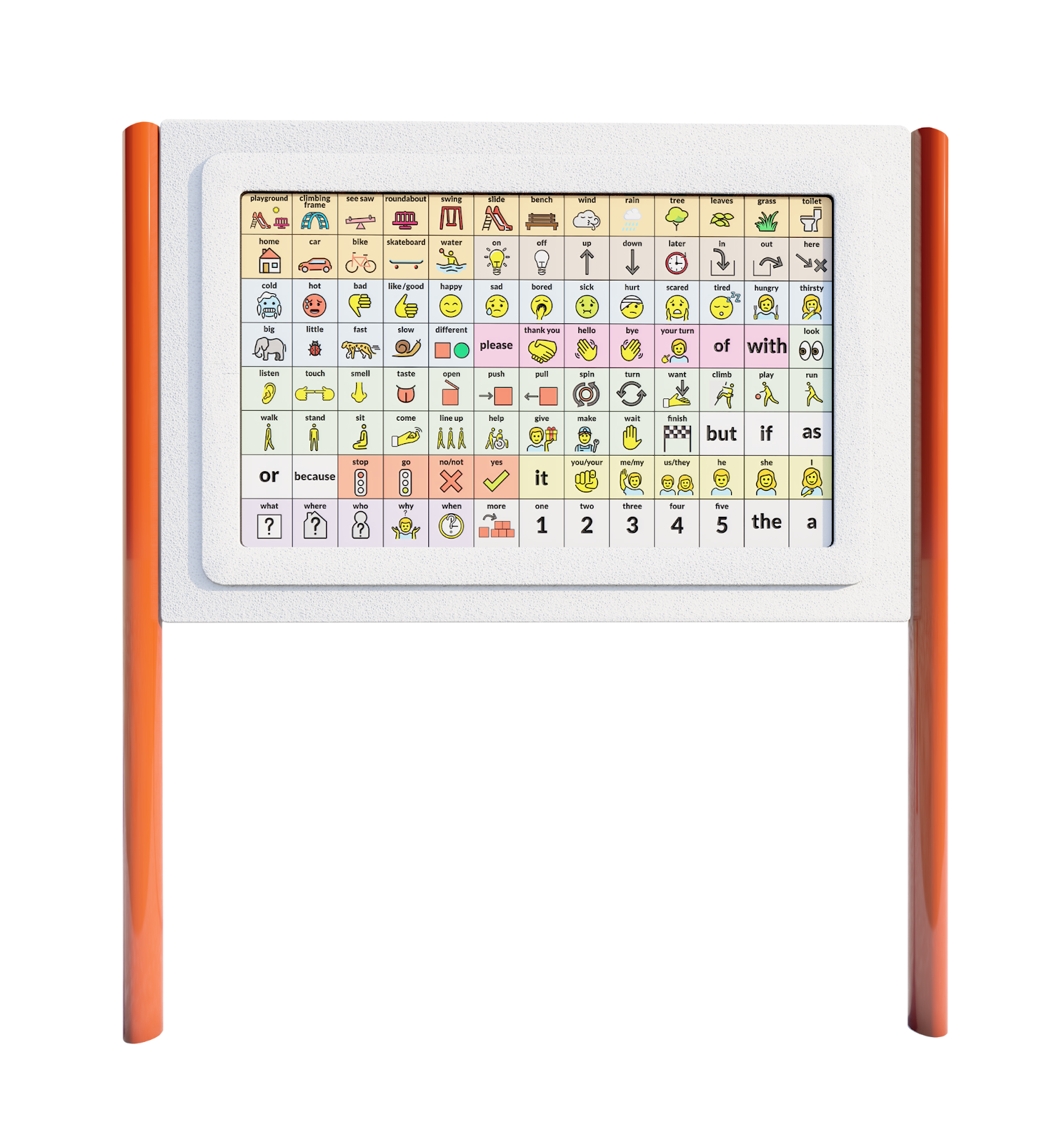
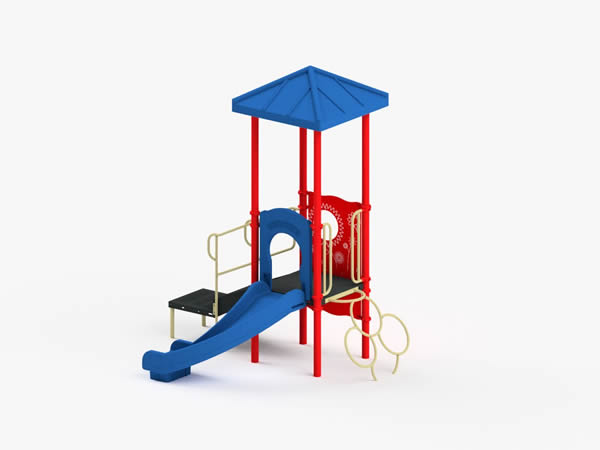
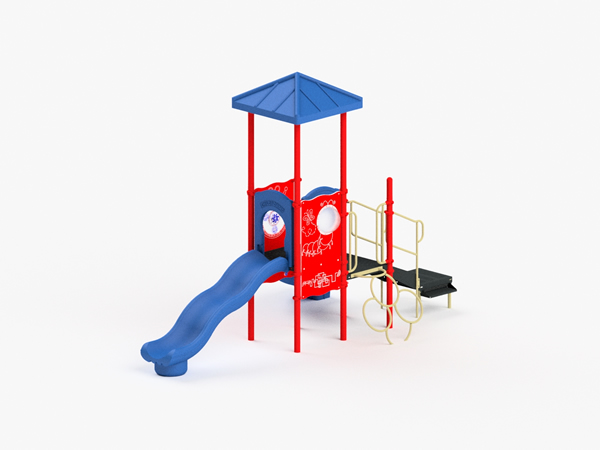
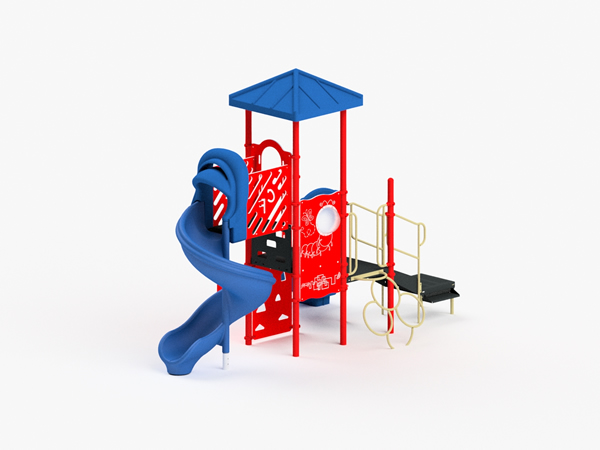
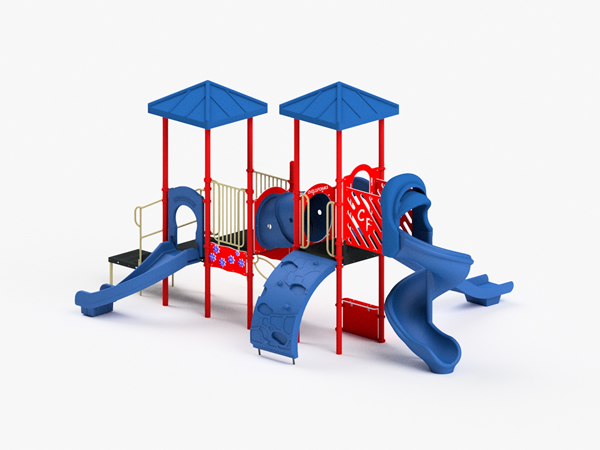
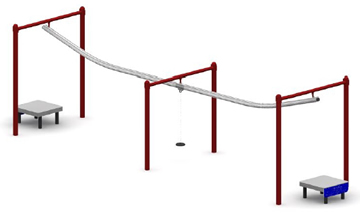
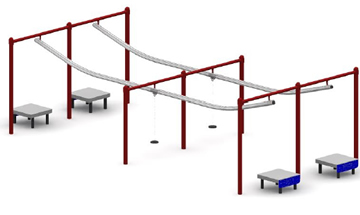
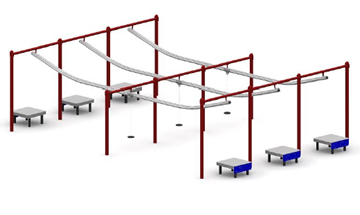
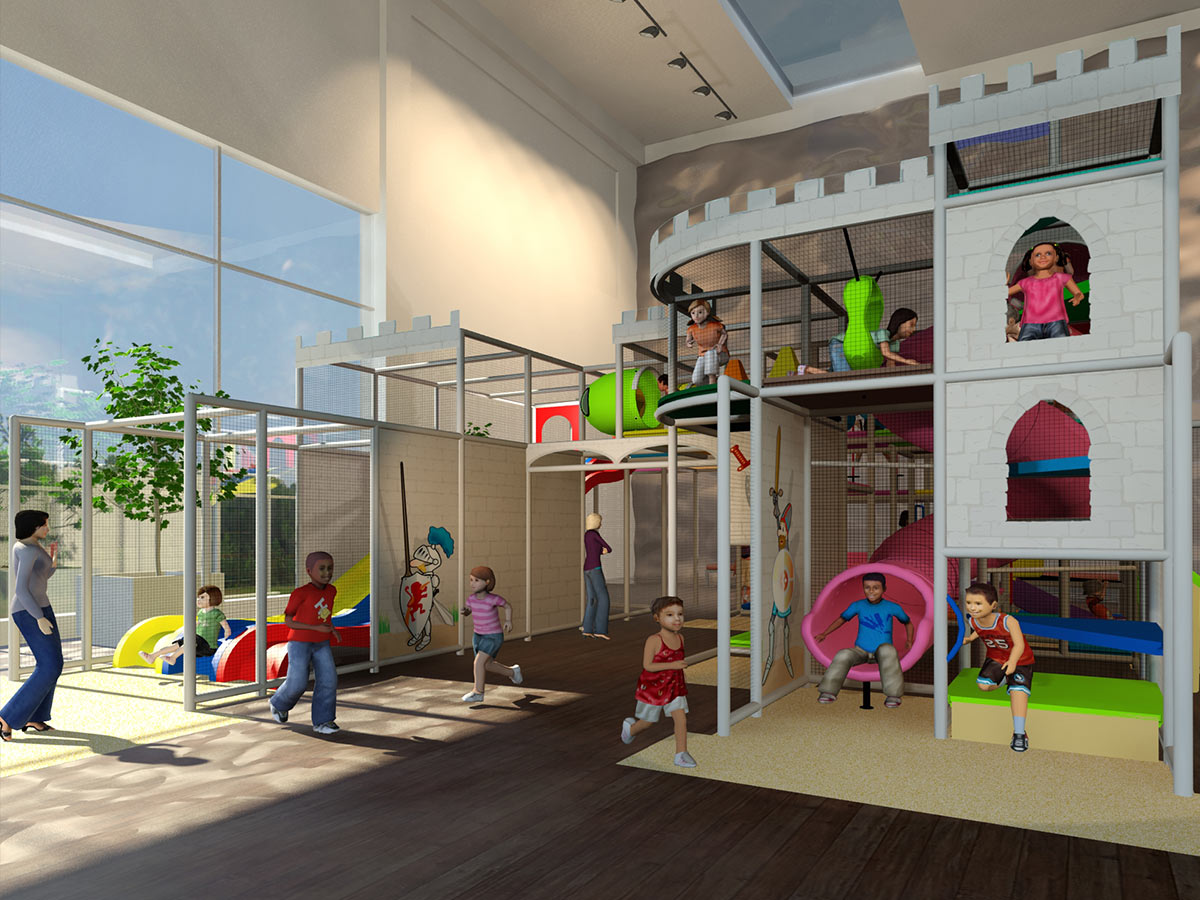
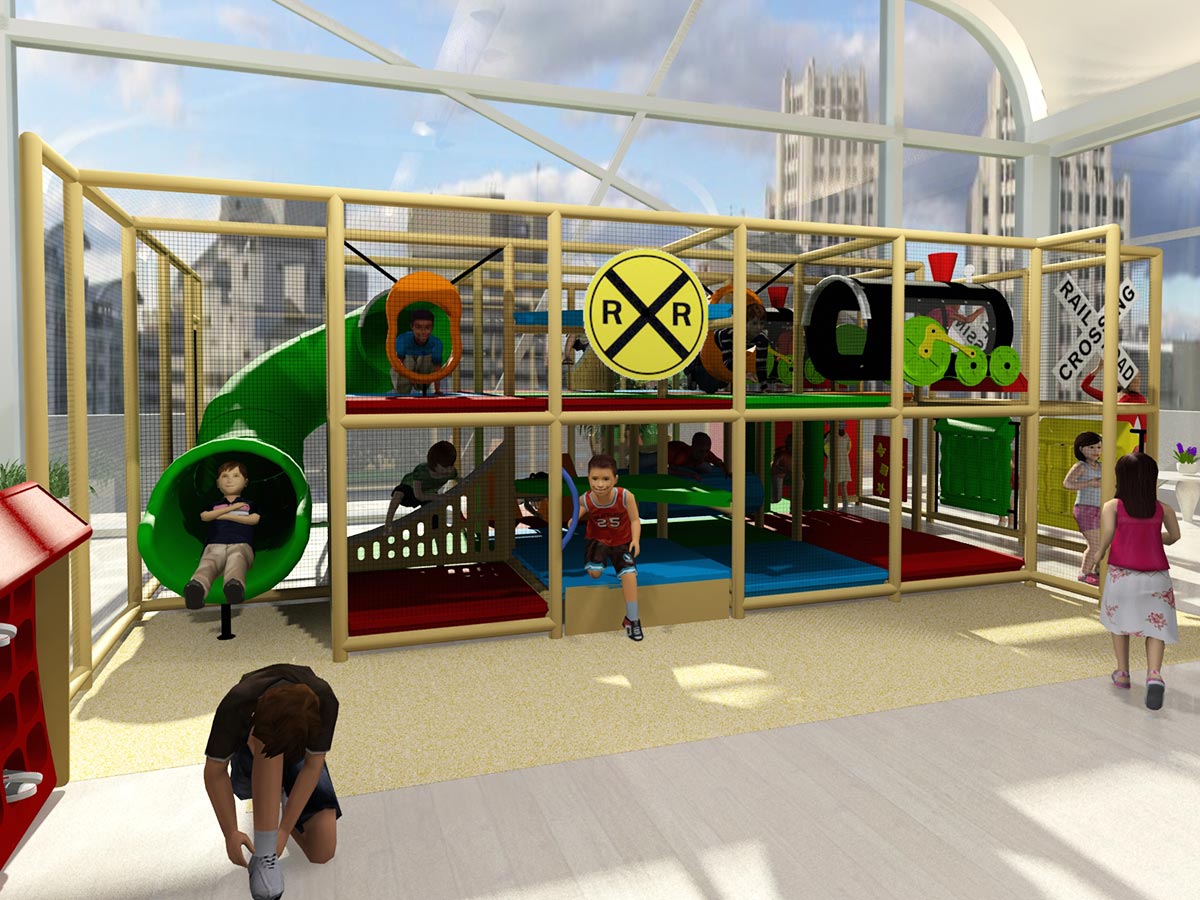
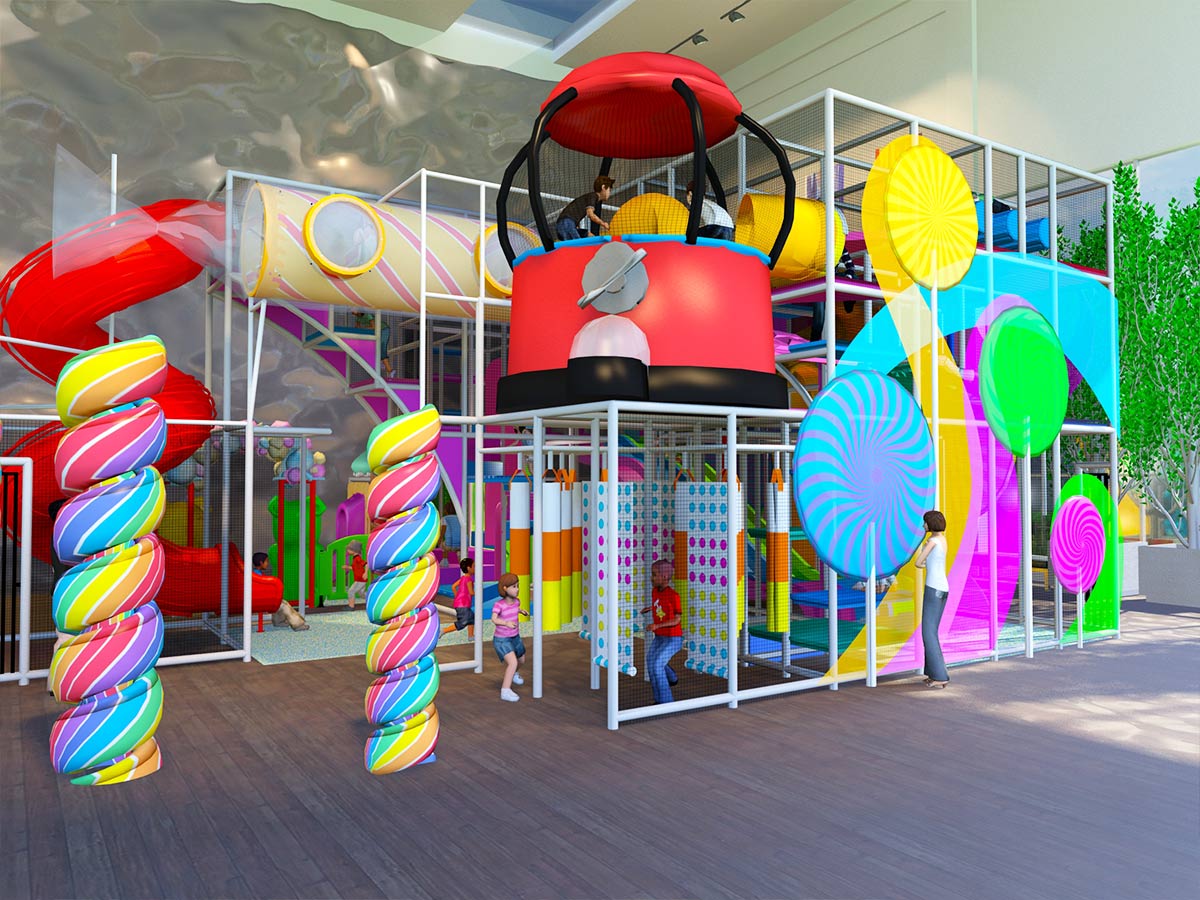
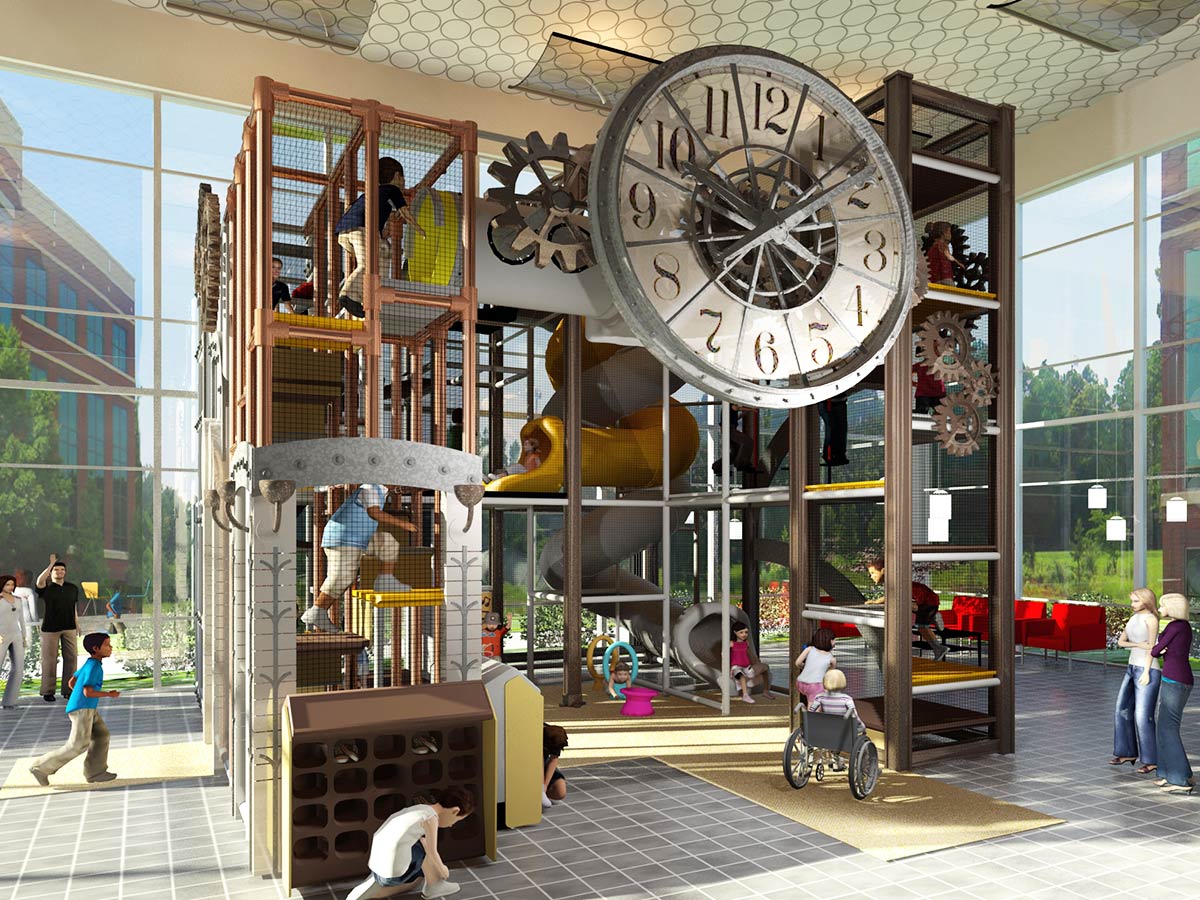
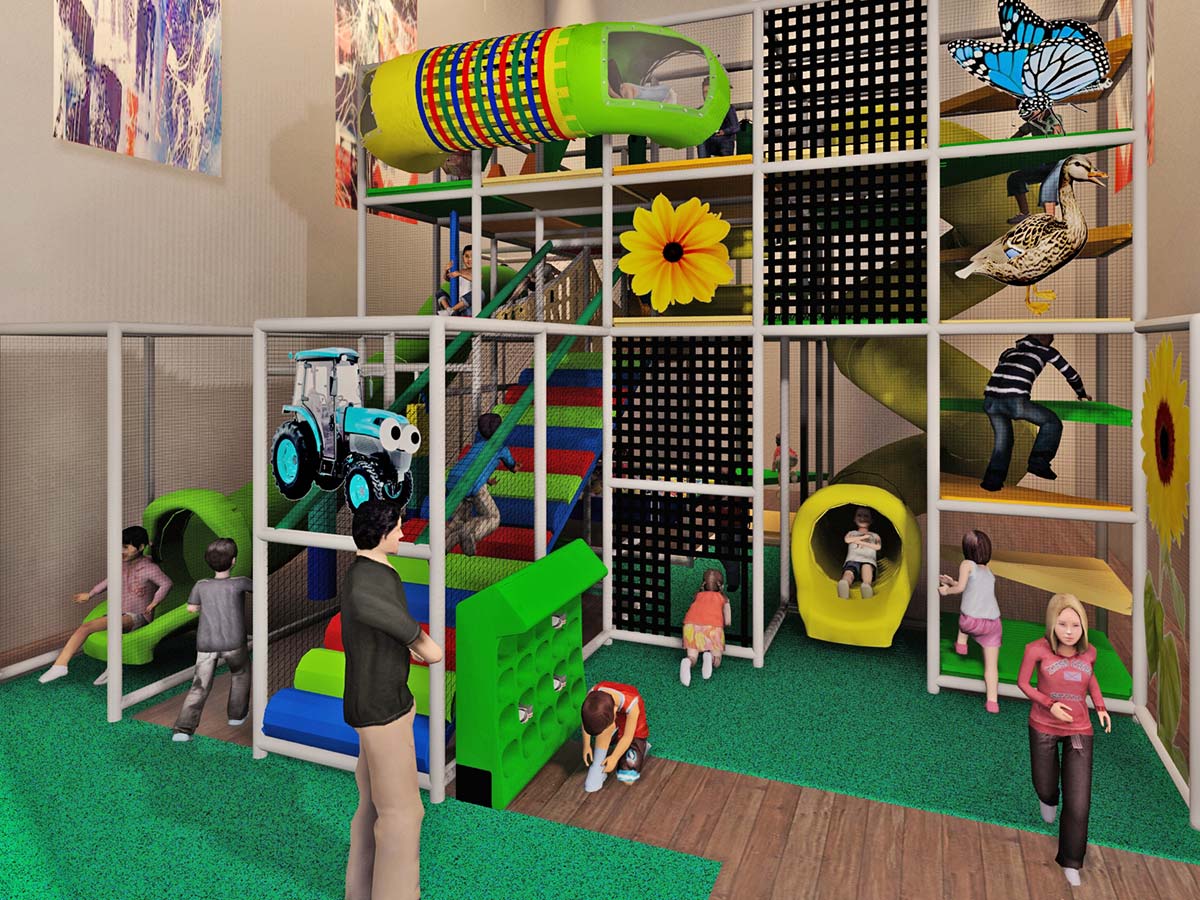
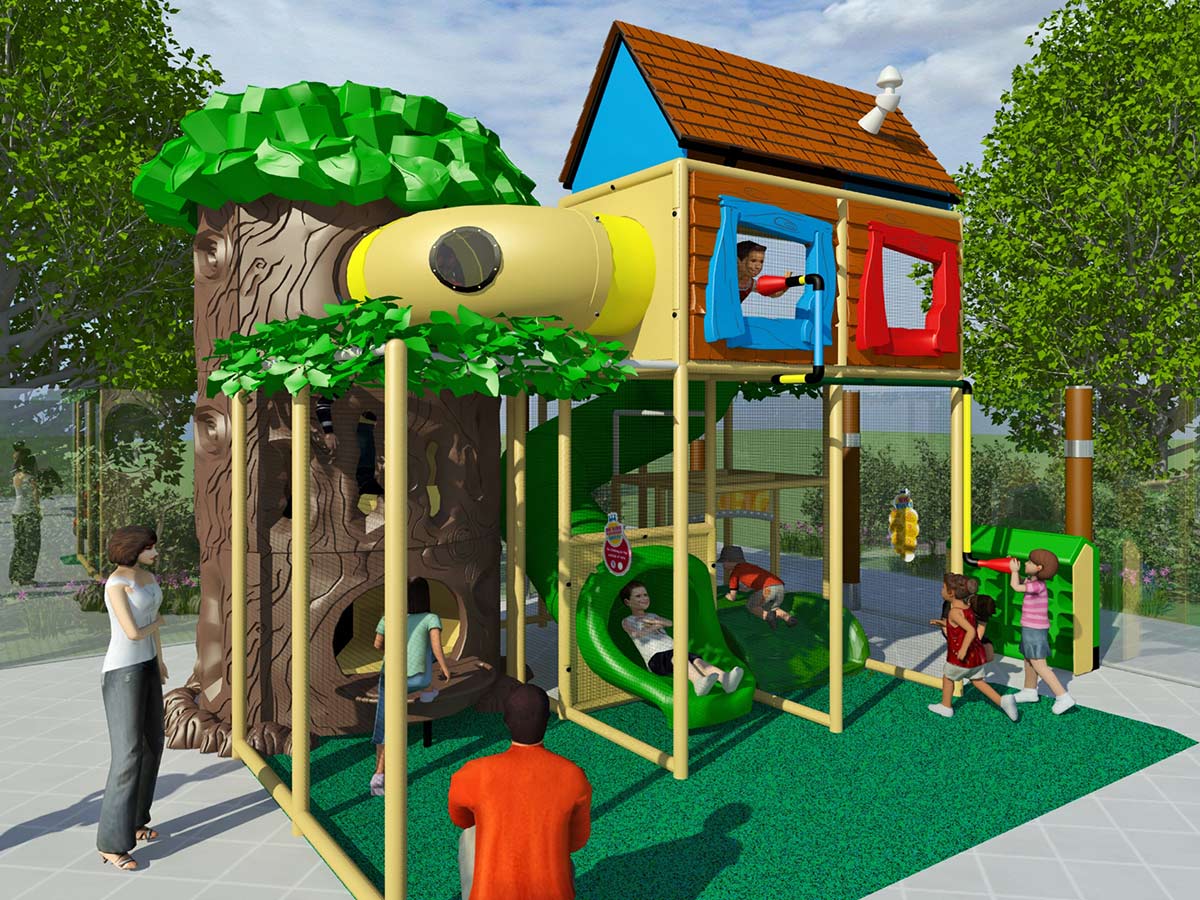

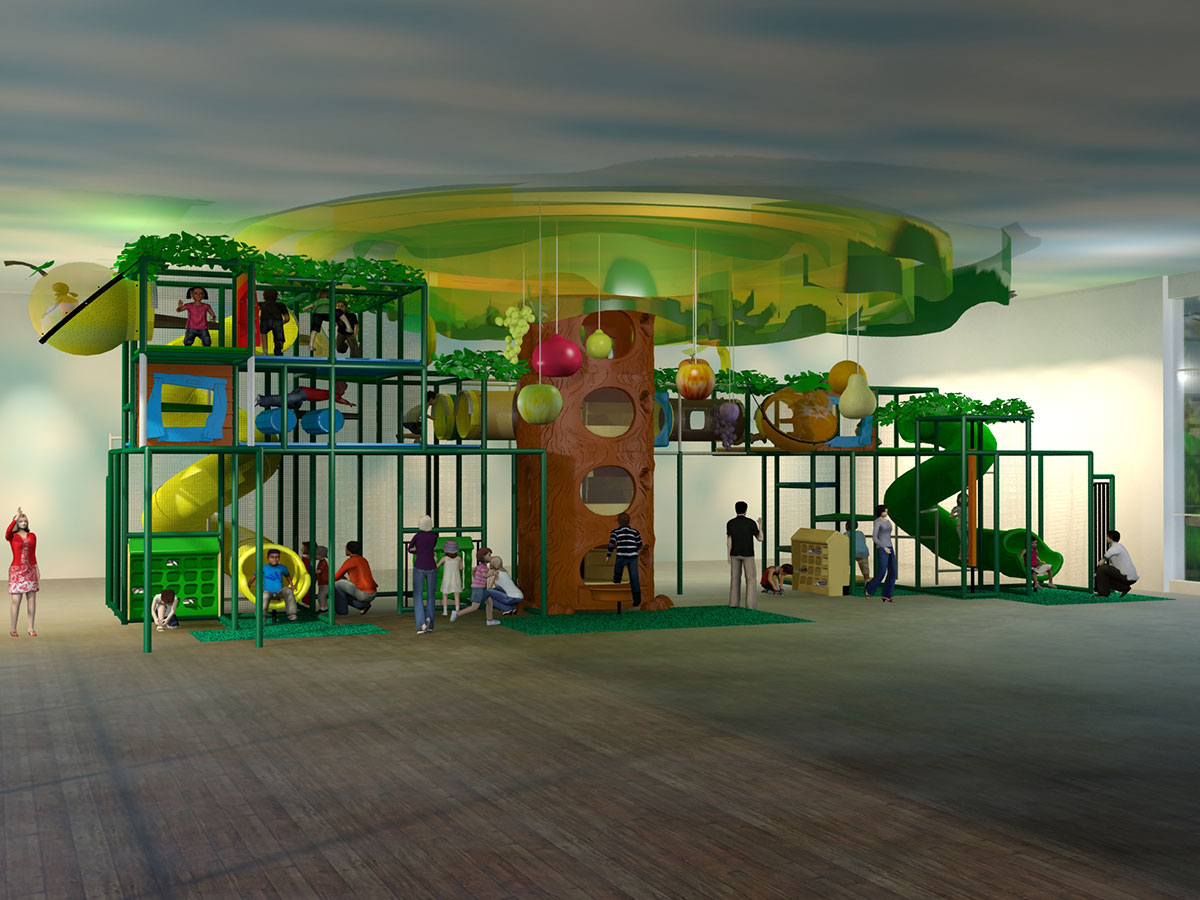 .
.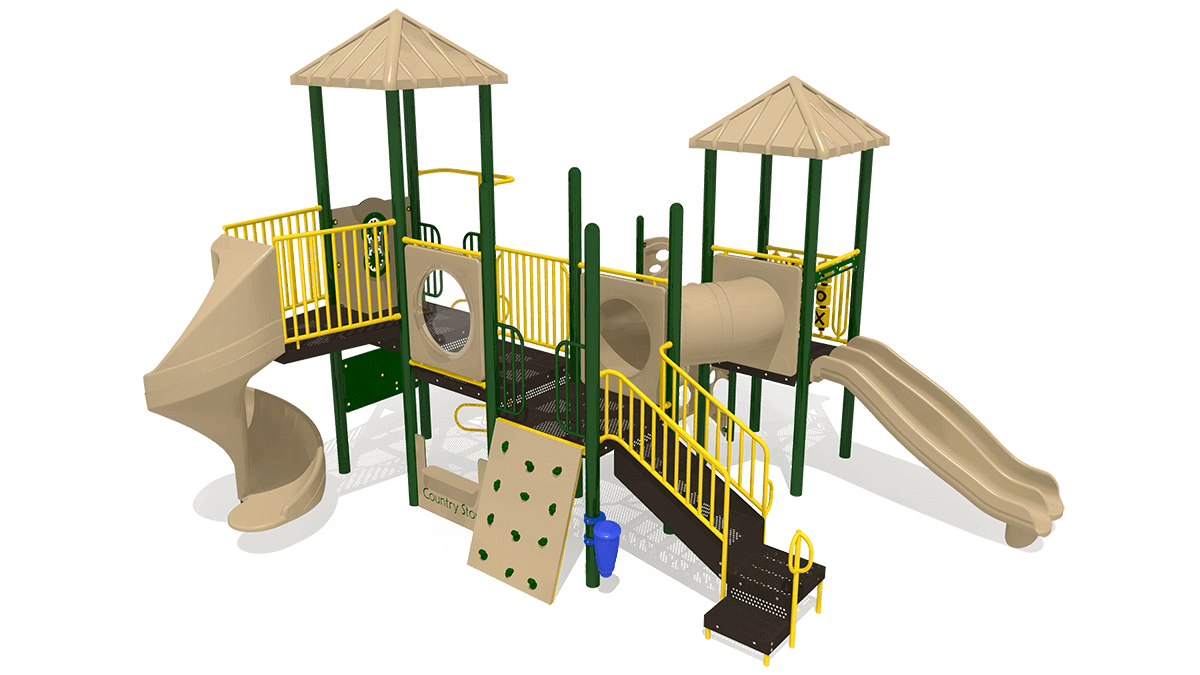
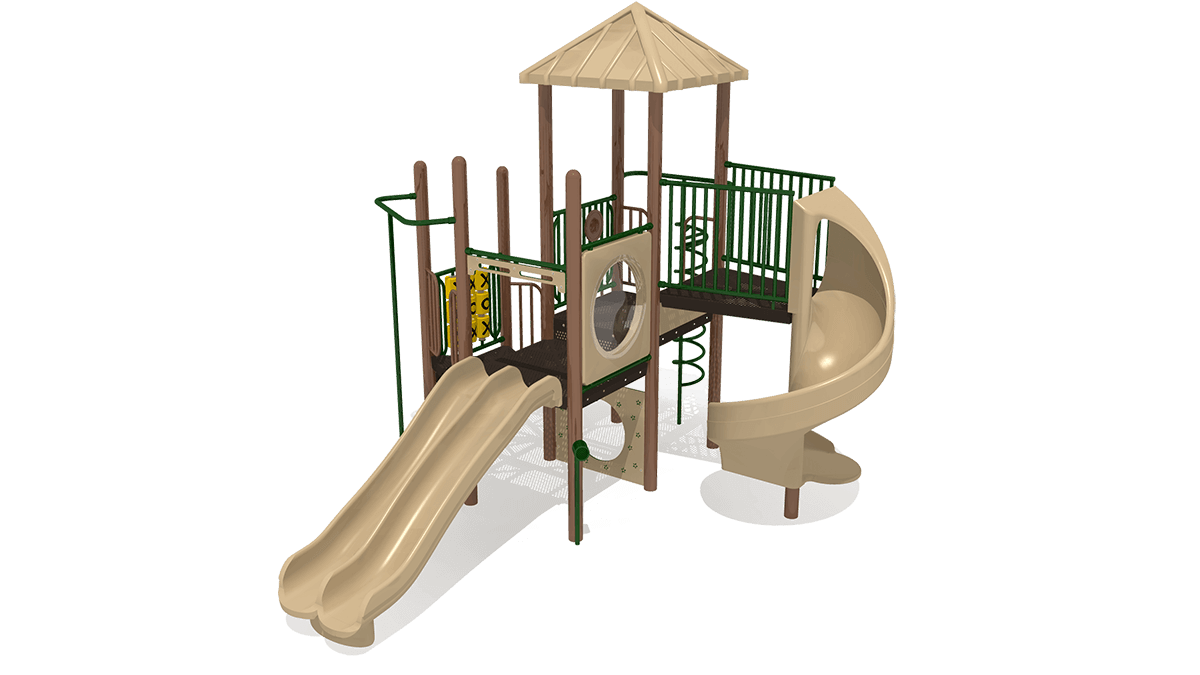
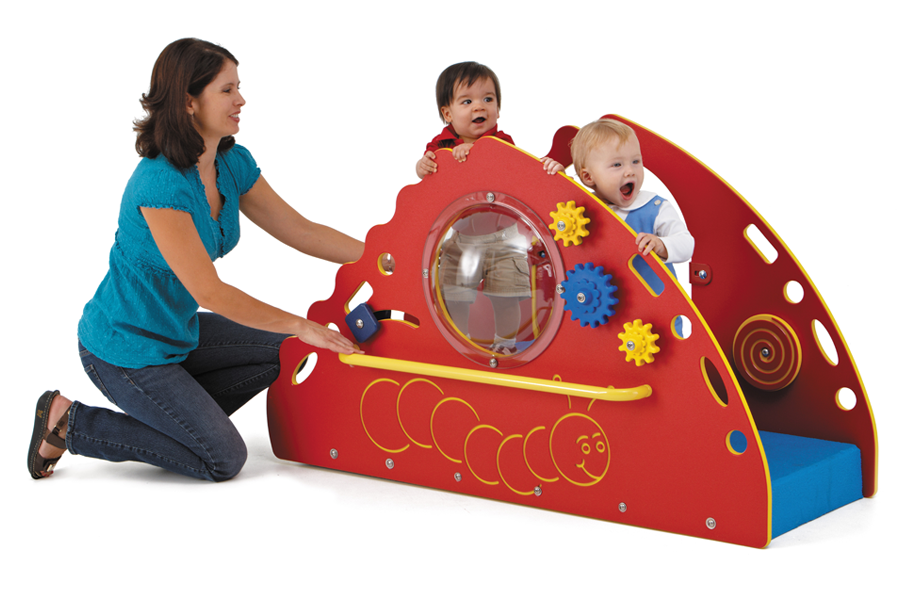
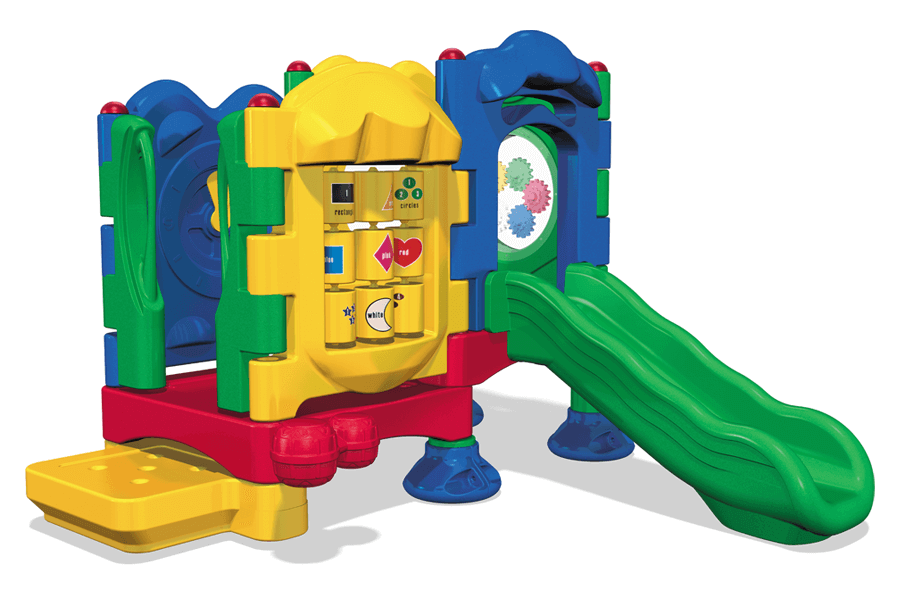
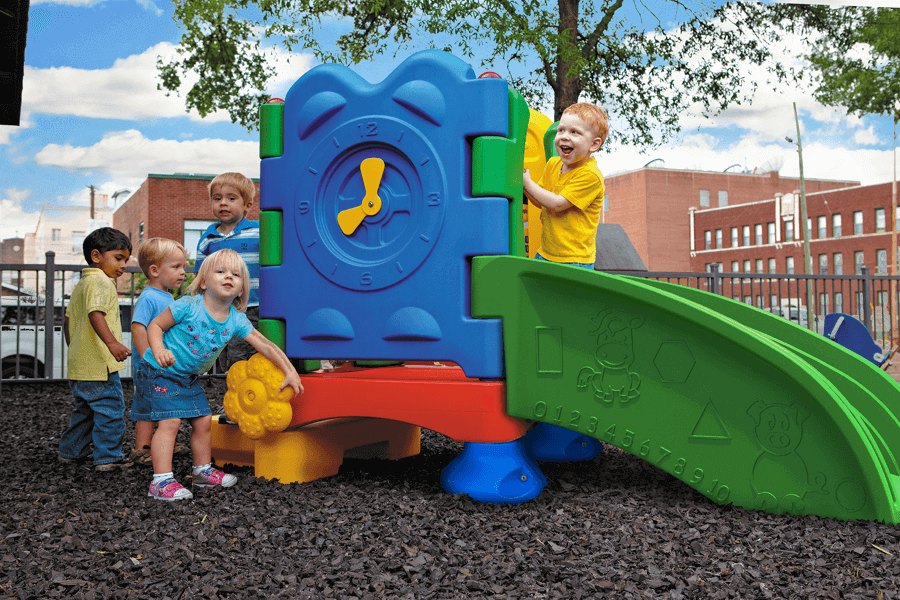
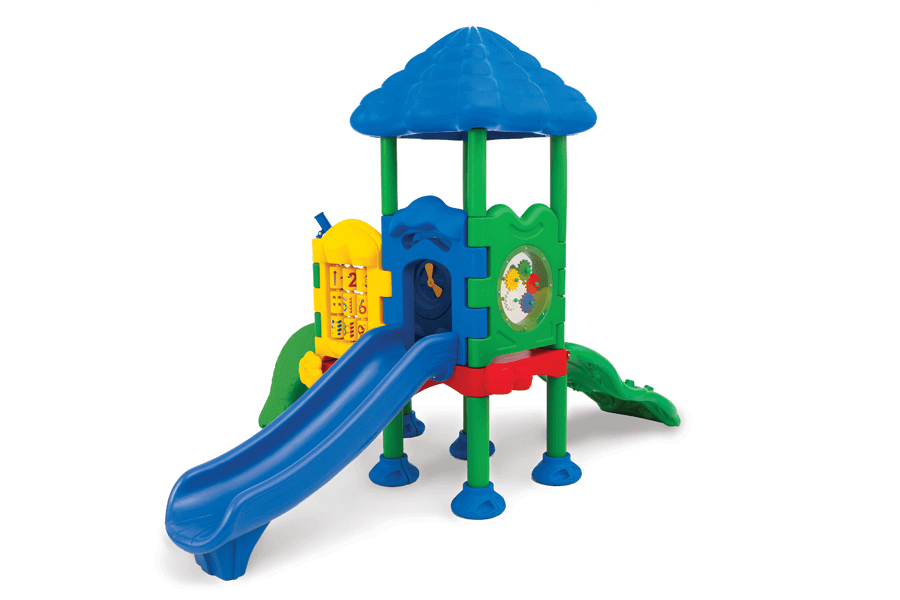
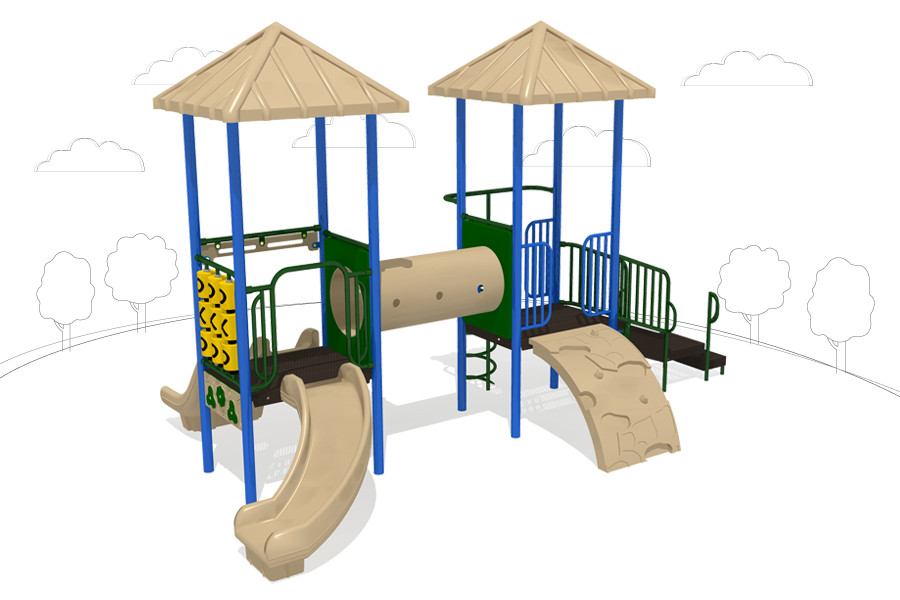
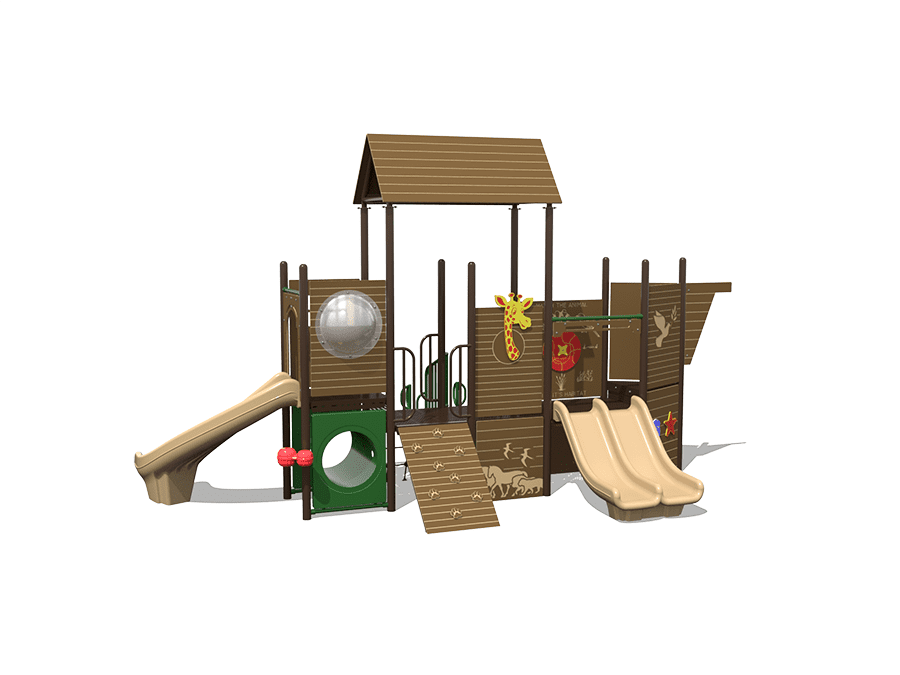
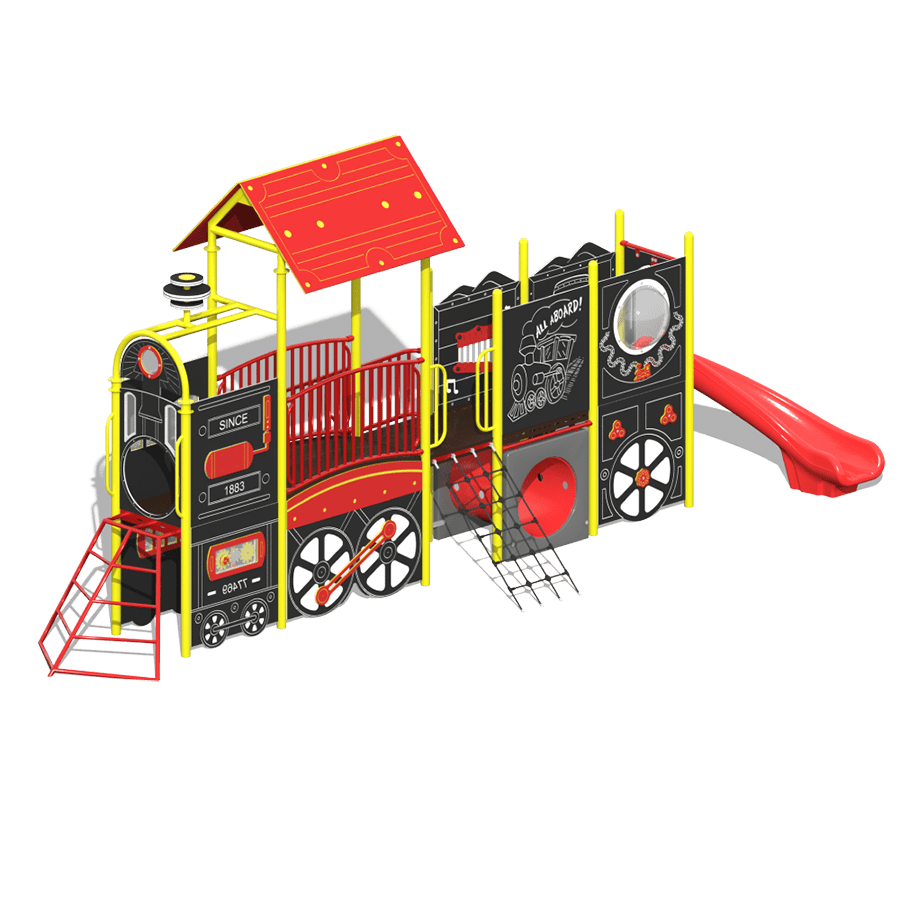
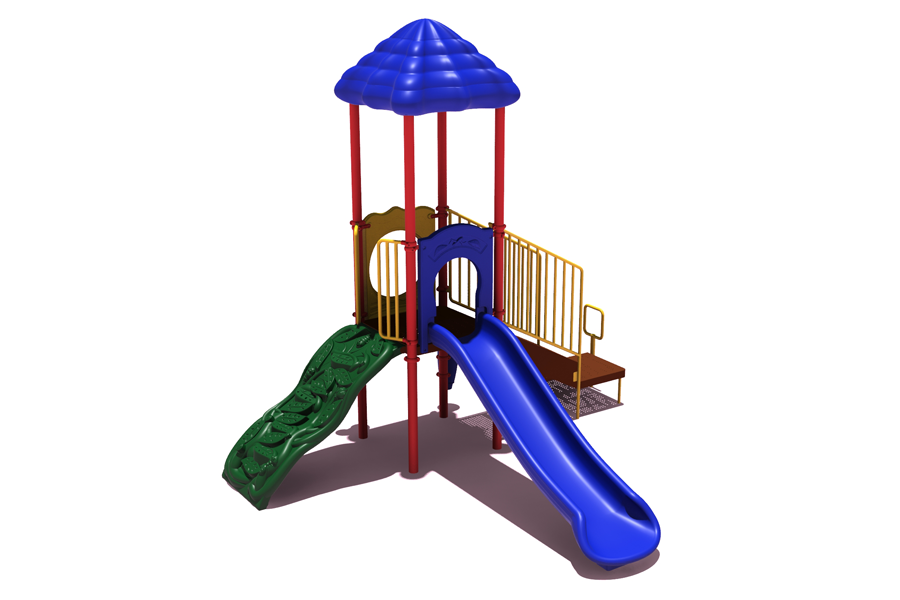

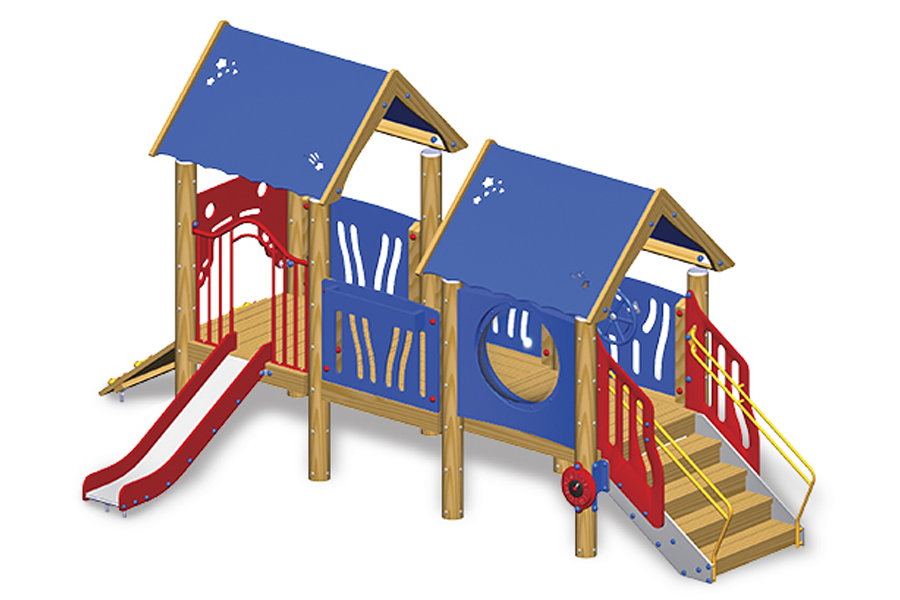
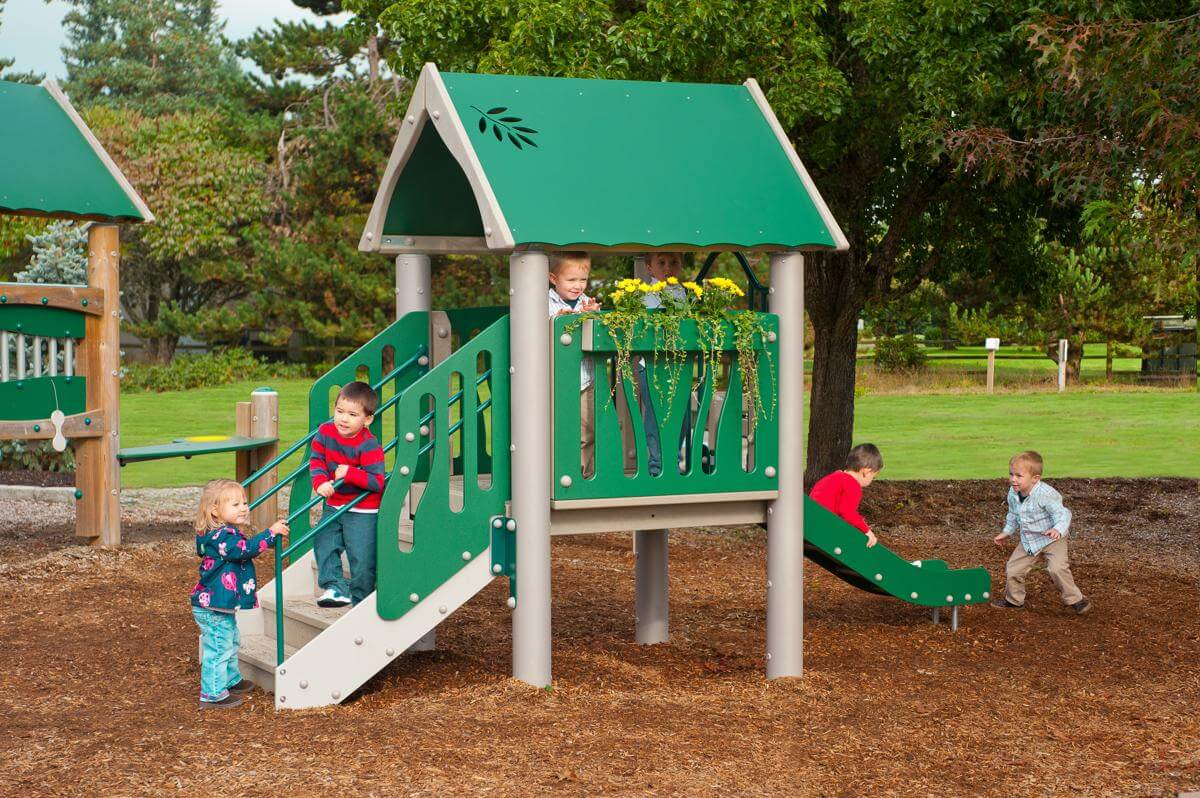
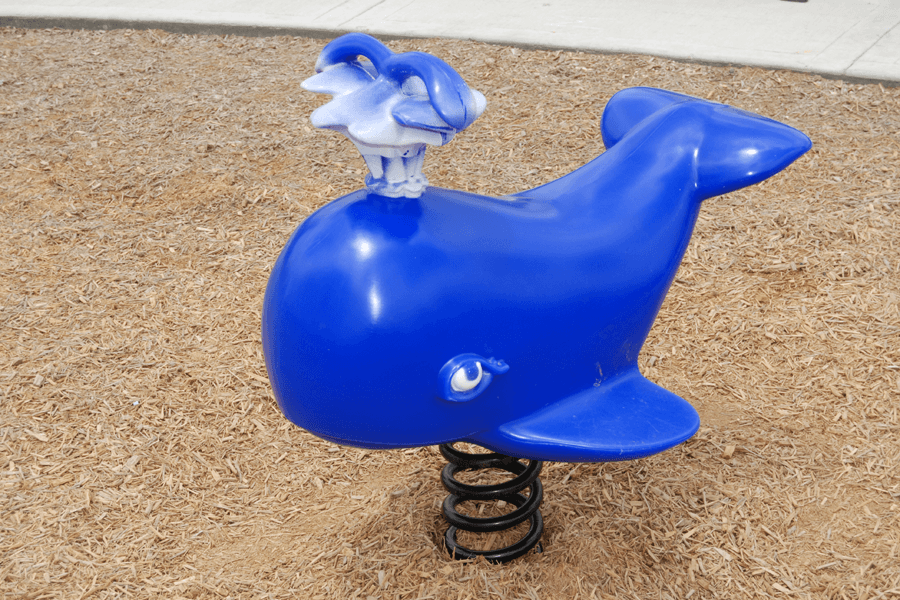
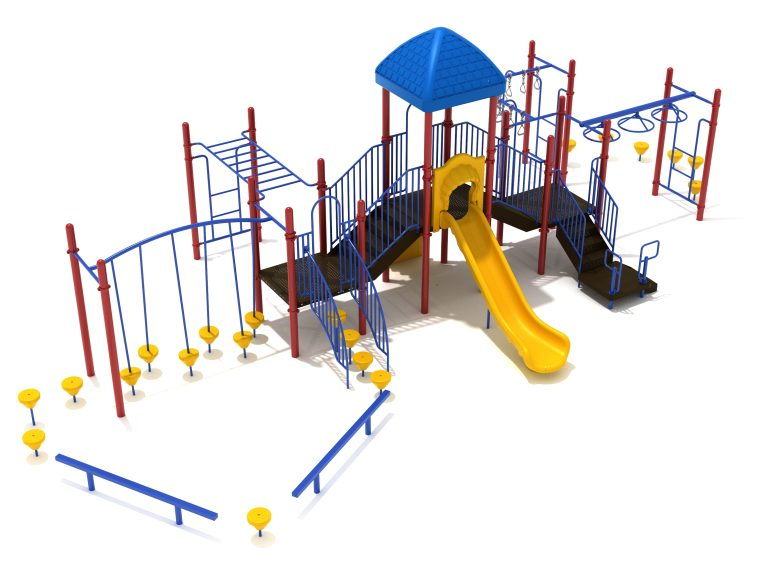

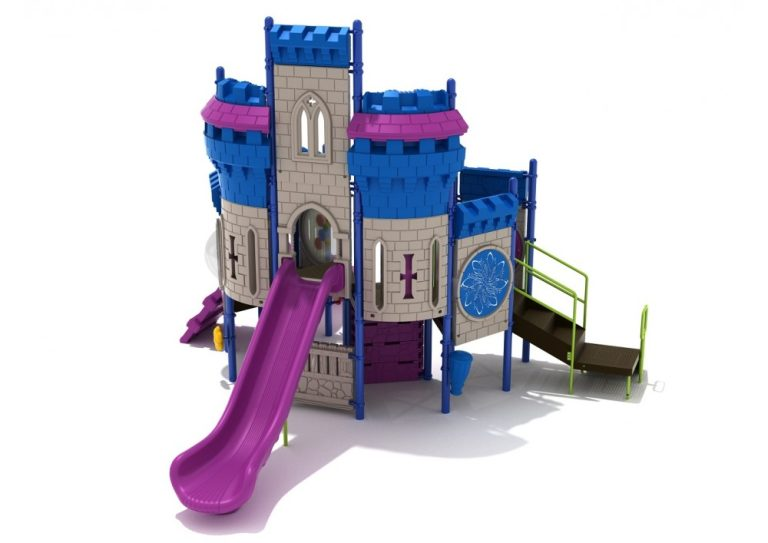
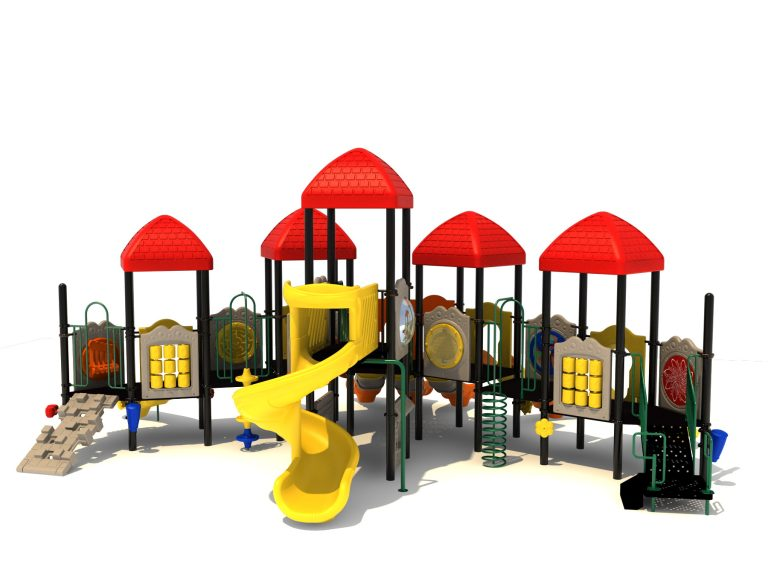
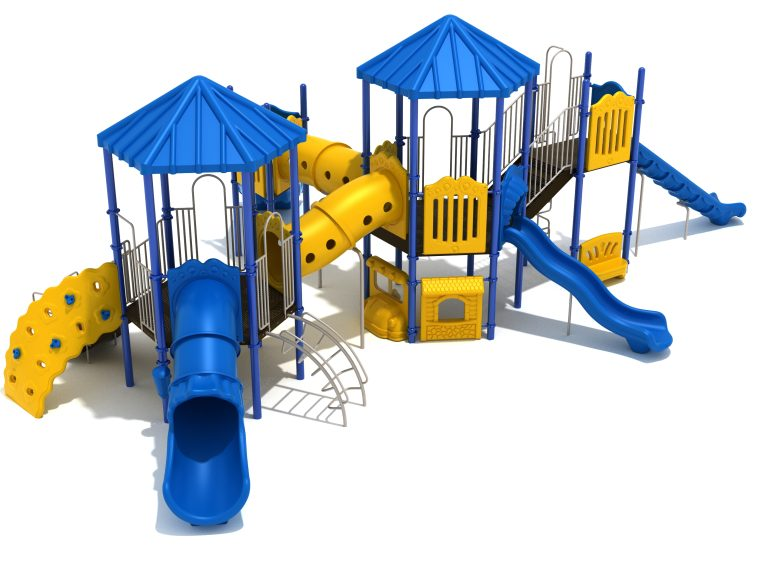
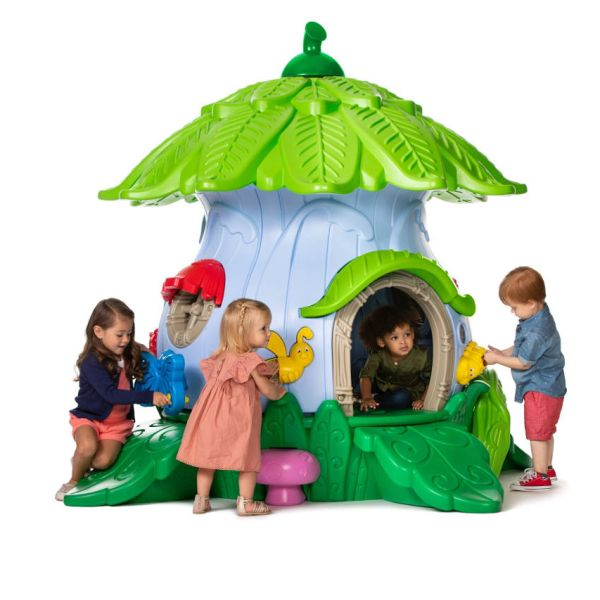
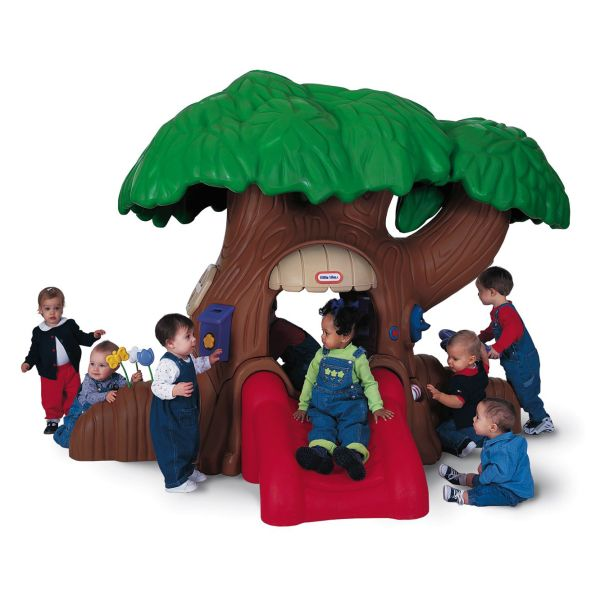
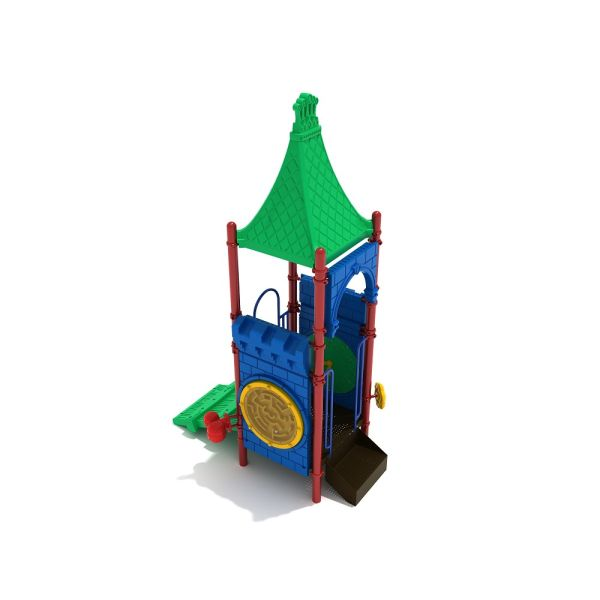
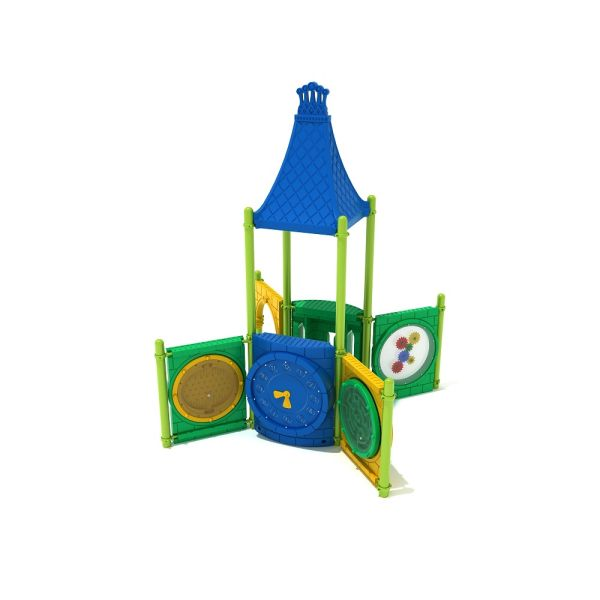
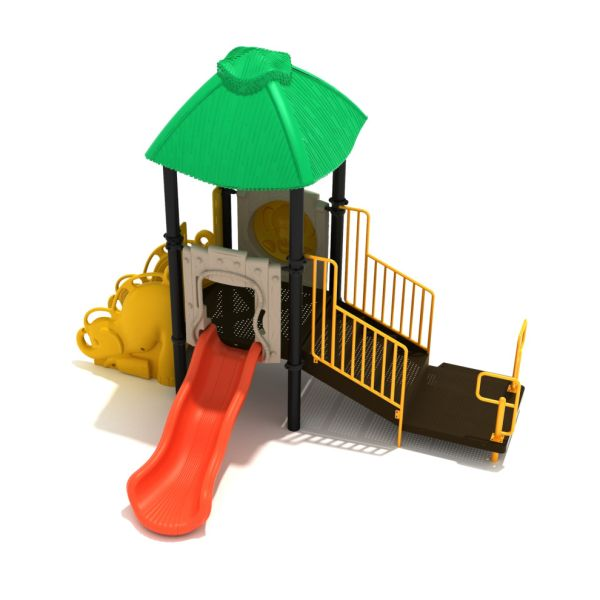
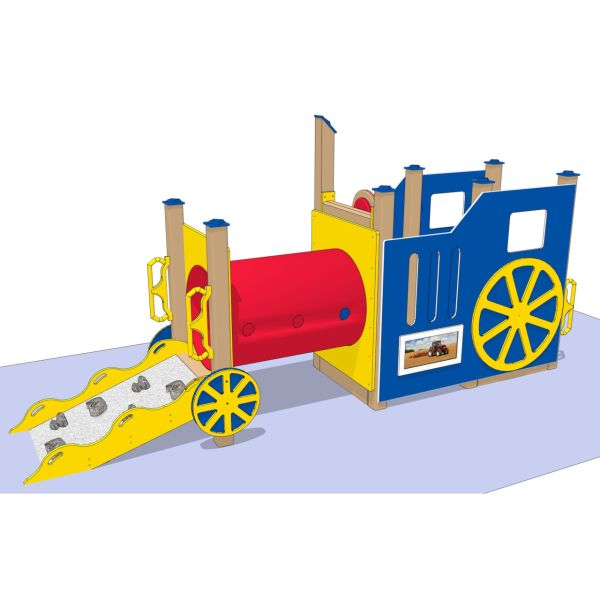
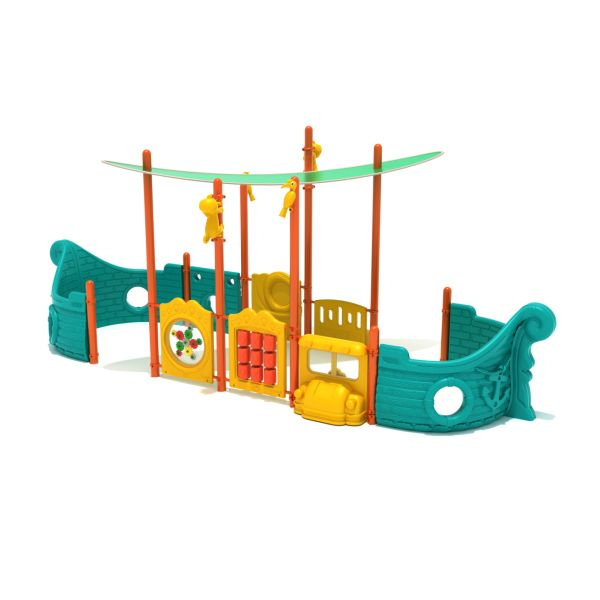
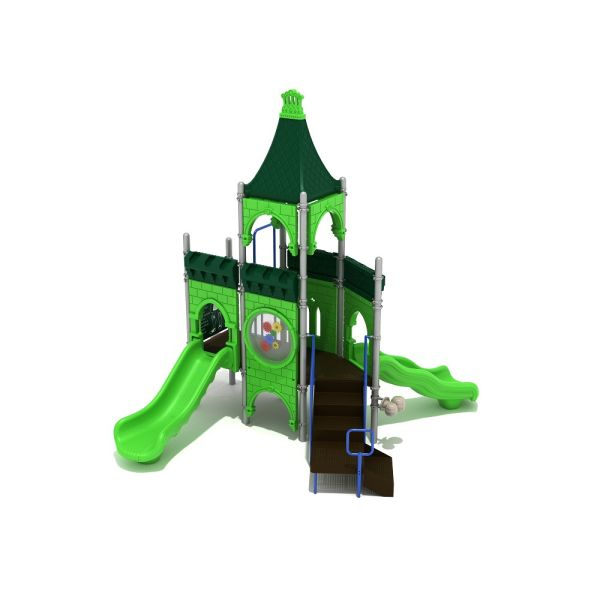
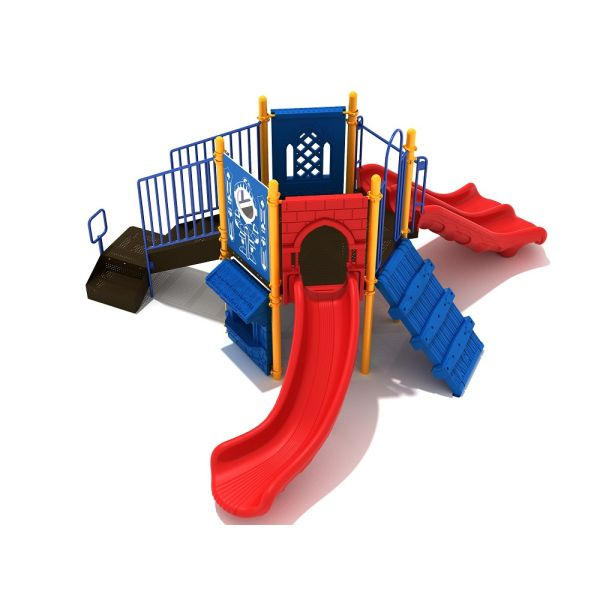
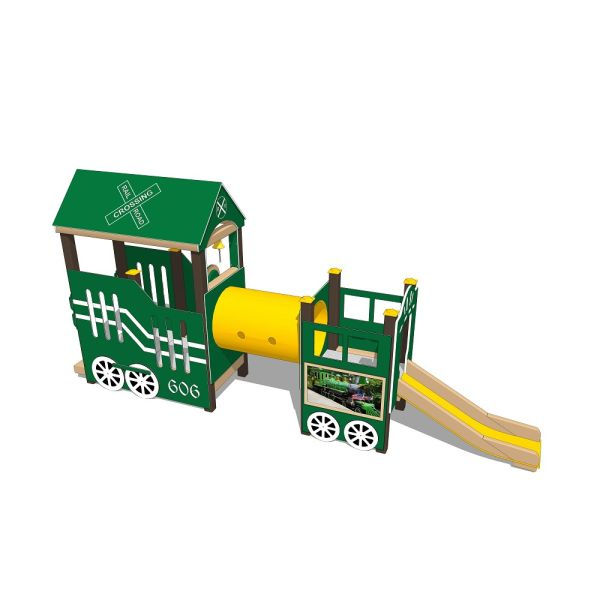
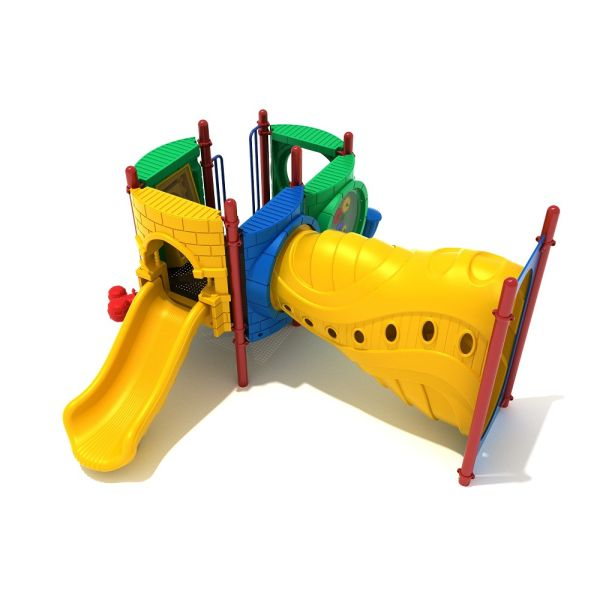
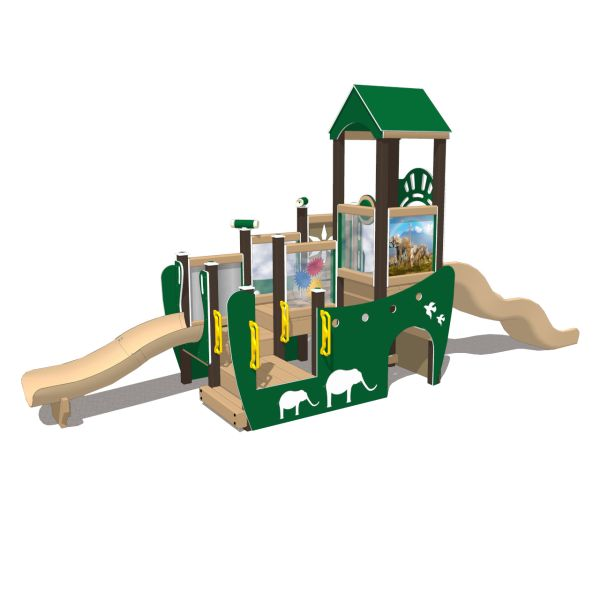
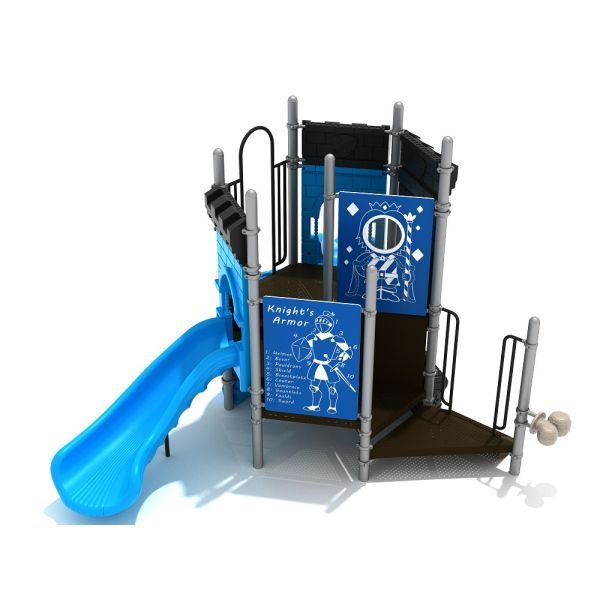
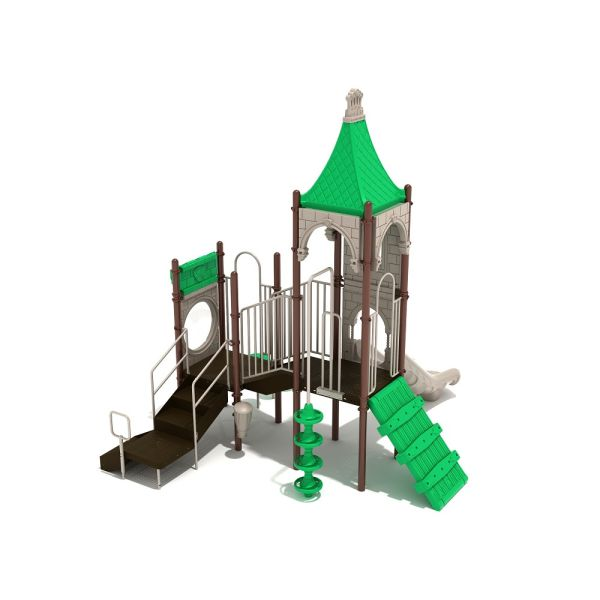
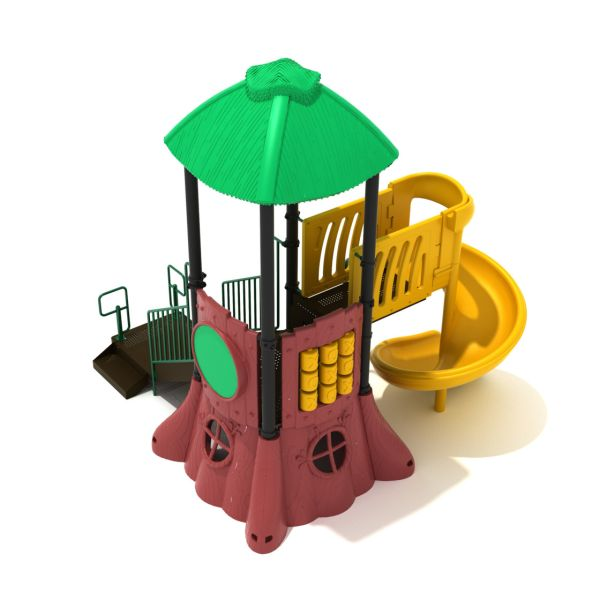
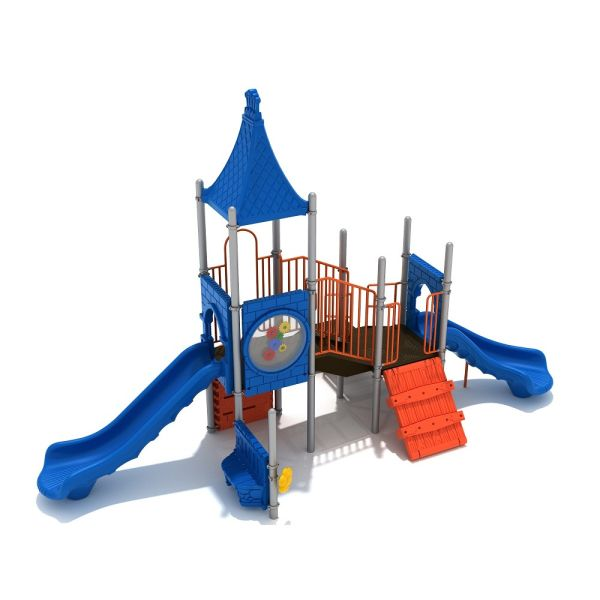
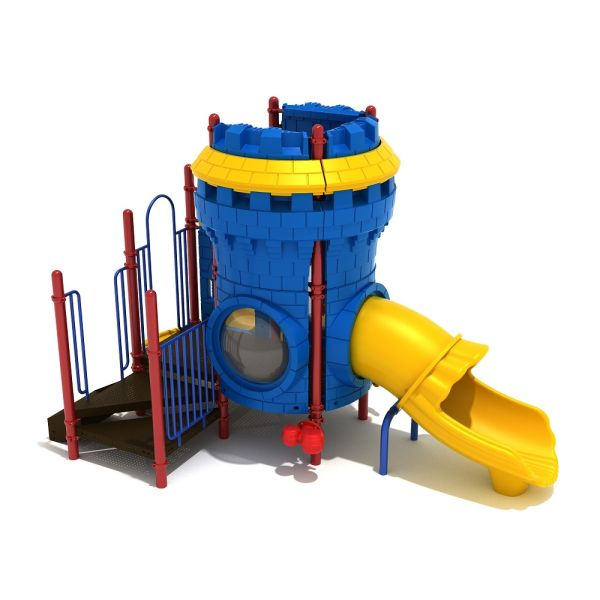
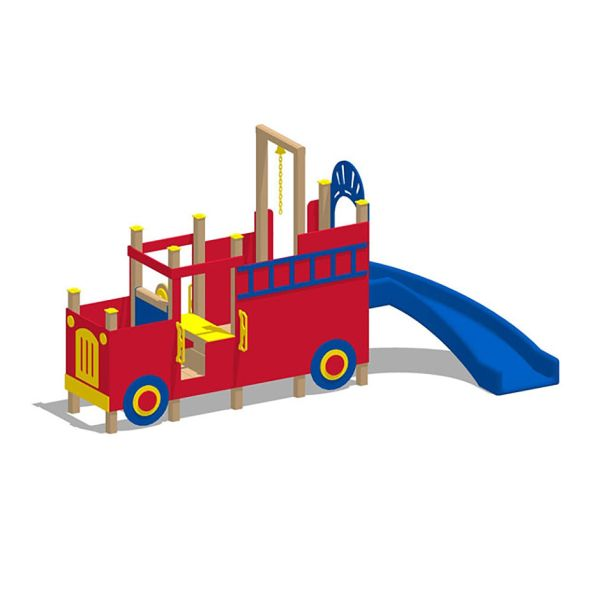
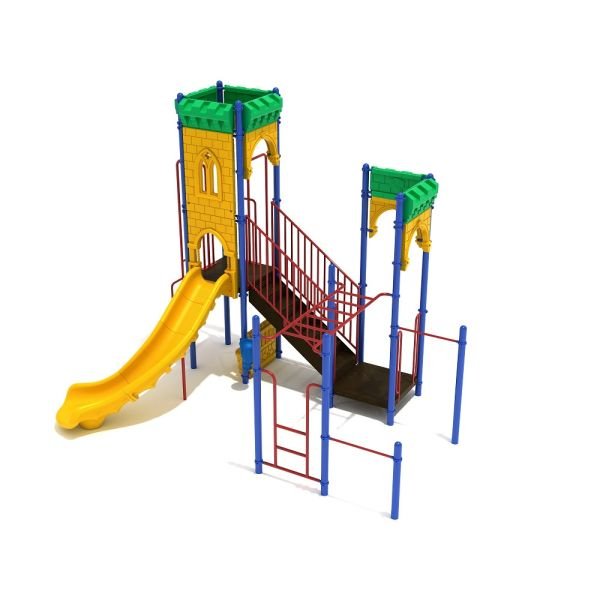
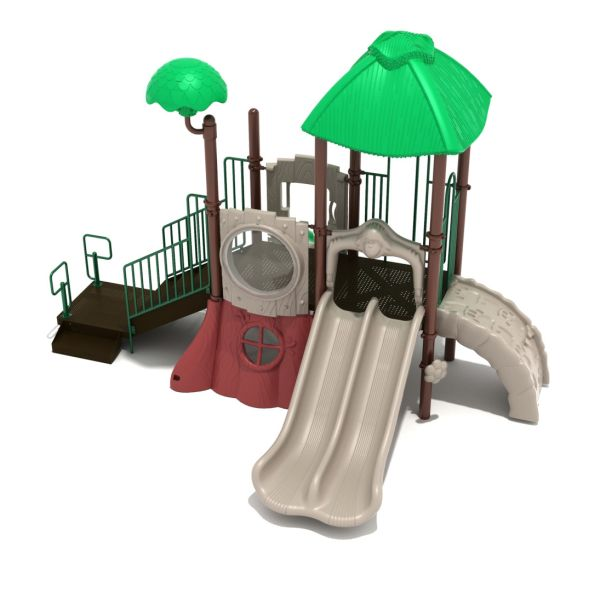
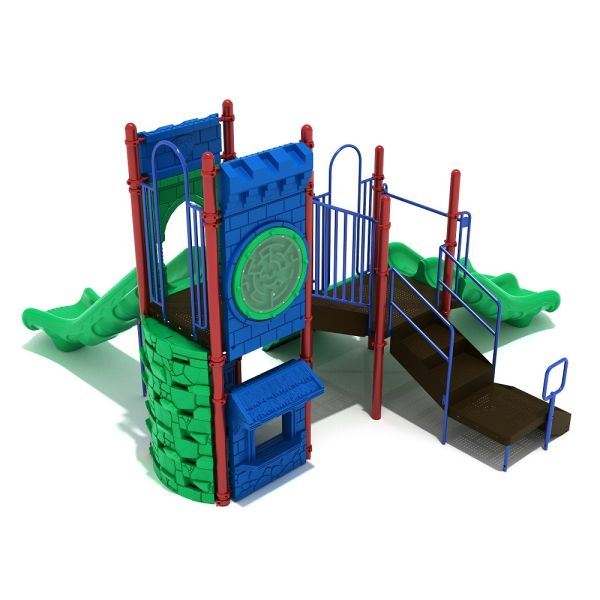
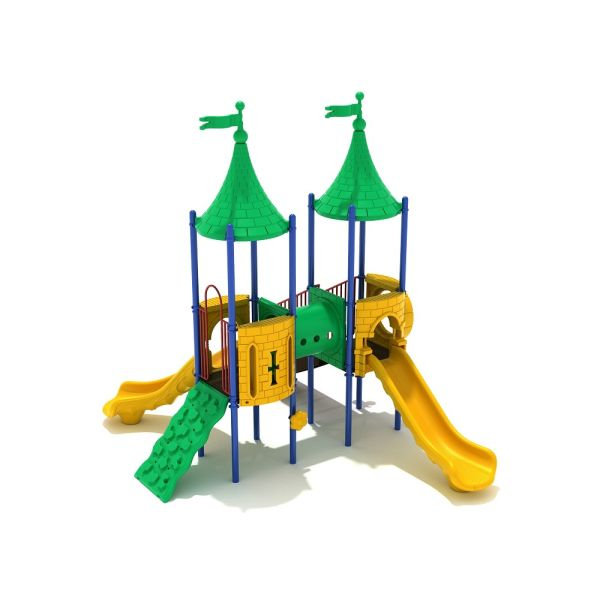
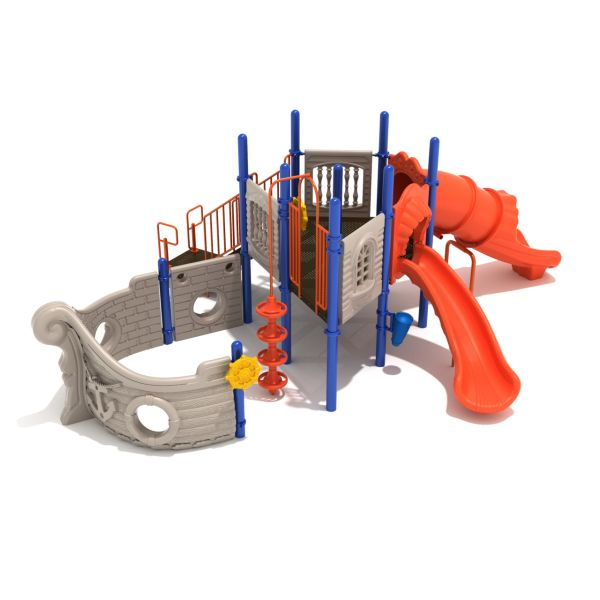
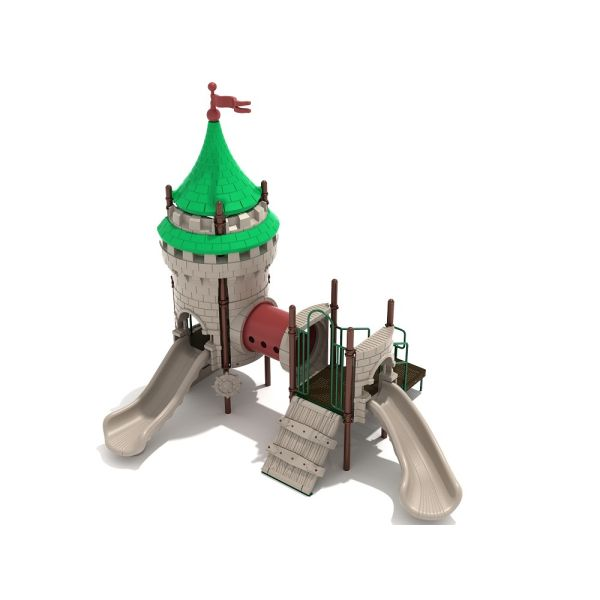
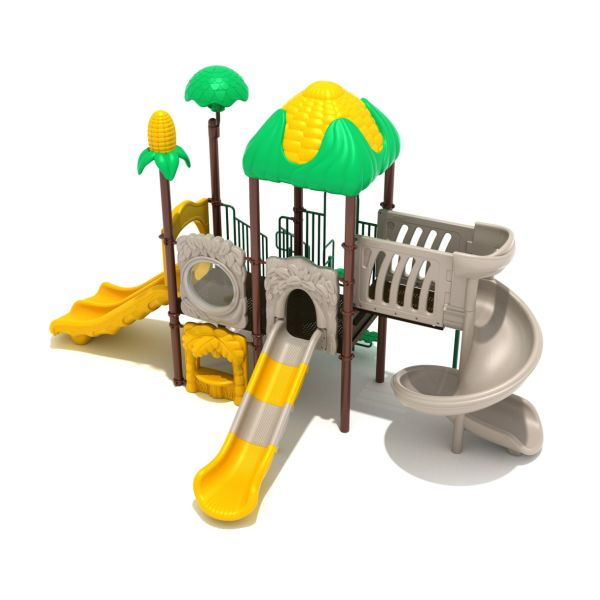
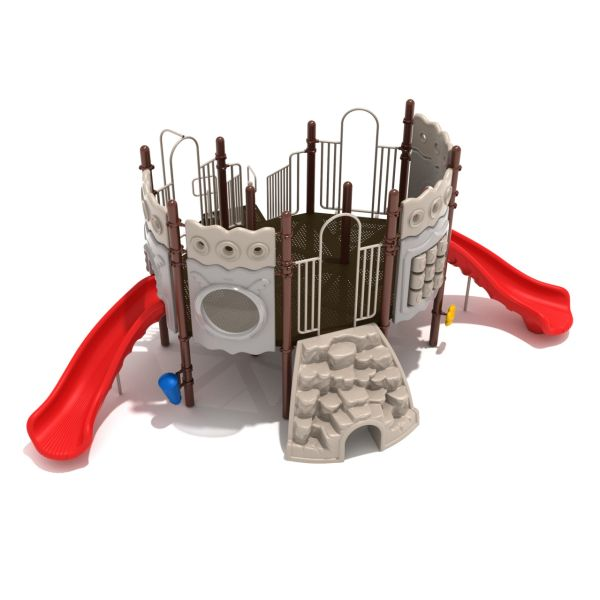
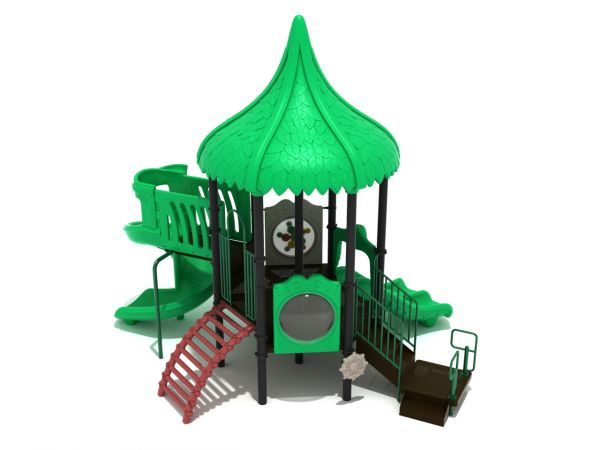
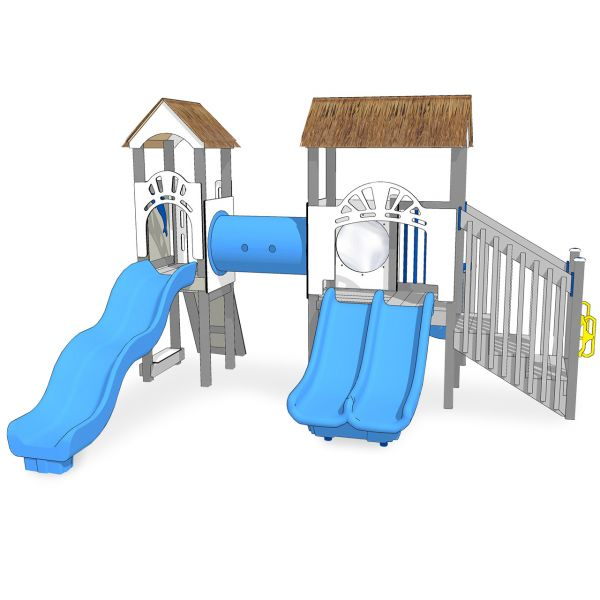
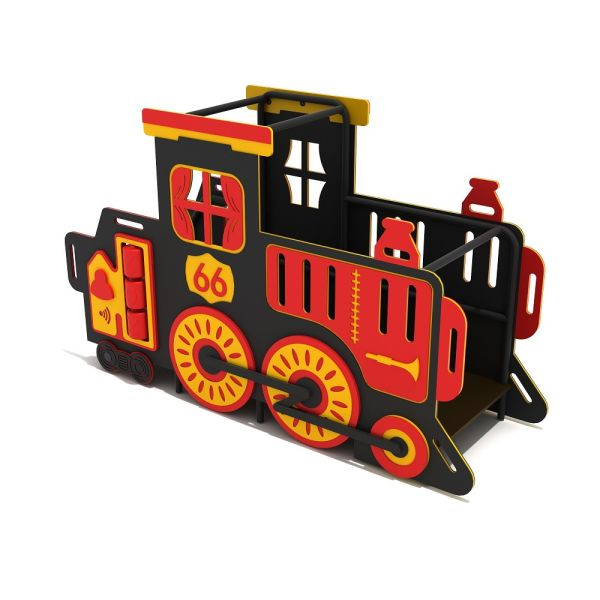
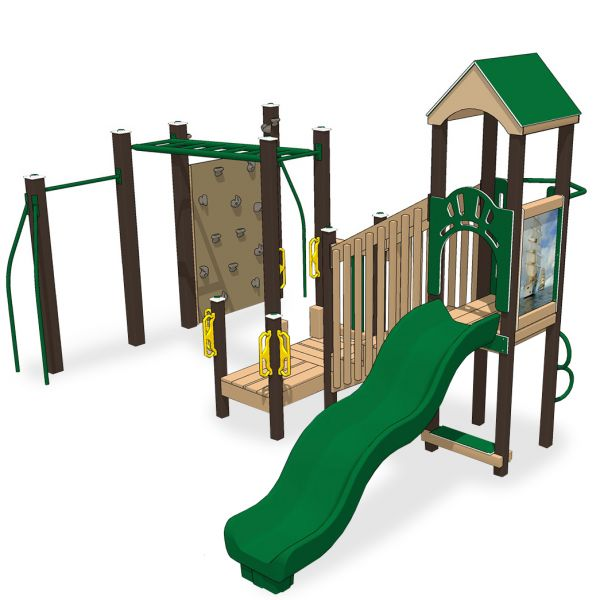
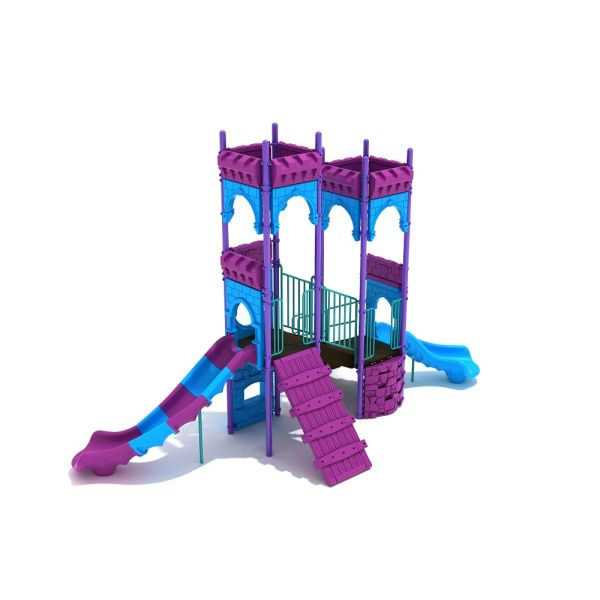
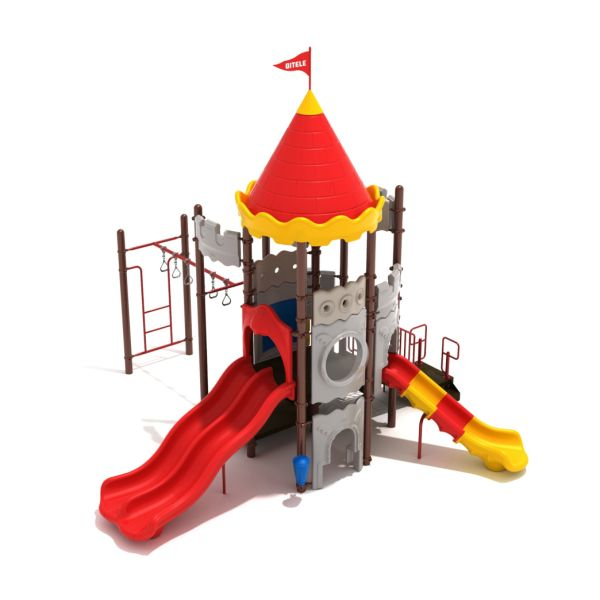
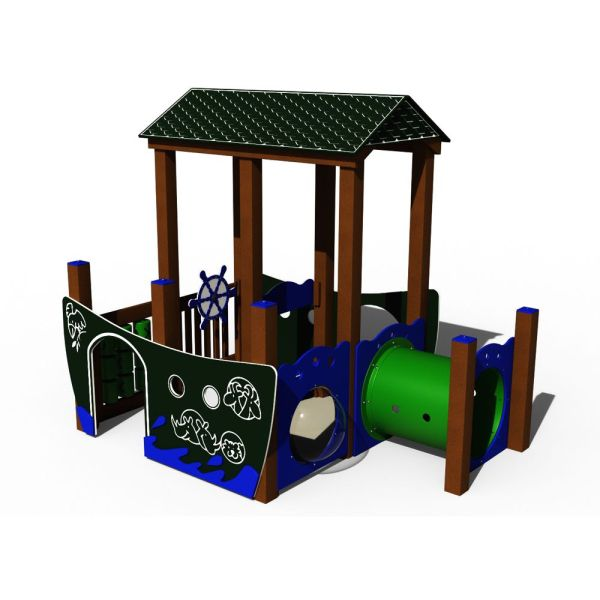
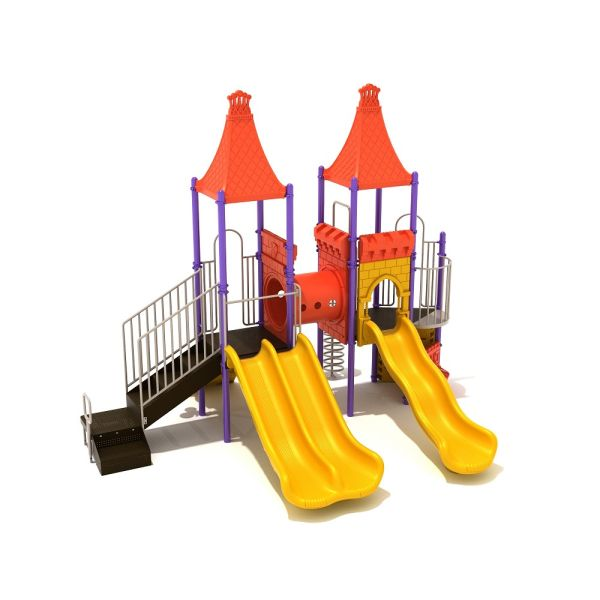
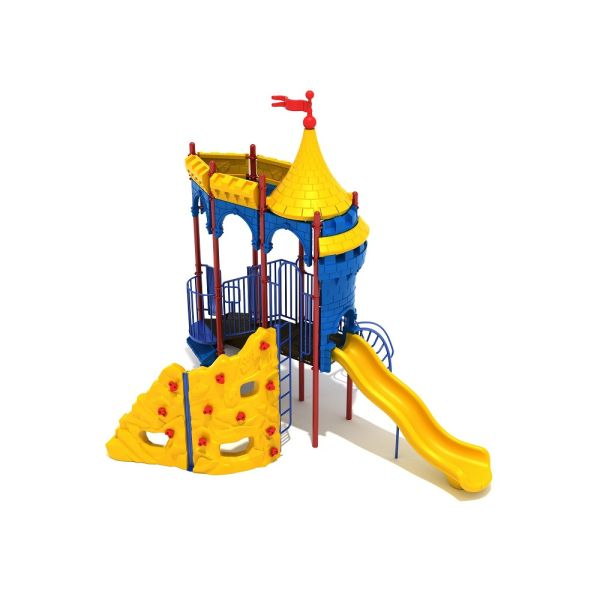
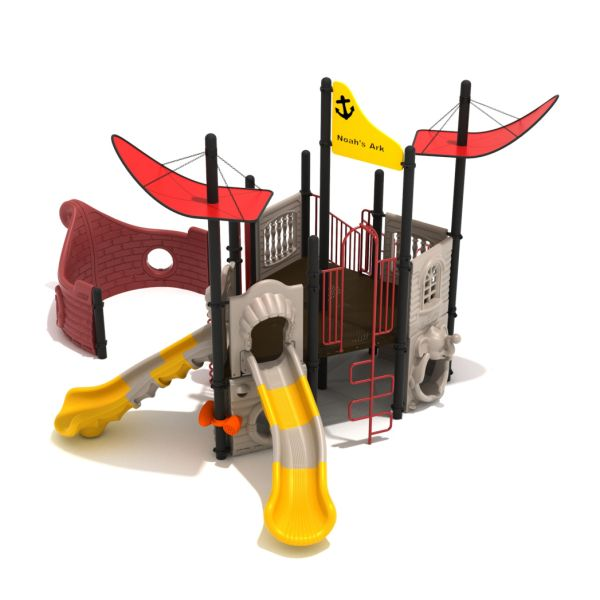
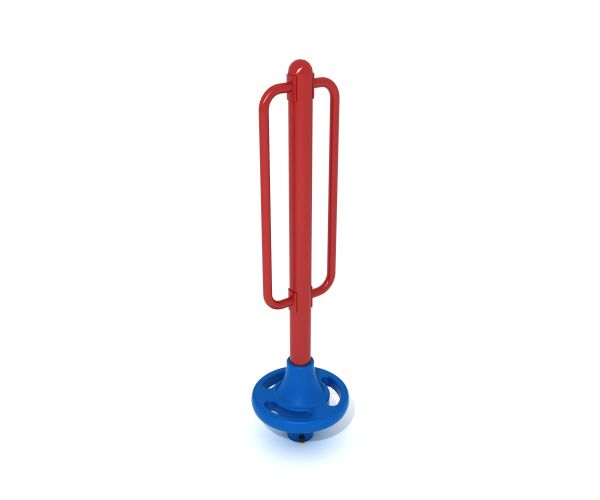
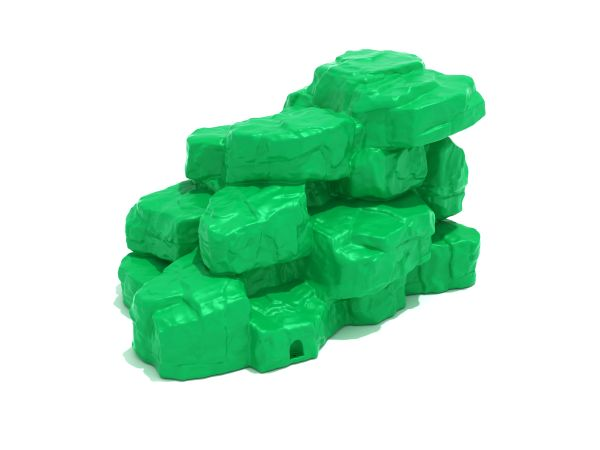
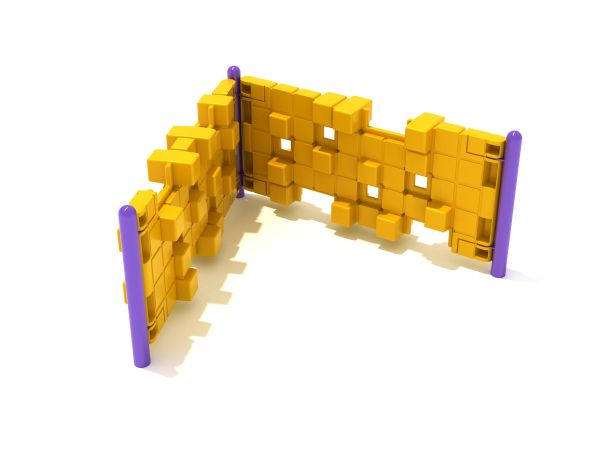
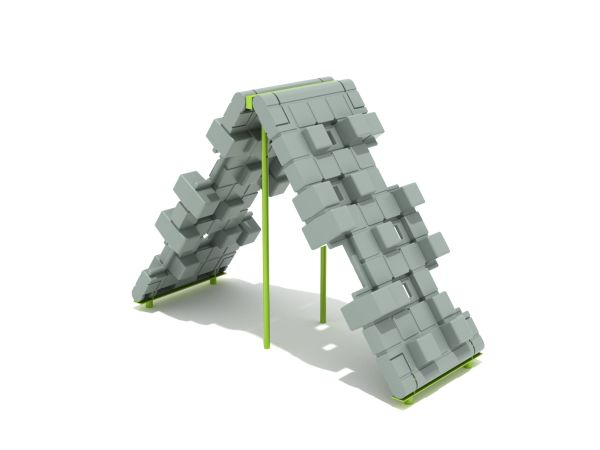
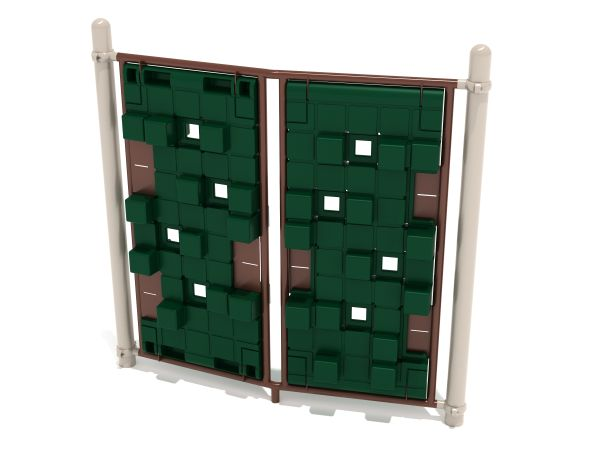
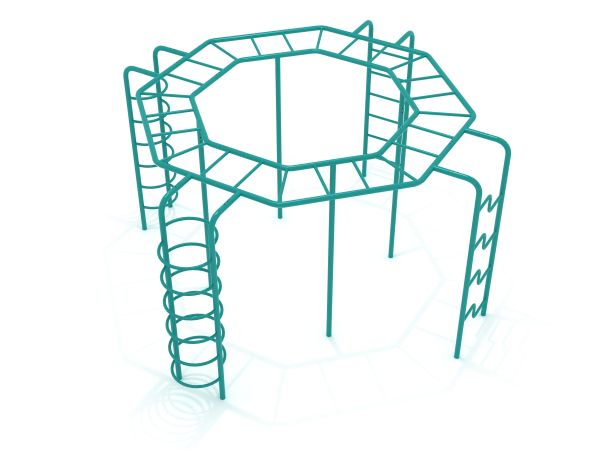
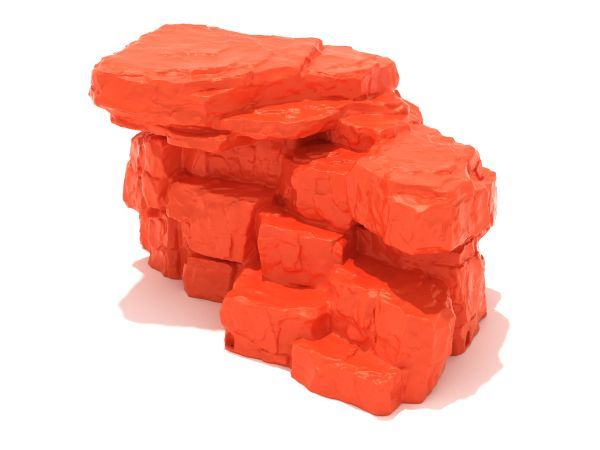
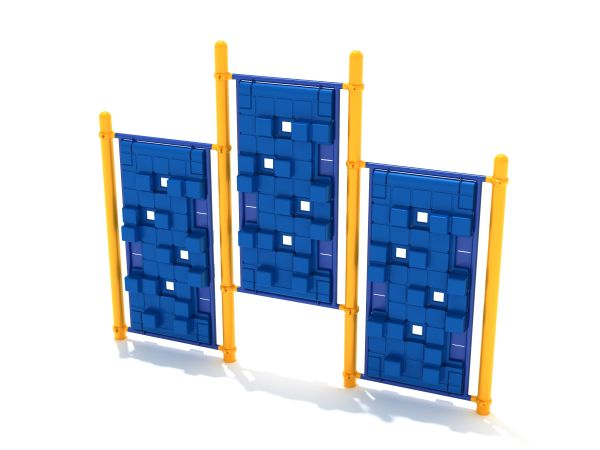
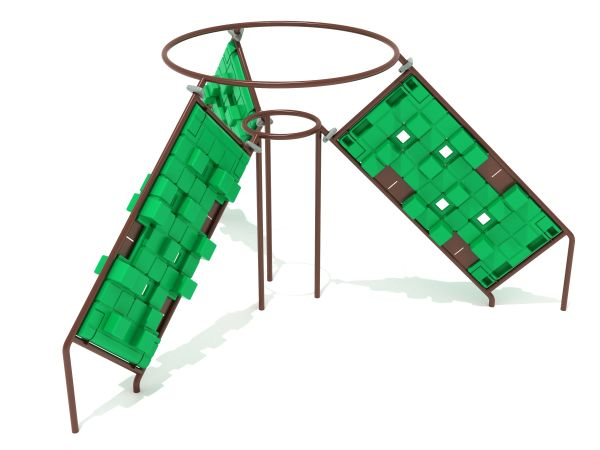
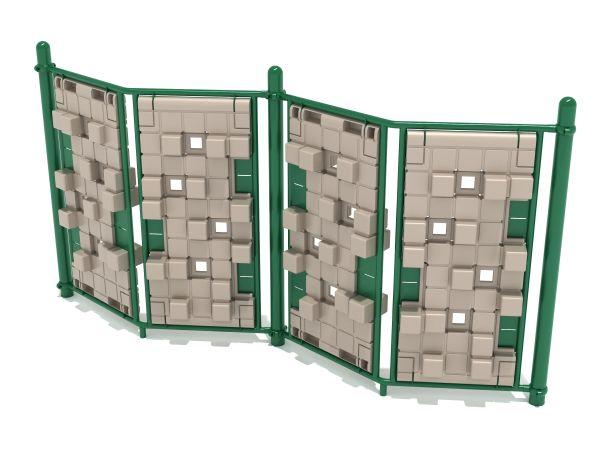

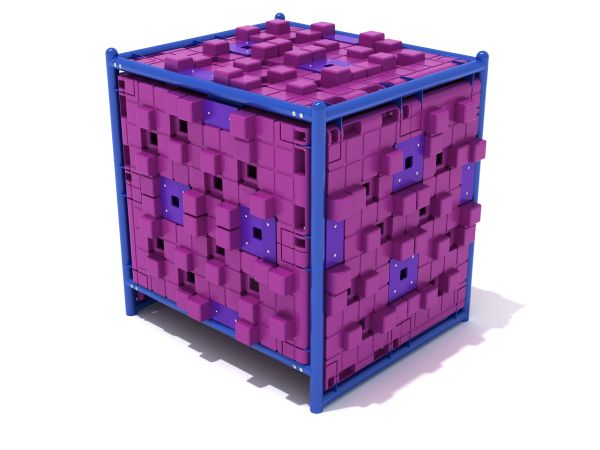
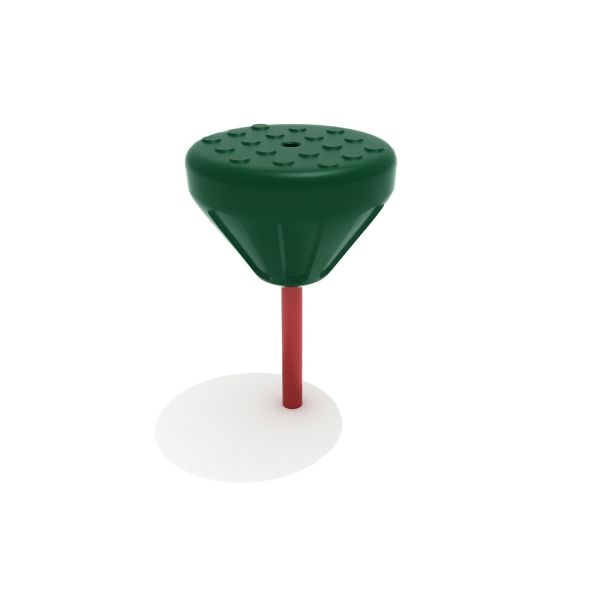
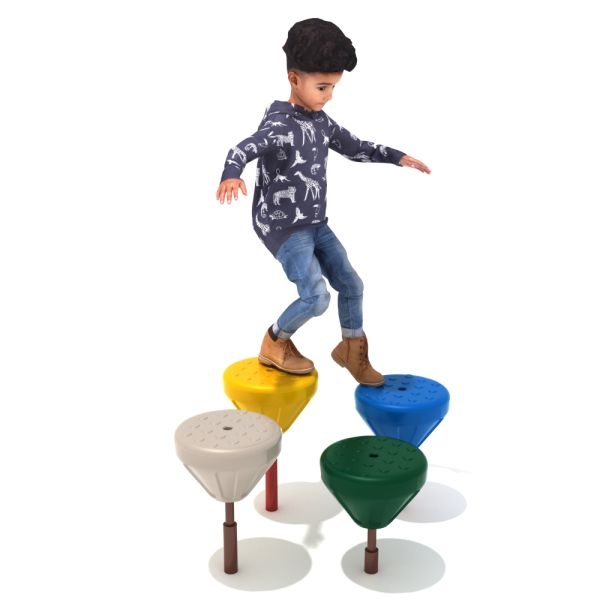
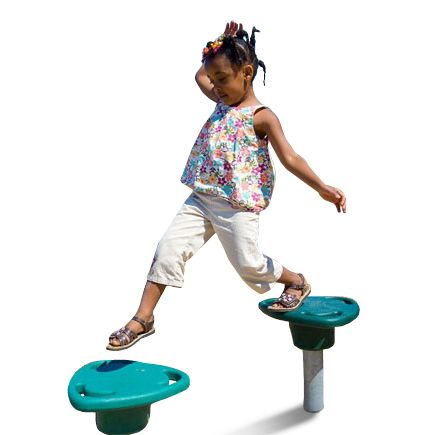
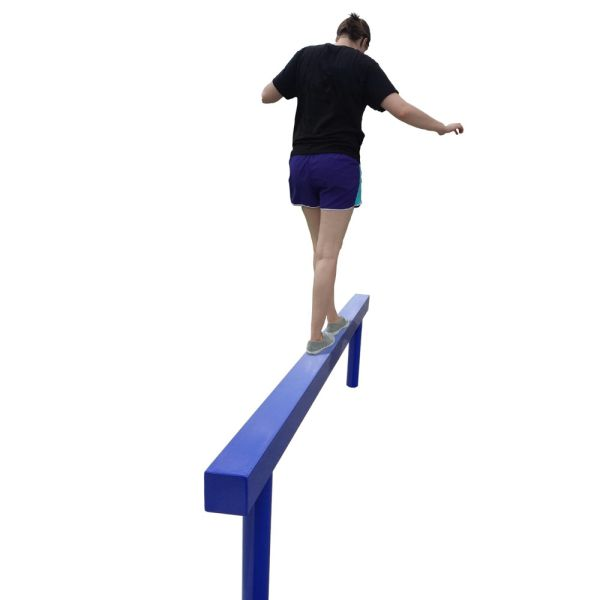
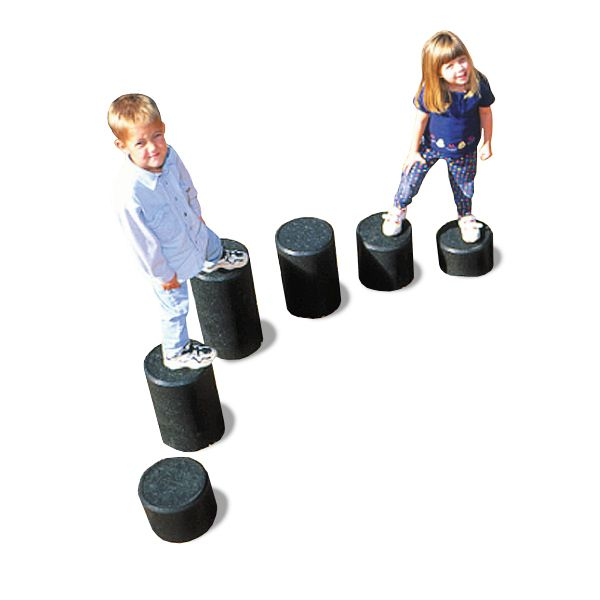
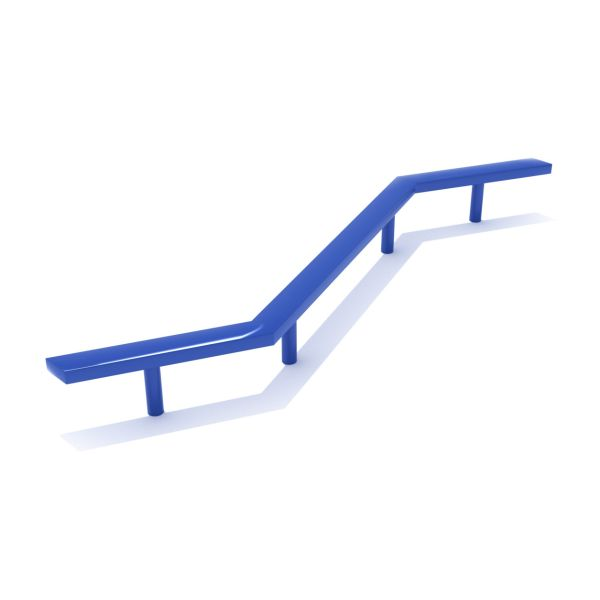
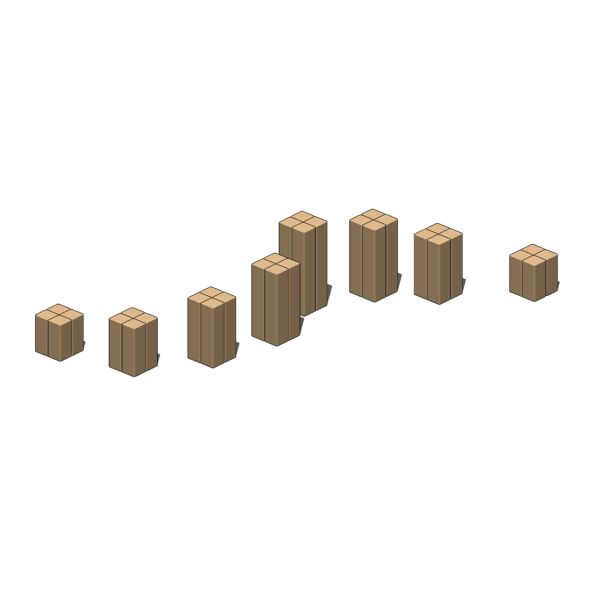
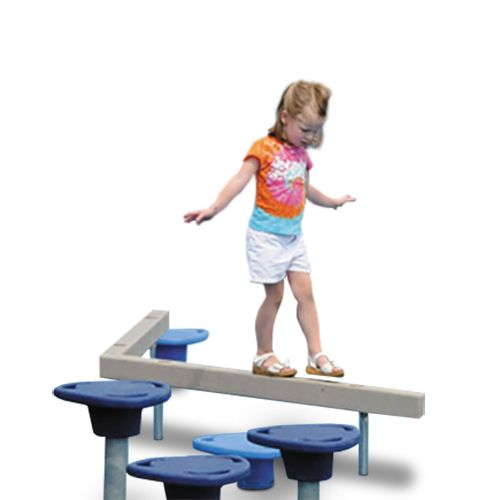
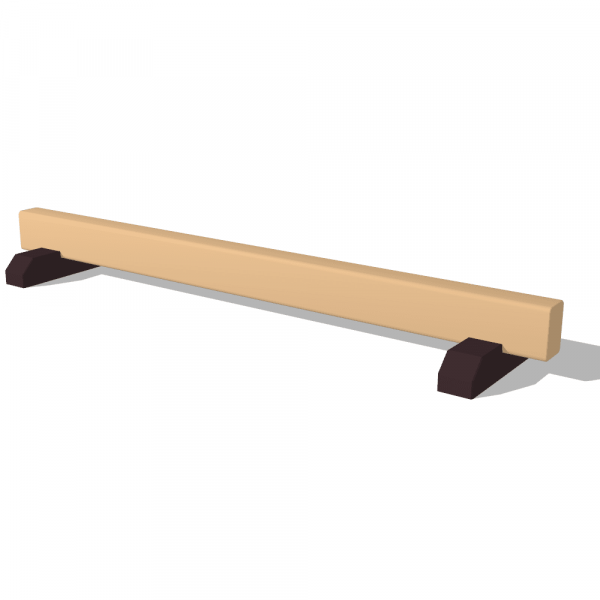
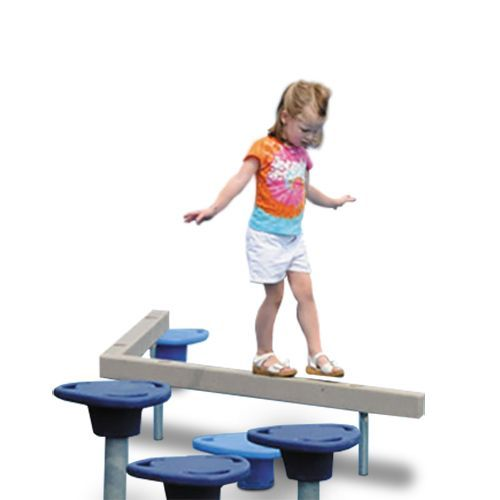
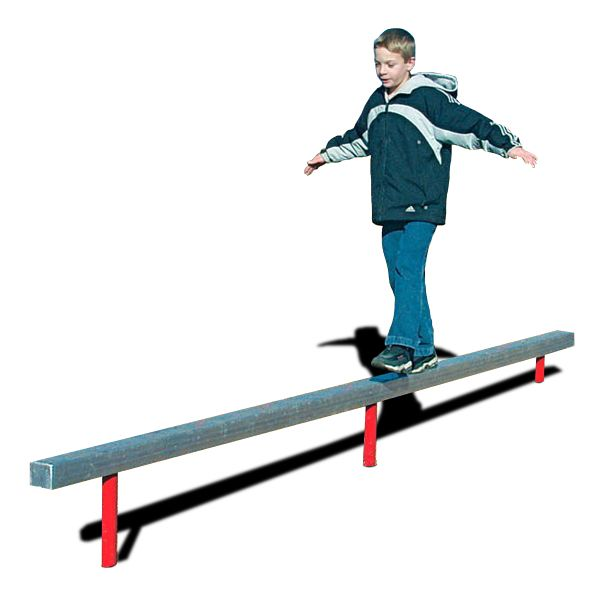
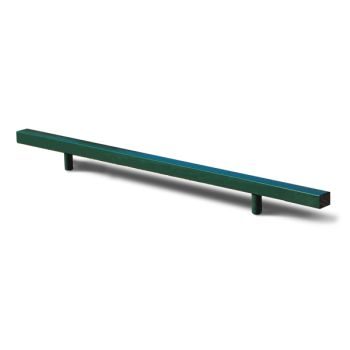
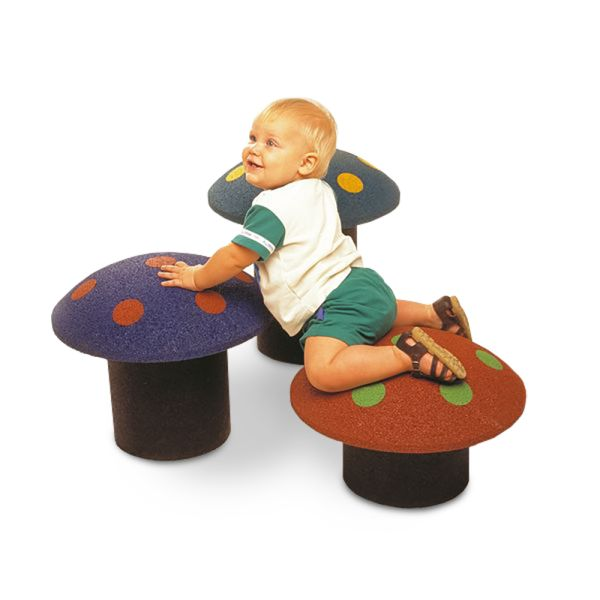
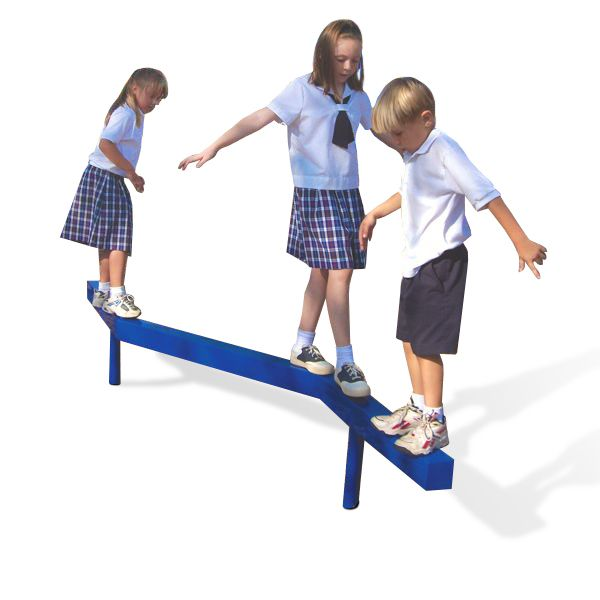
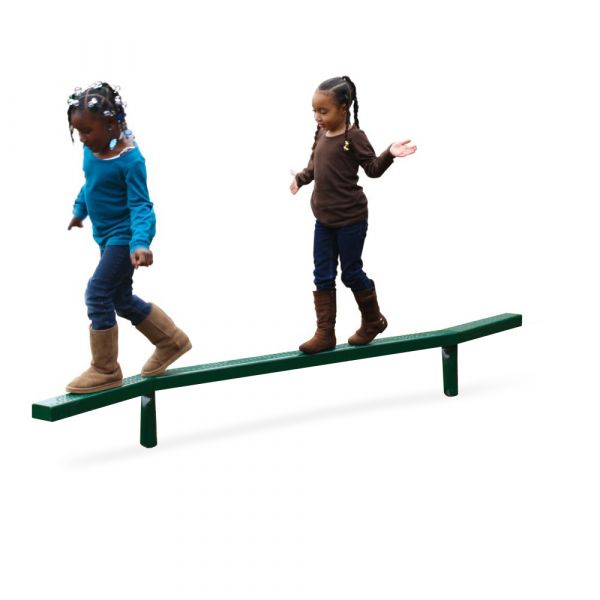
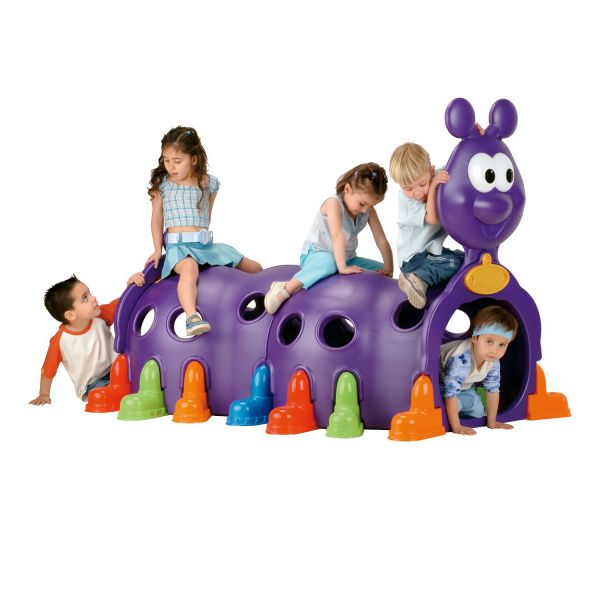
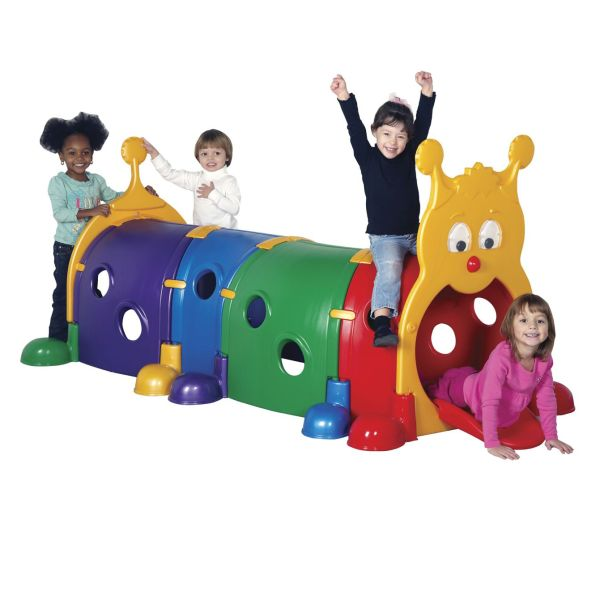
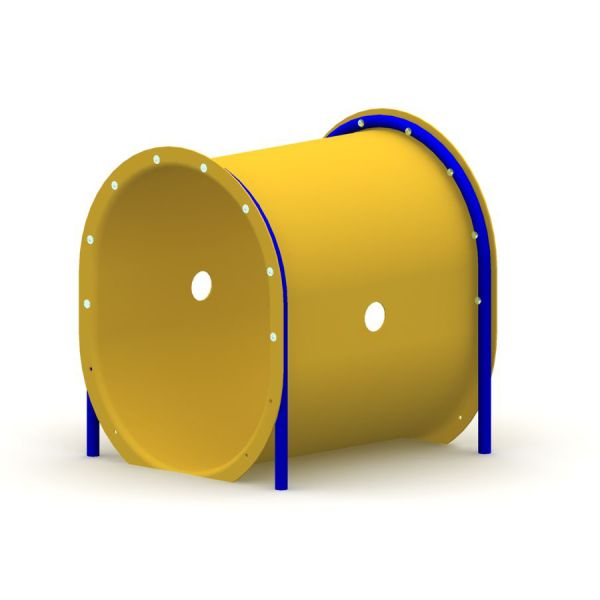

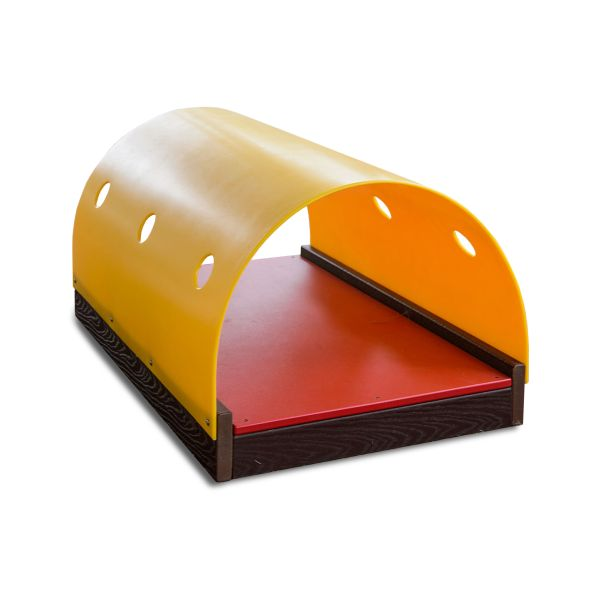
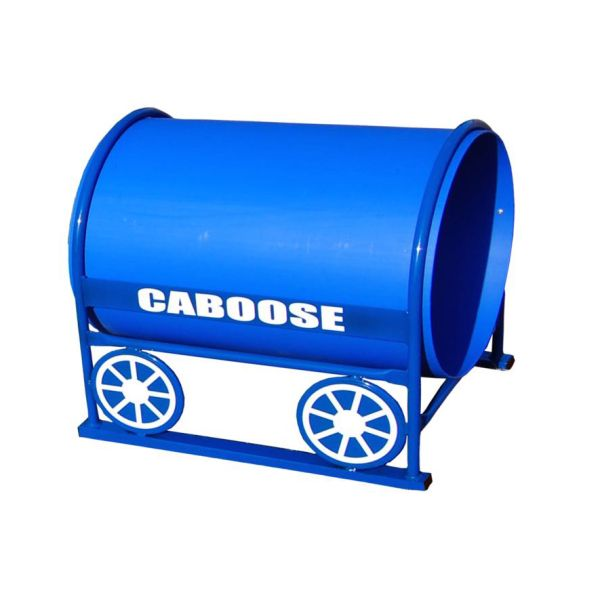
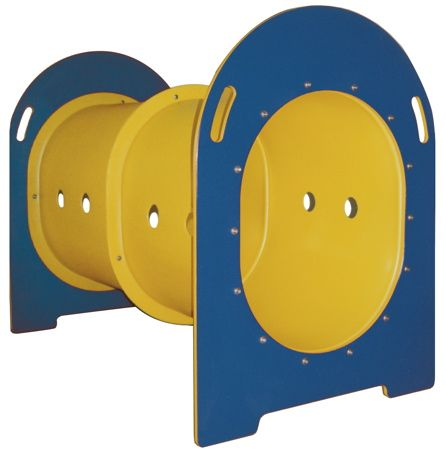
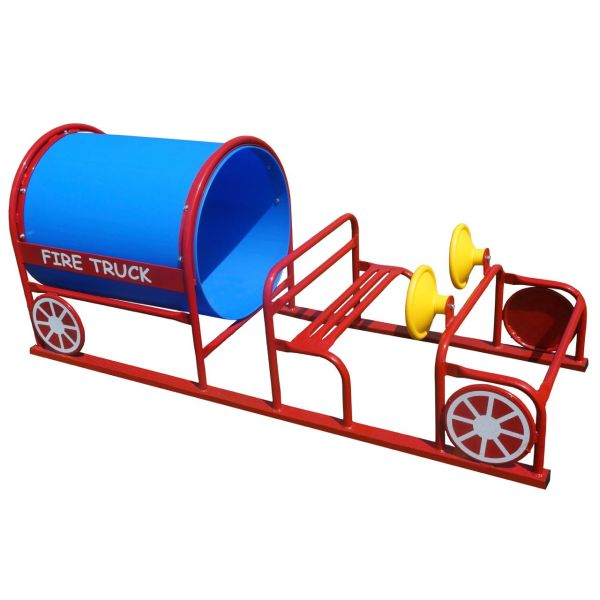
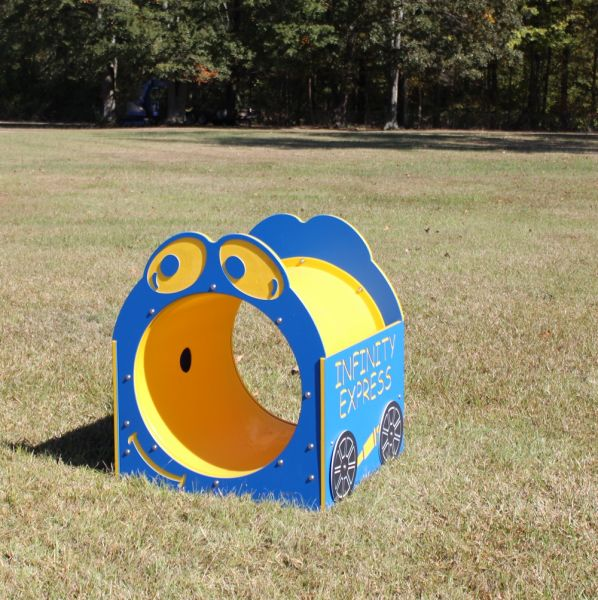
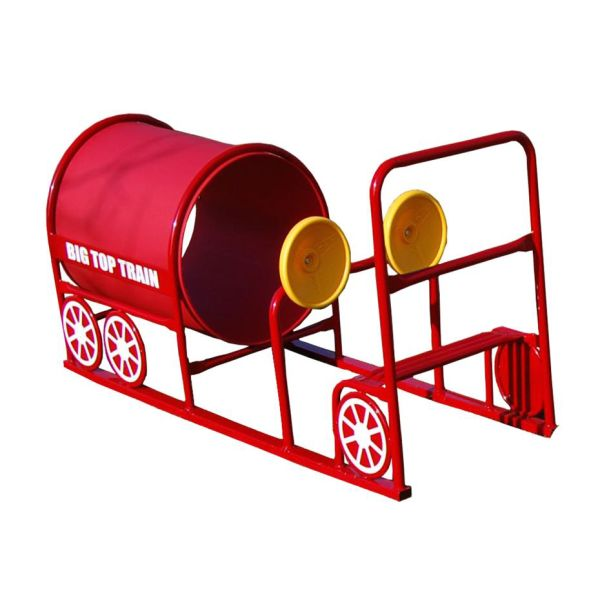
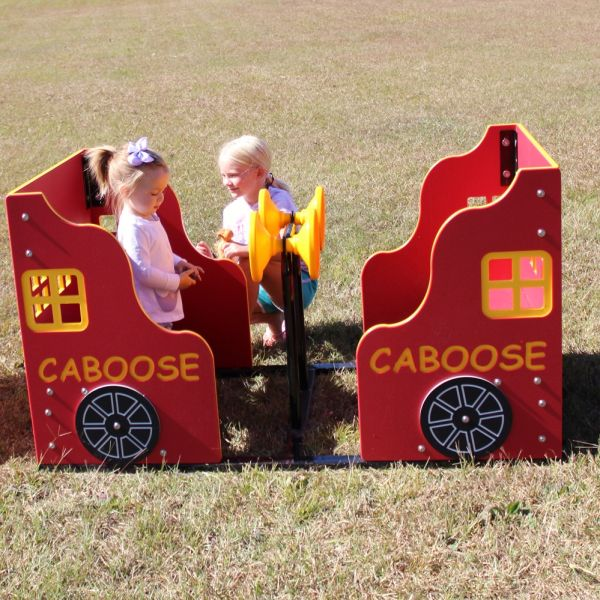
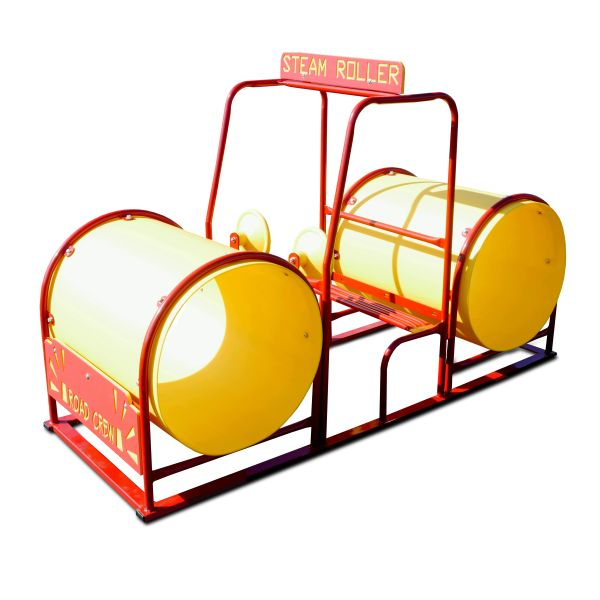
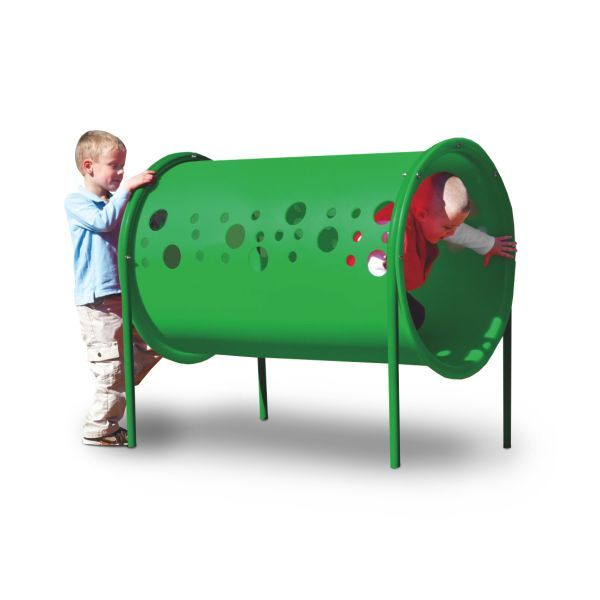
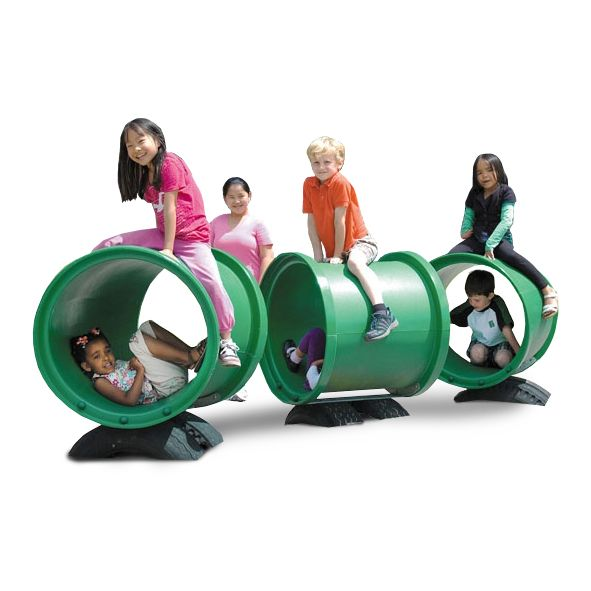
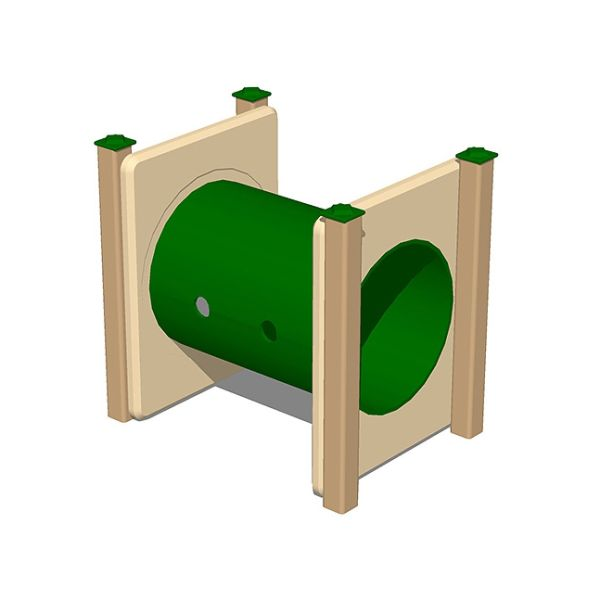
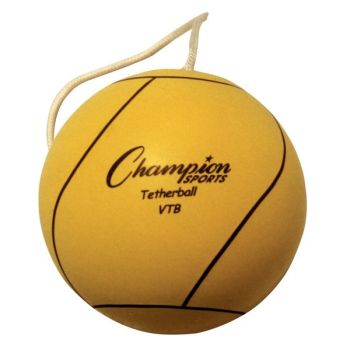
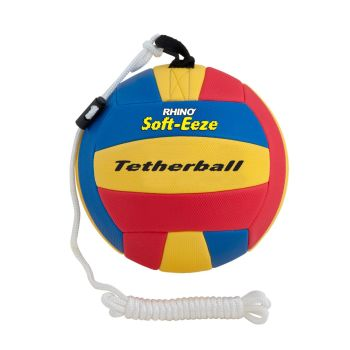
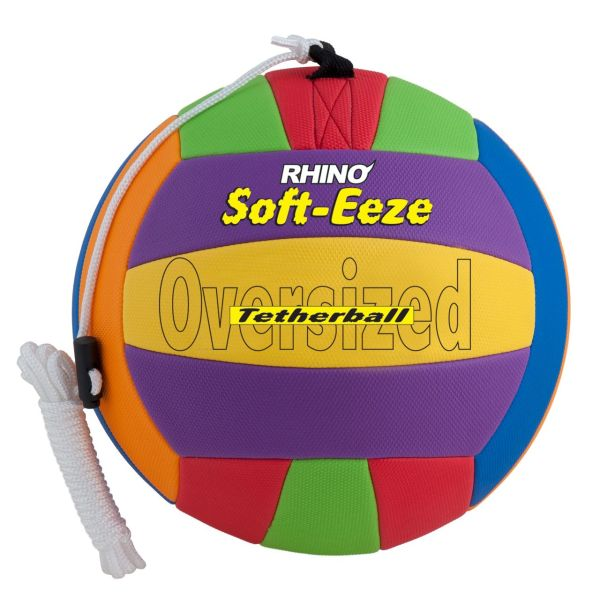
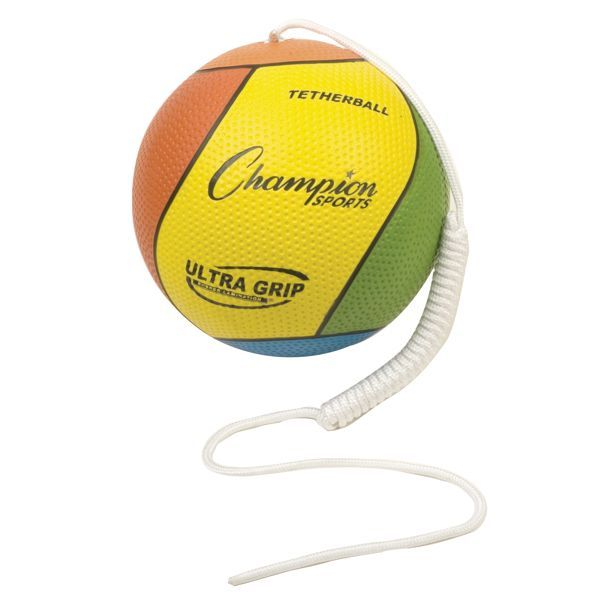
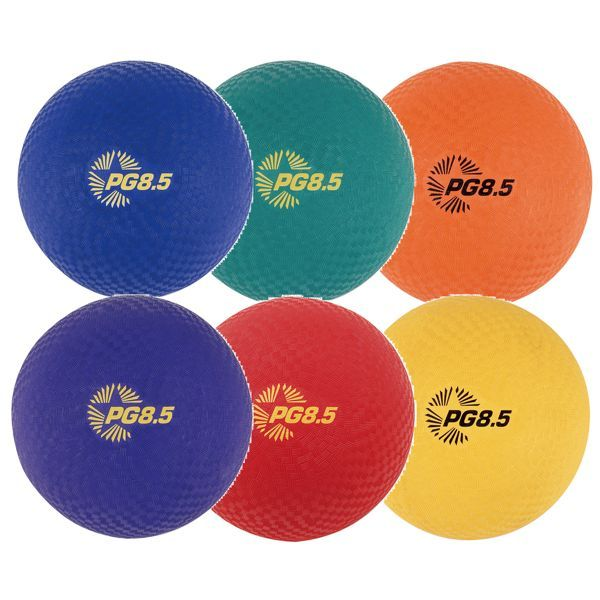
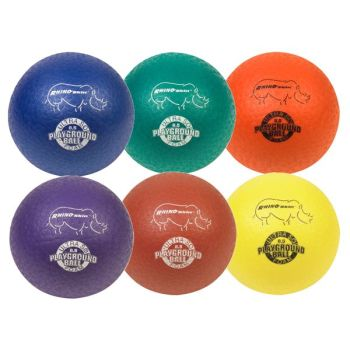
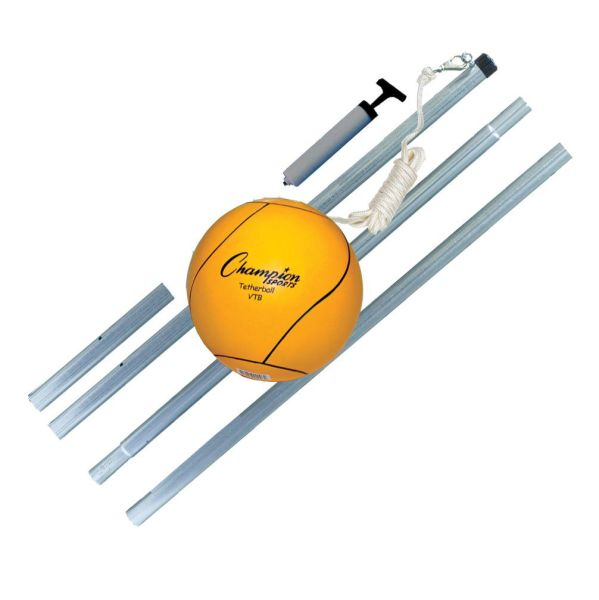
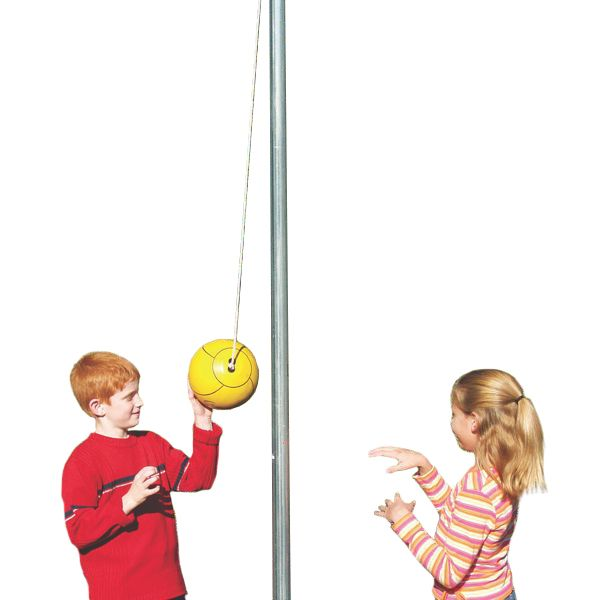
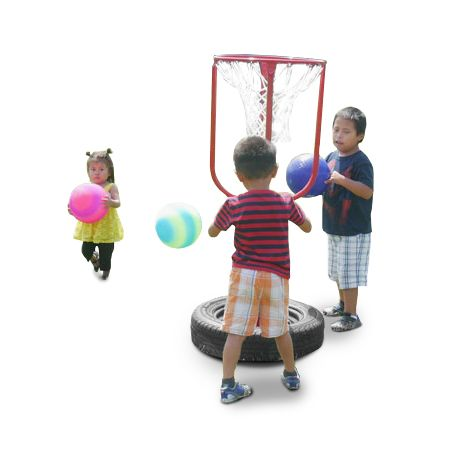
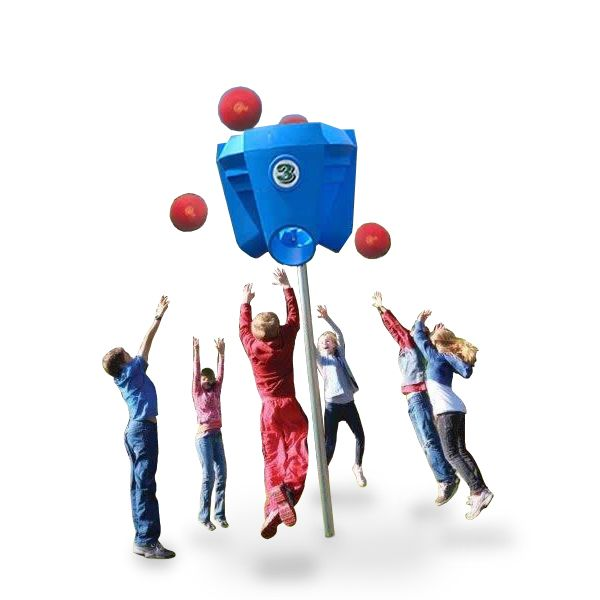
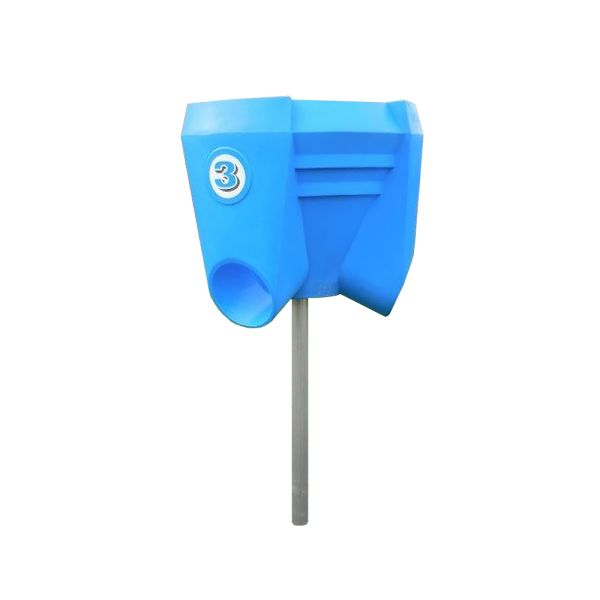
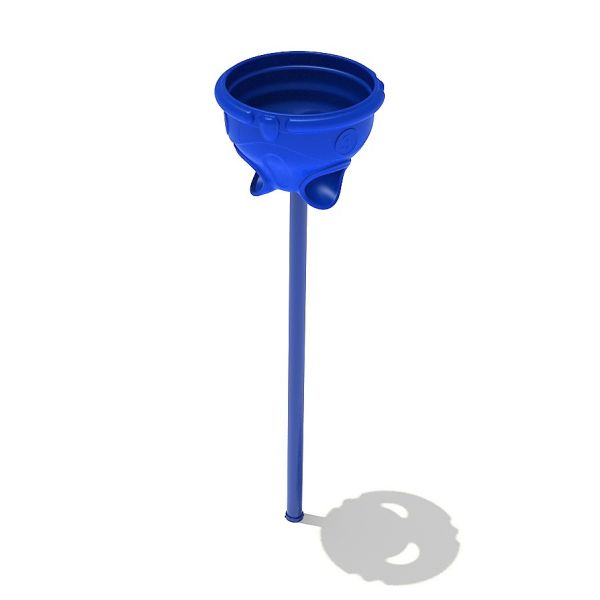
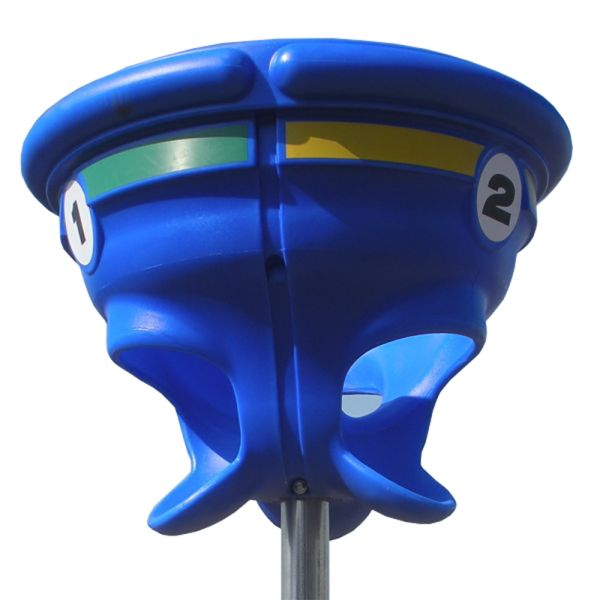
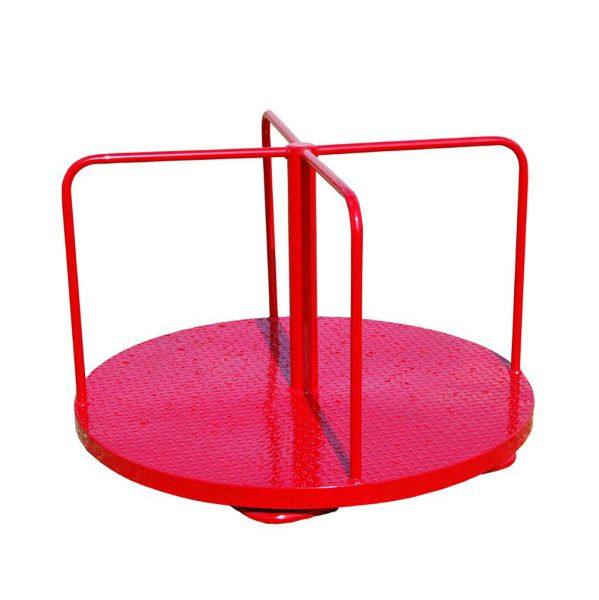
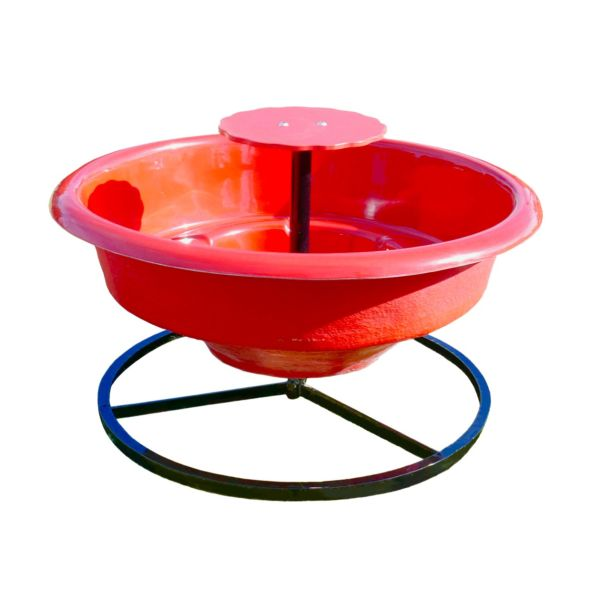
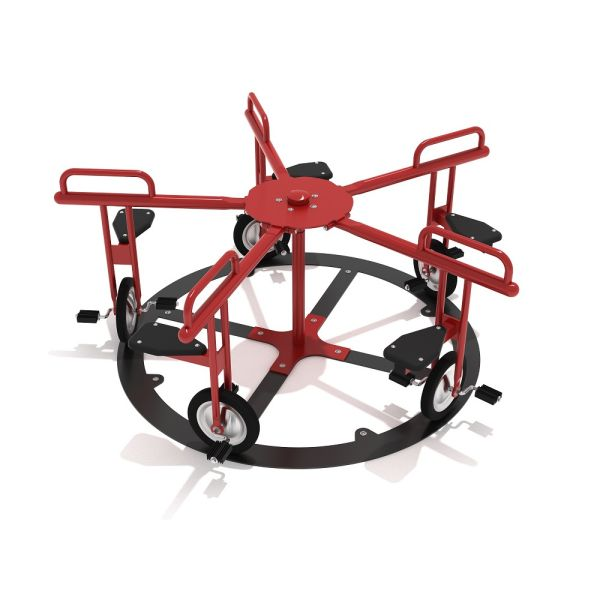
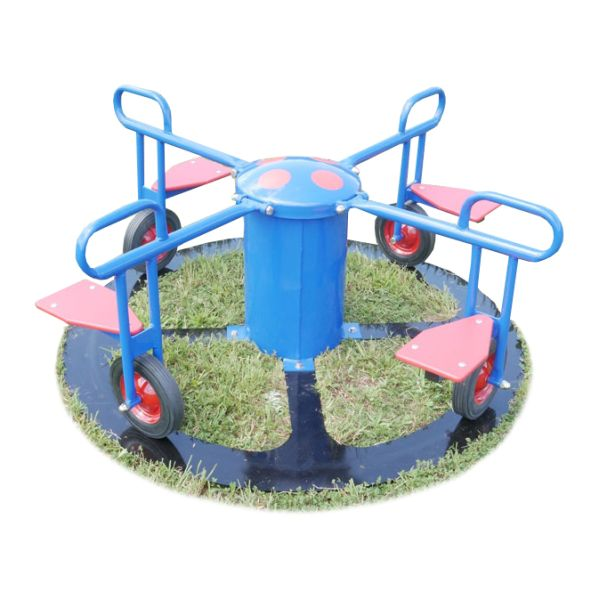
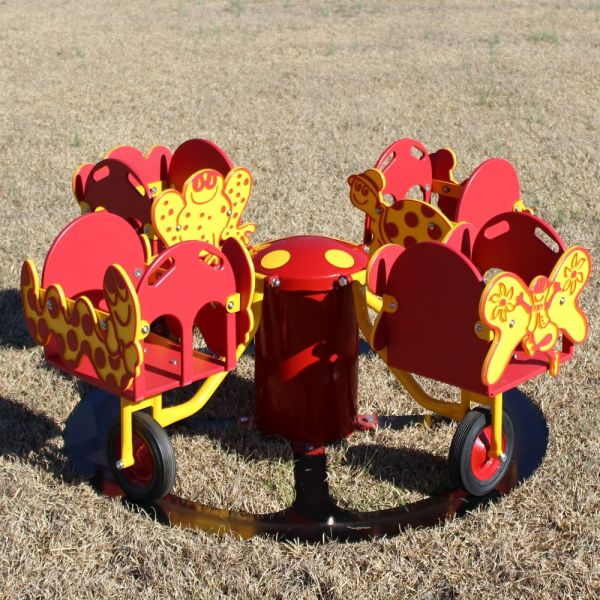
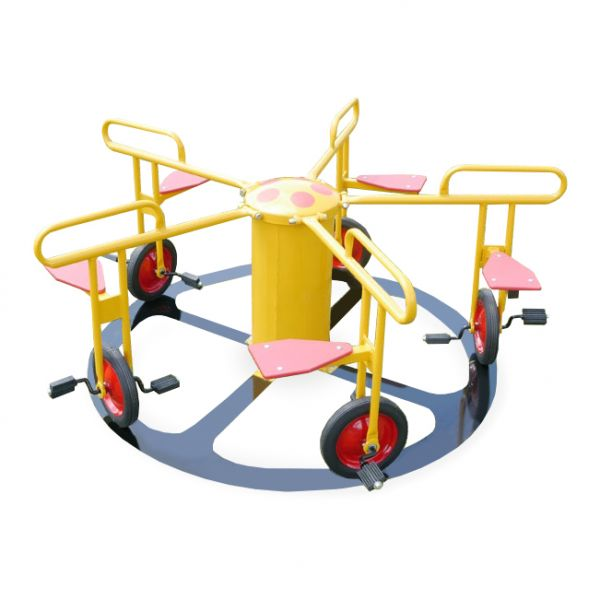
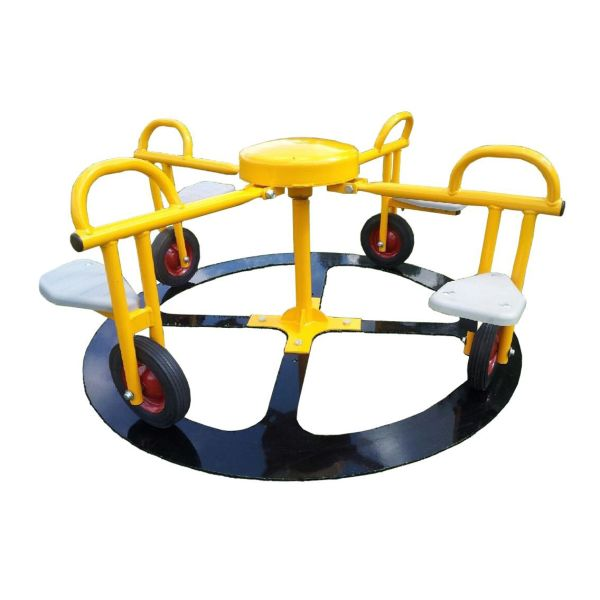
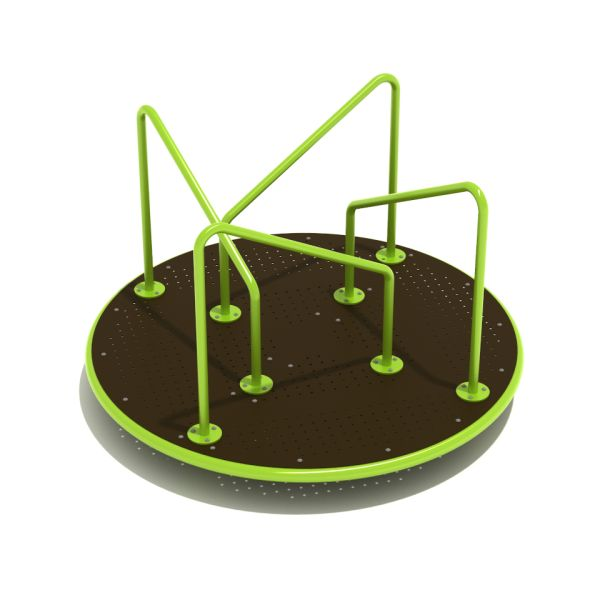
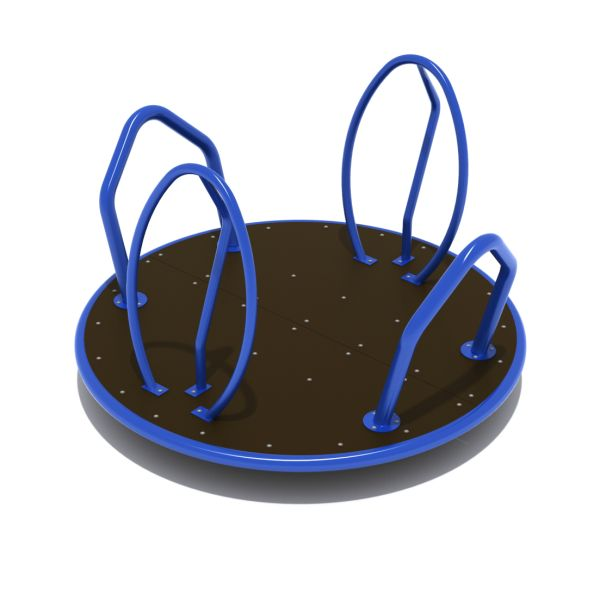
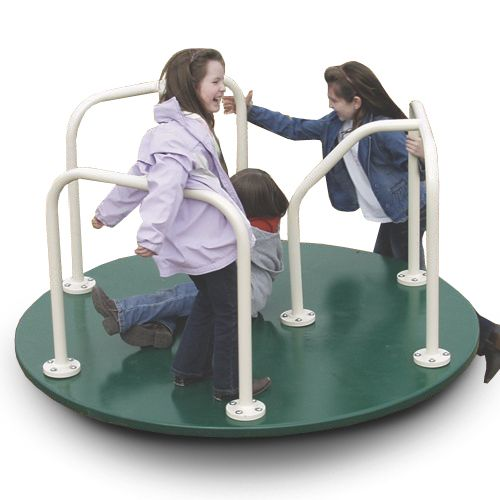
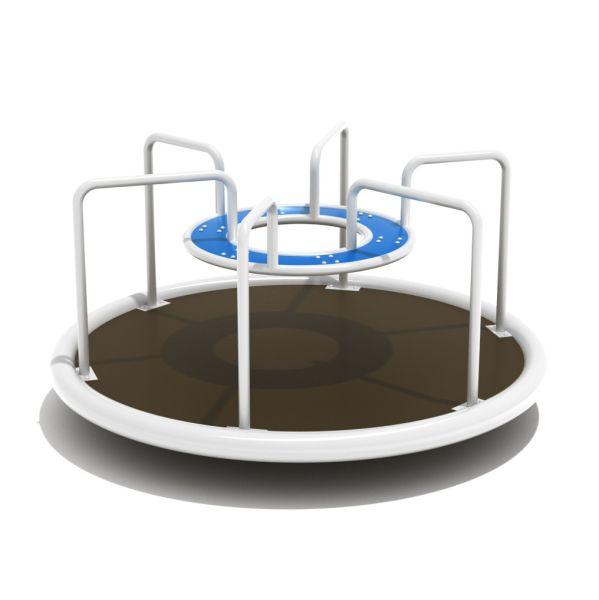
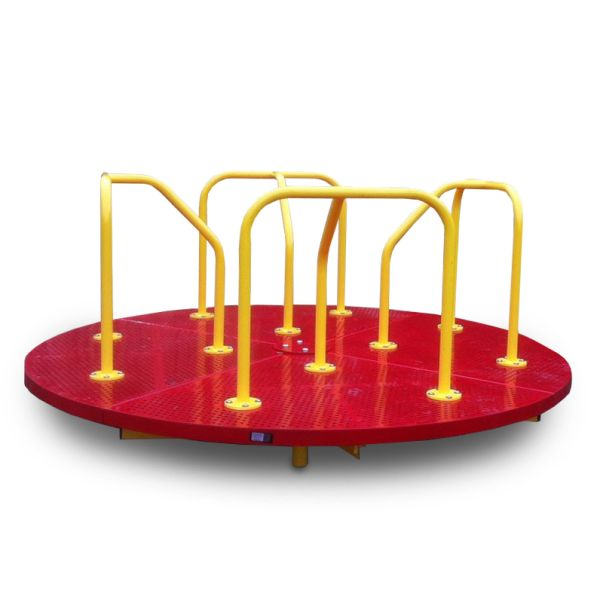
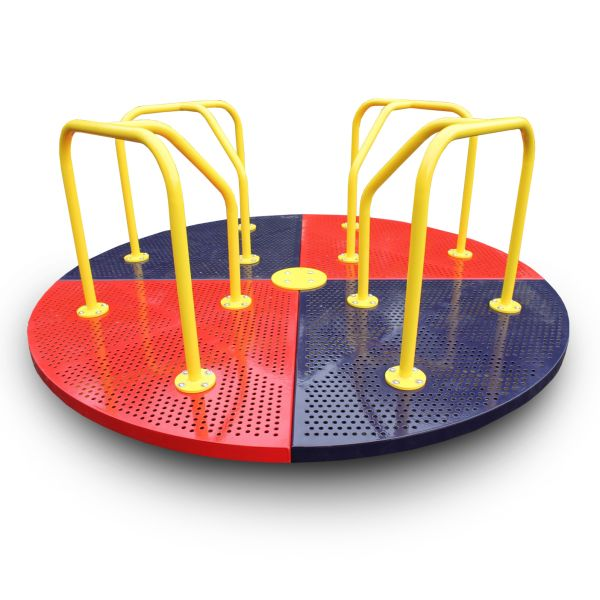
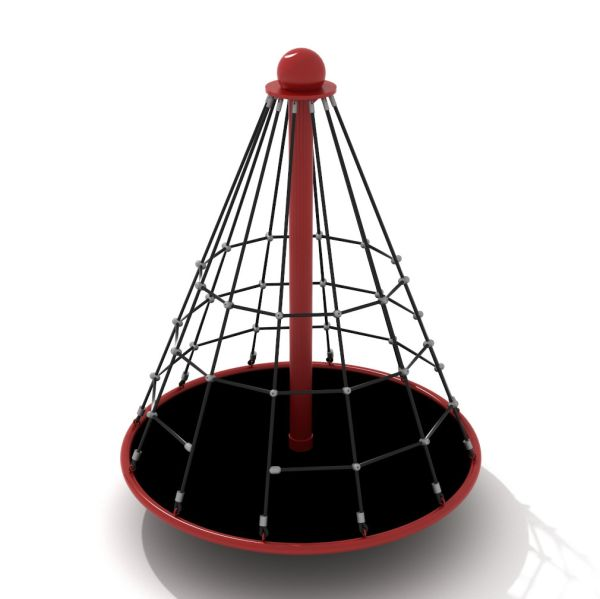
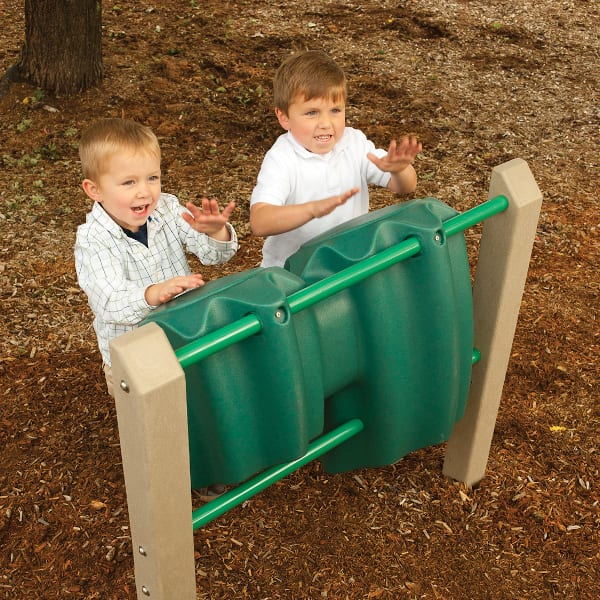
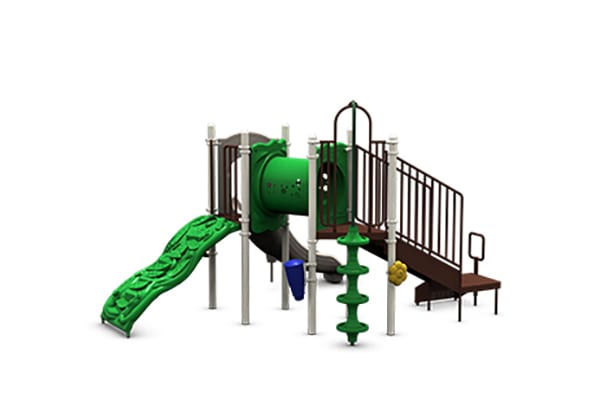
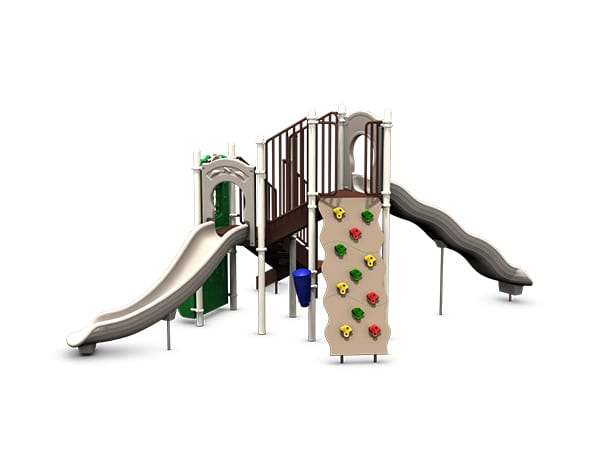
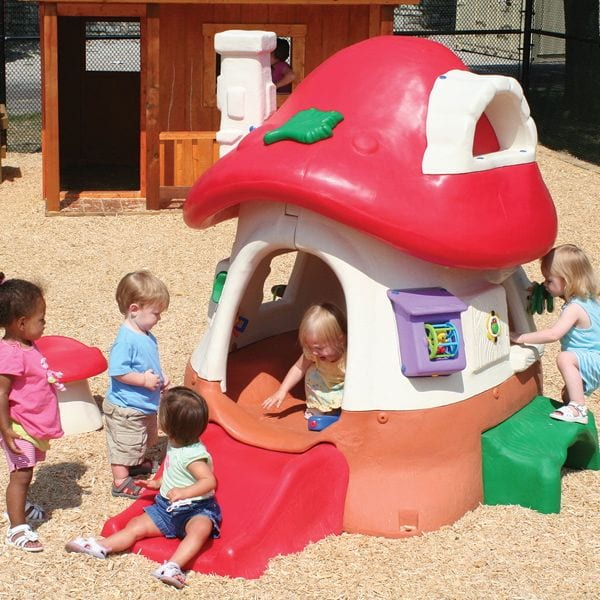
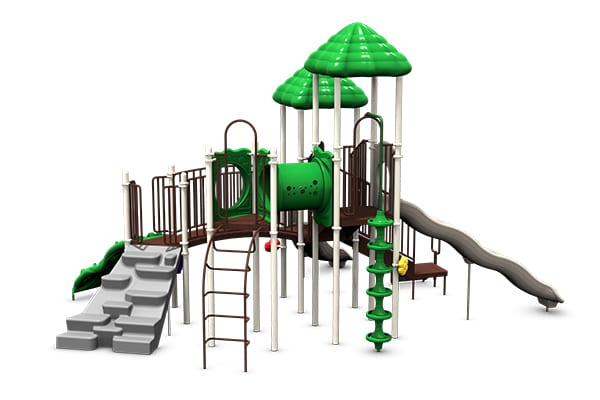
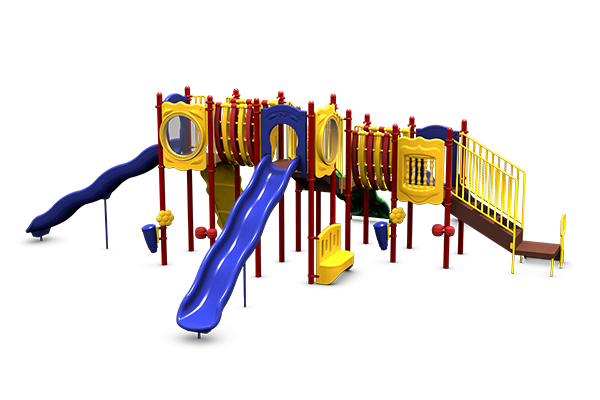
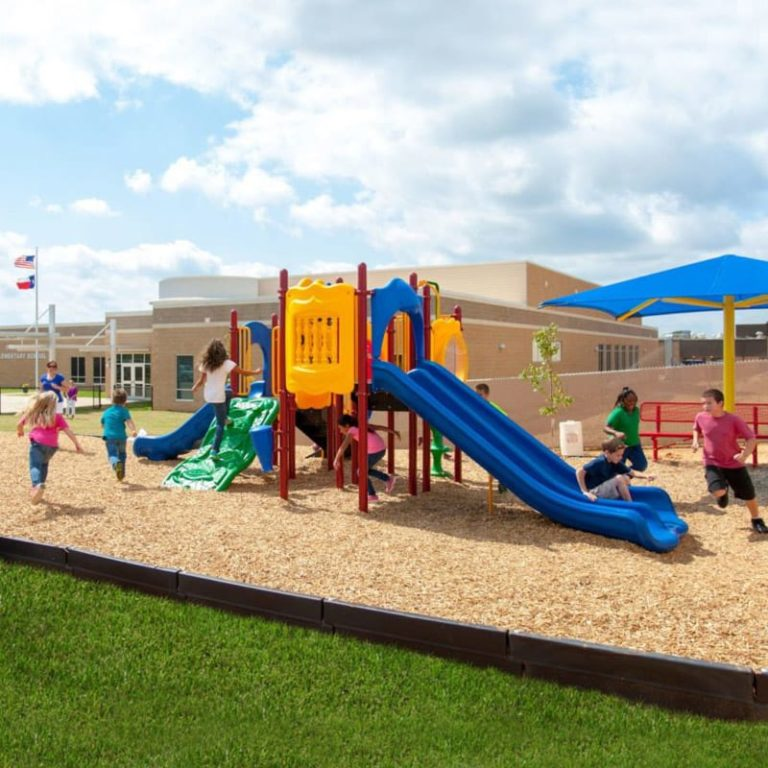
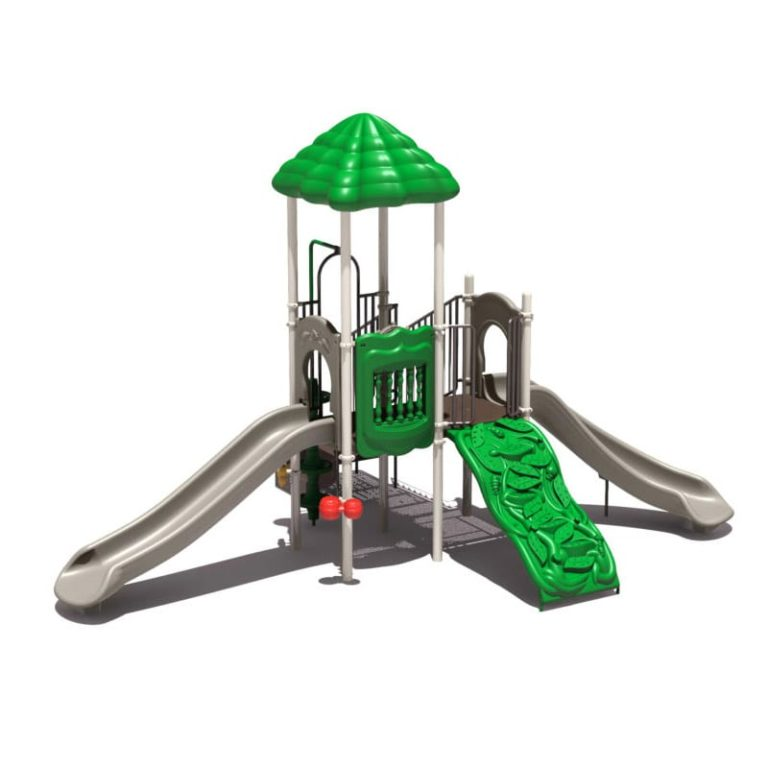
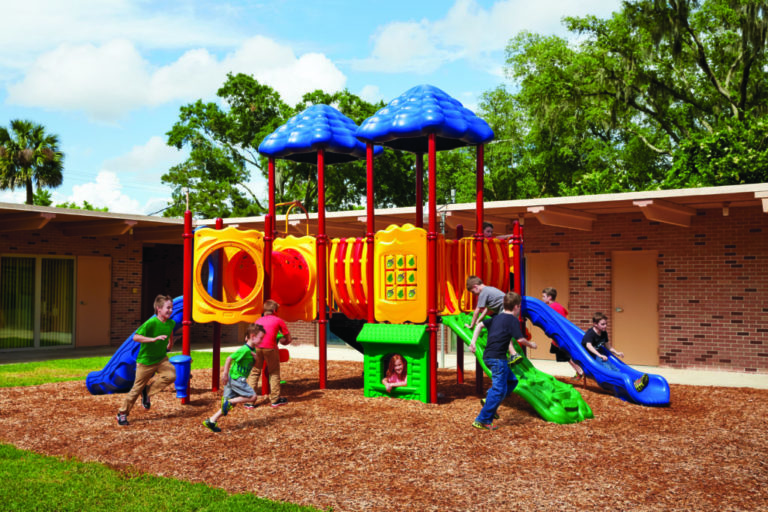
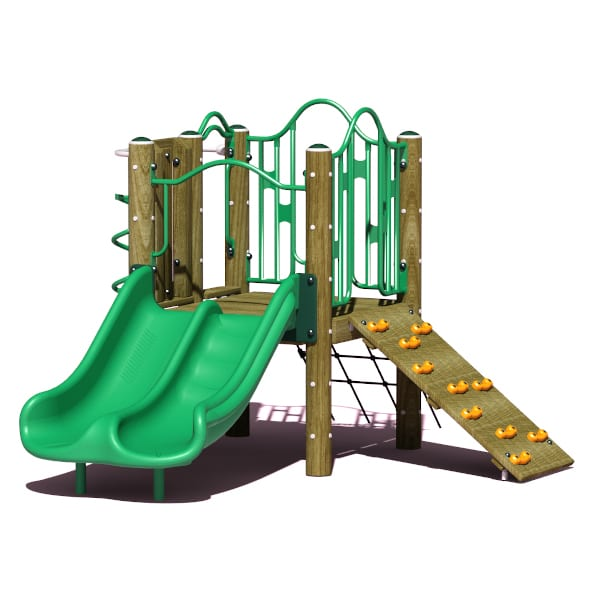
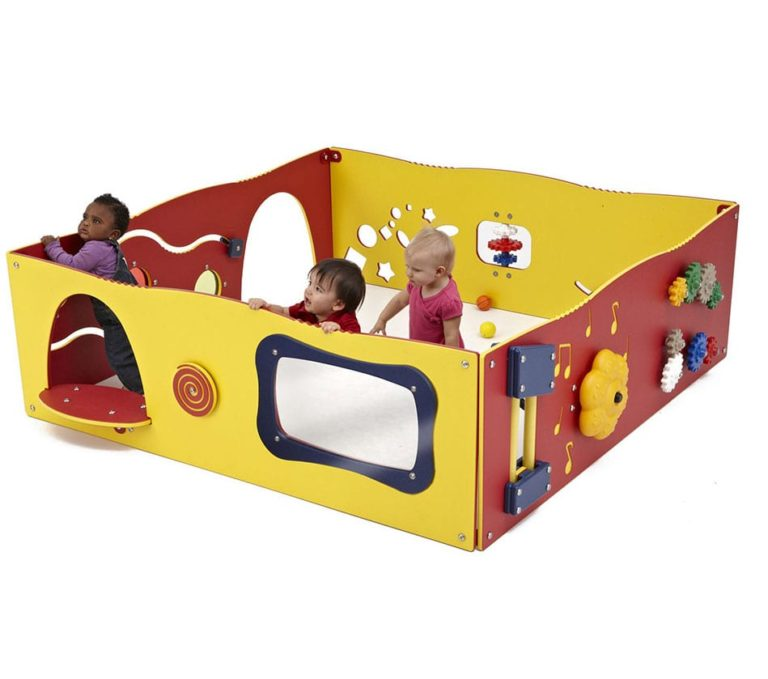
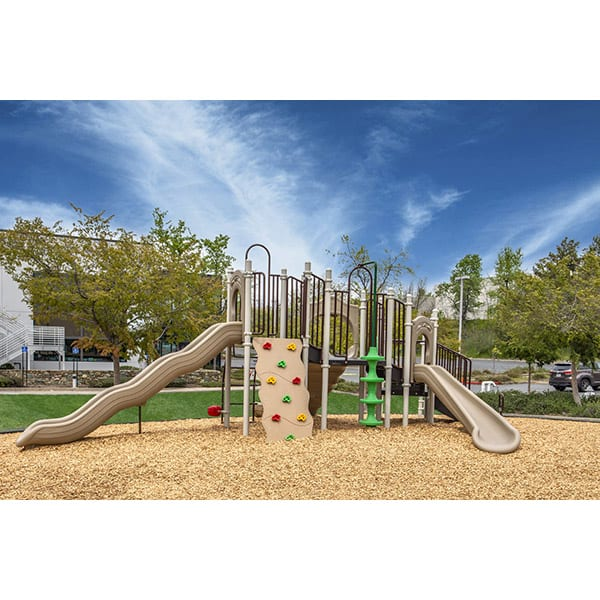
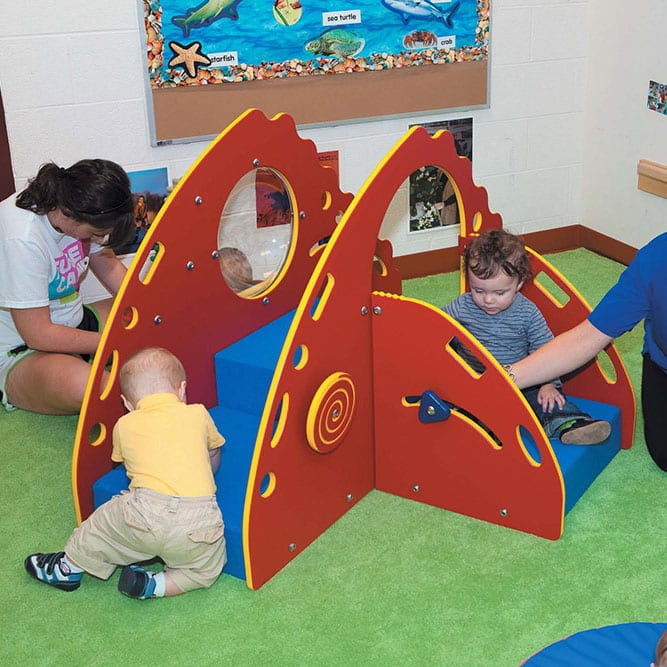
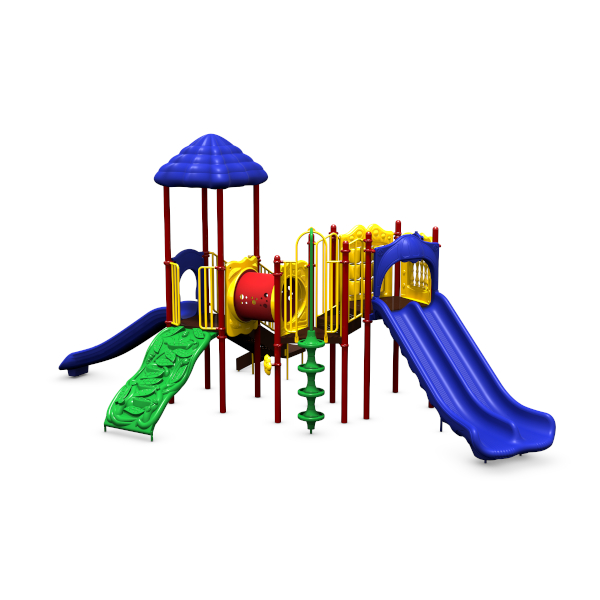
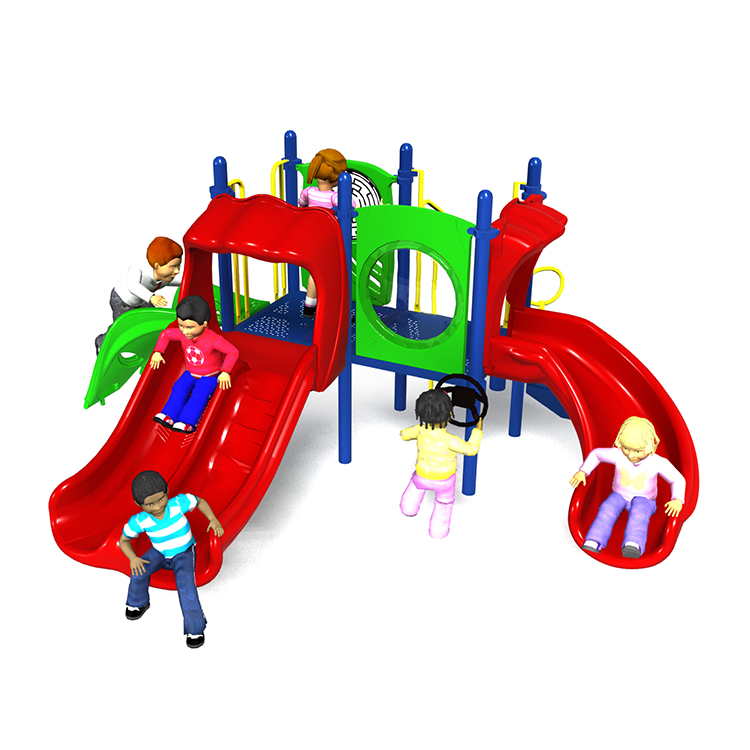
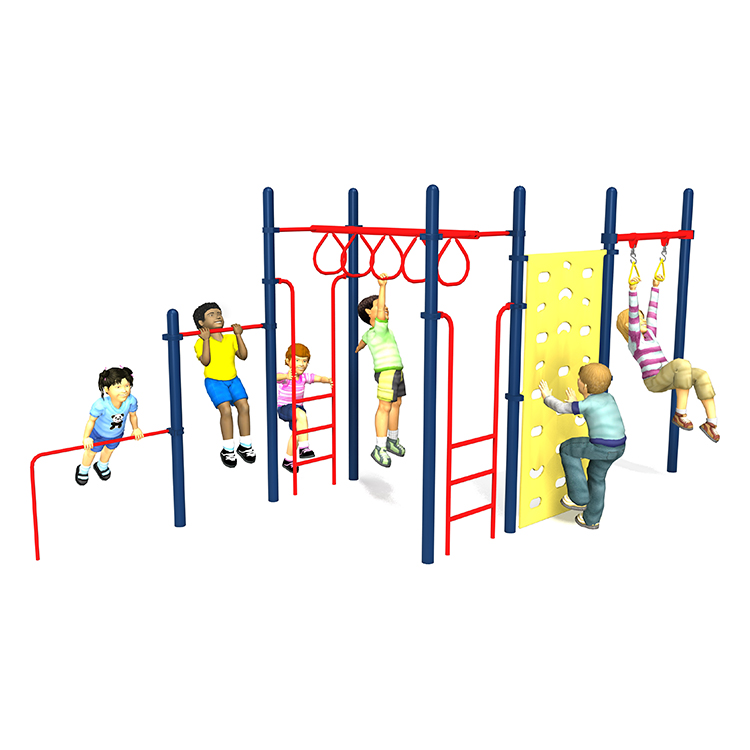
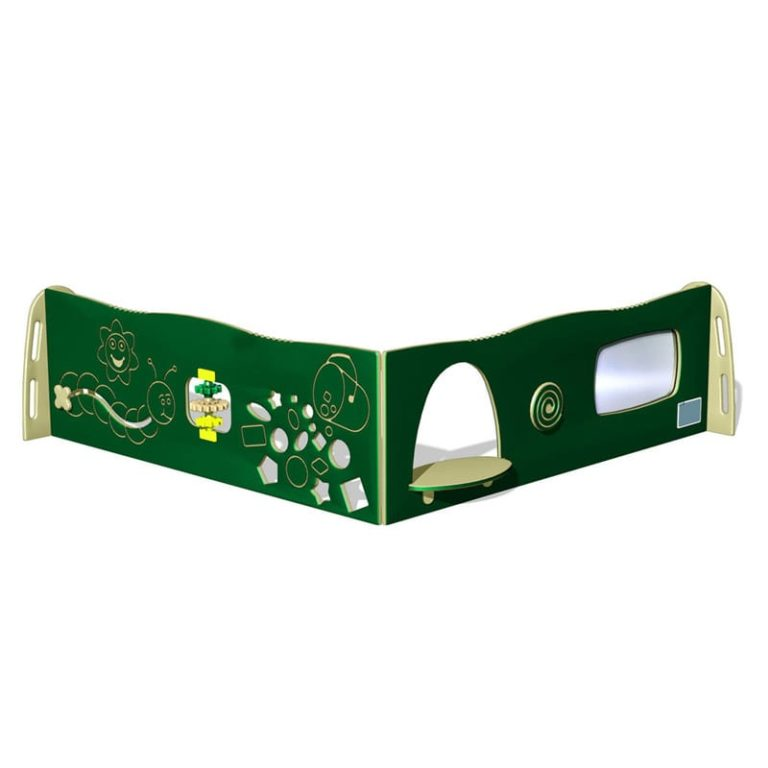
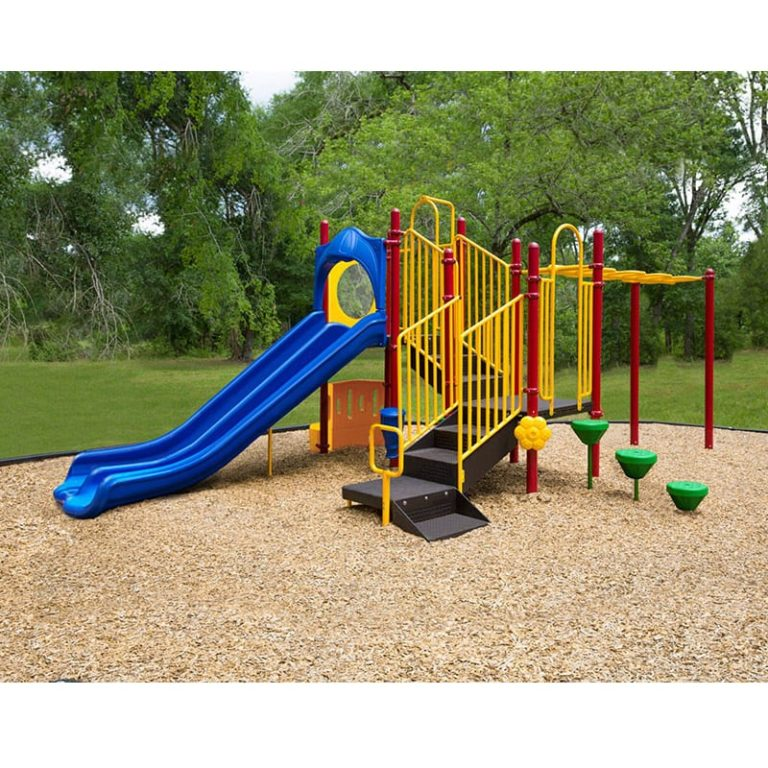
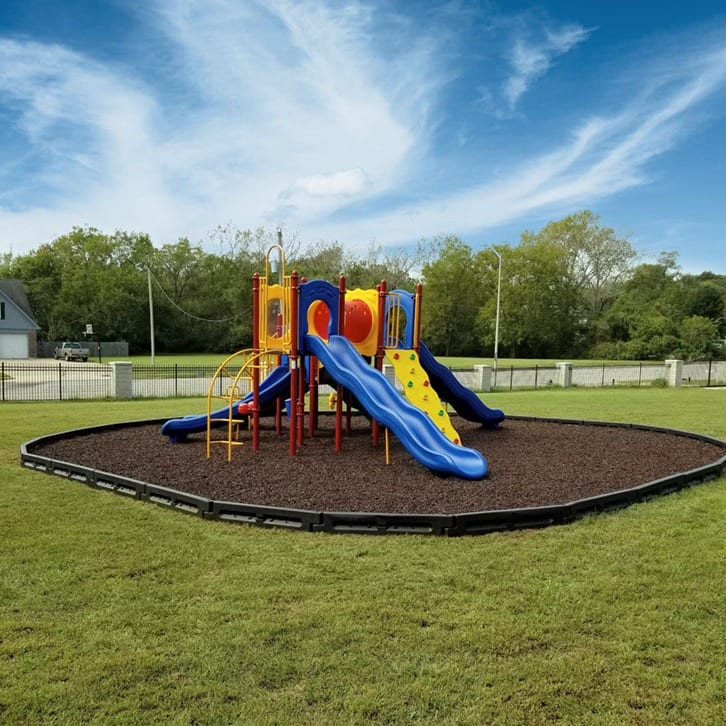
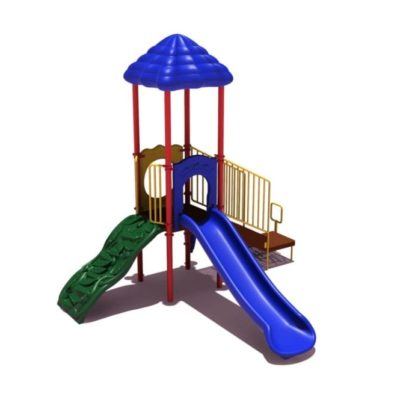
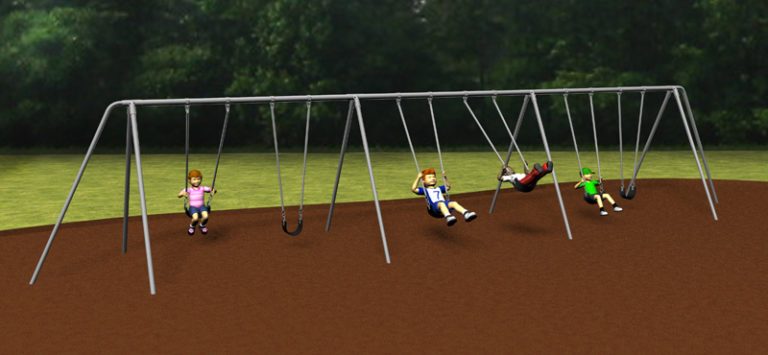
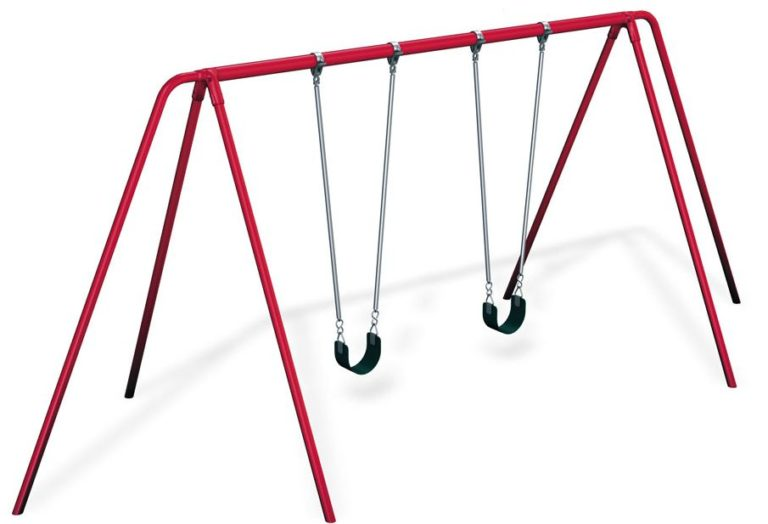
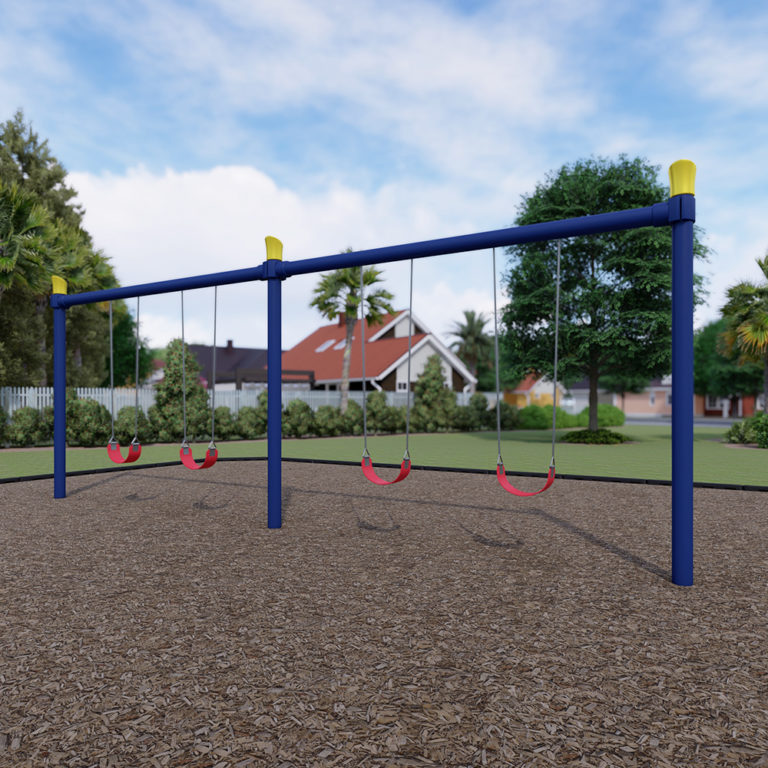
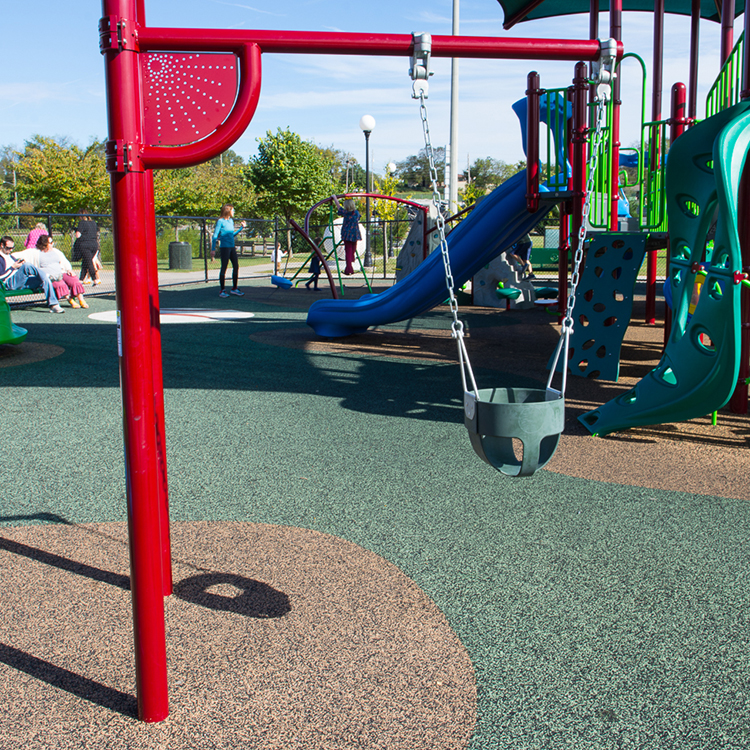
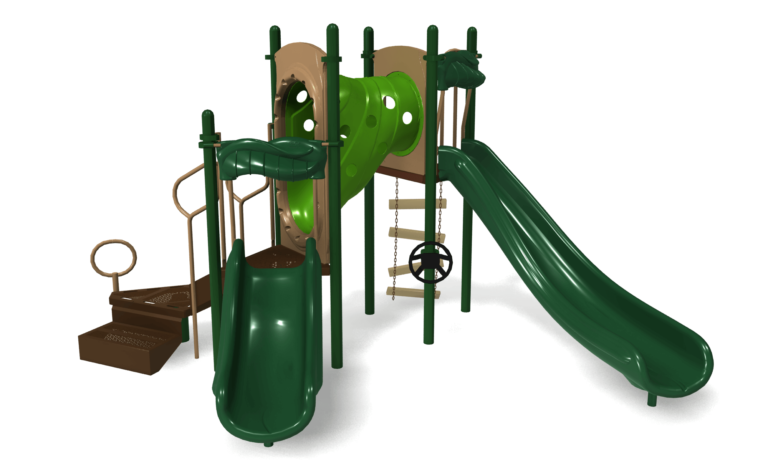
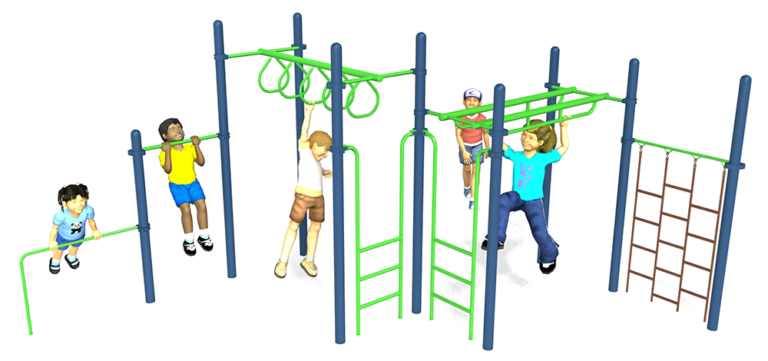
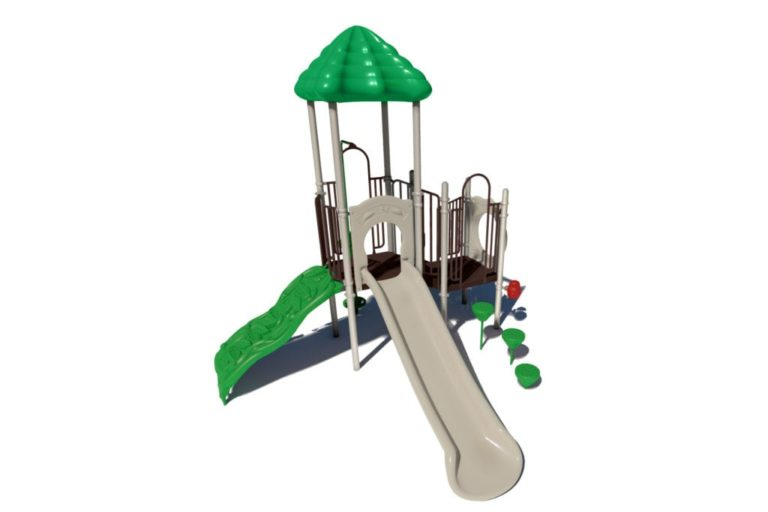
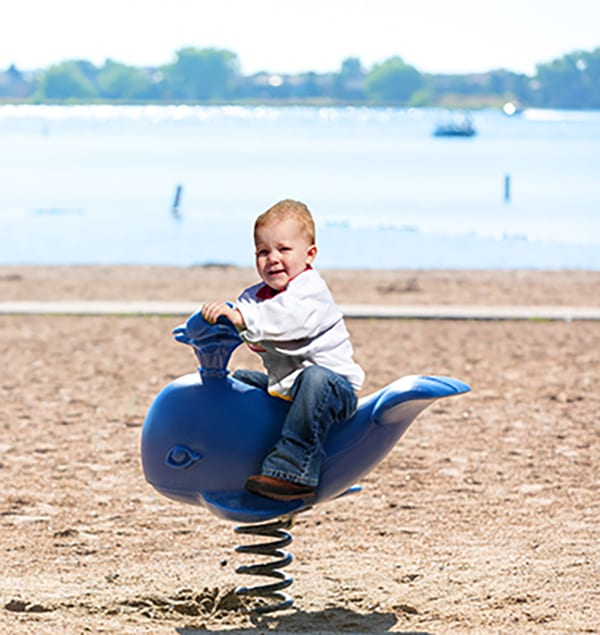
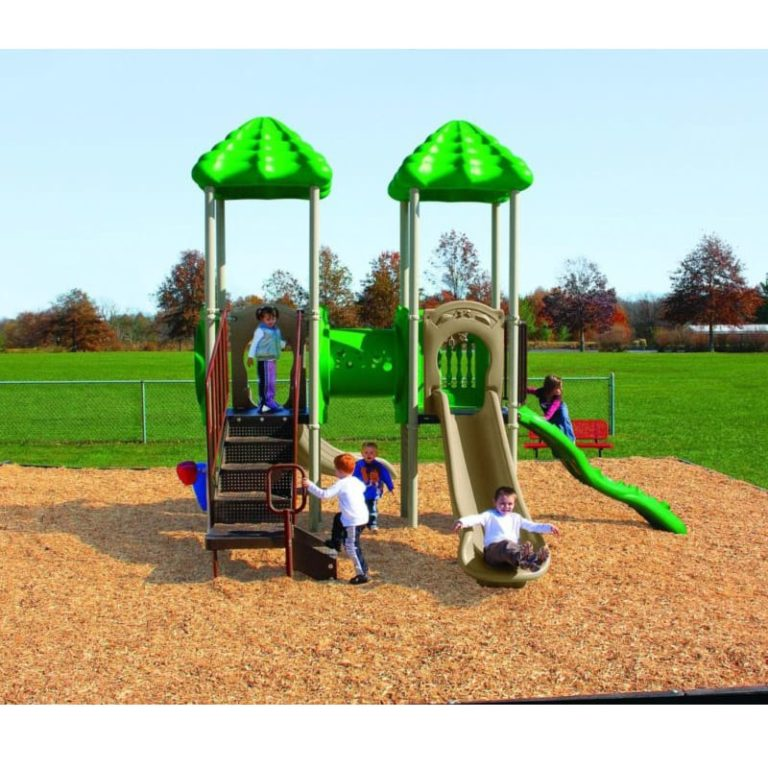
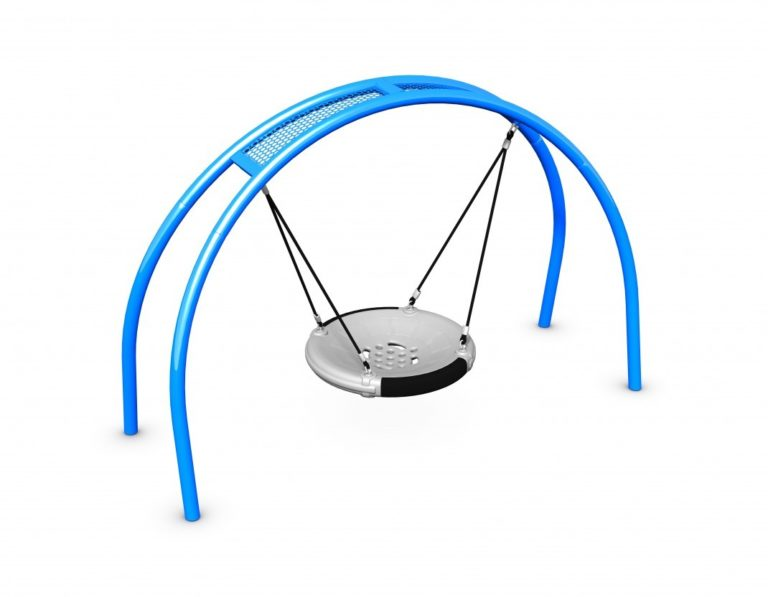
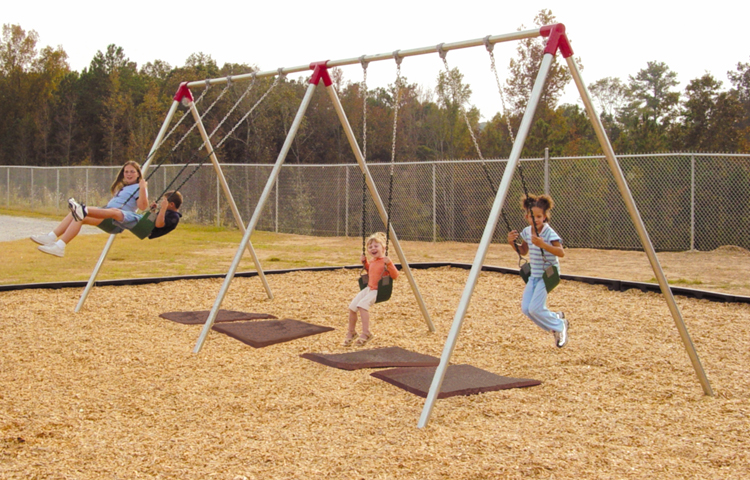
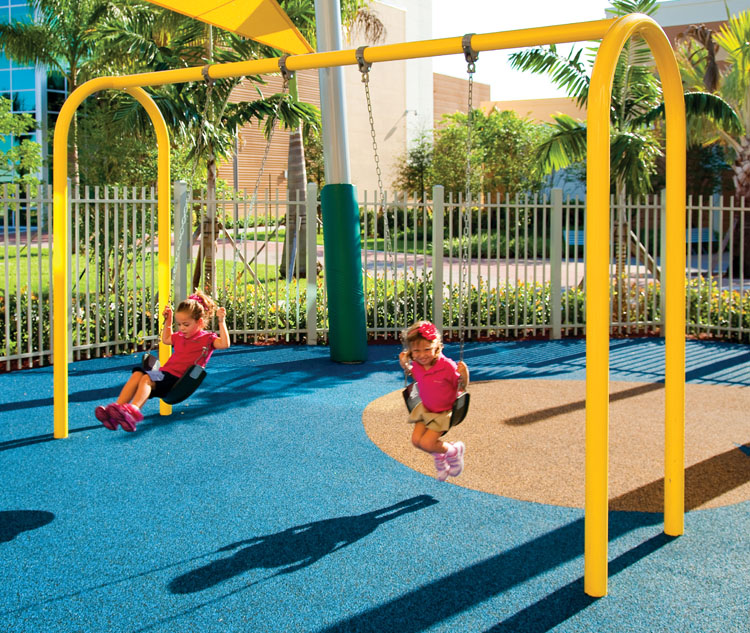
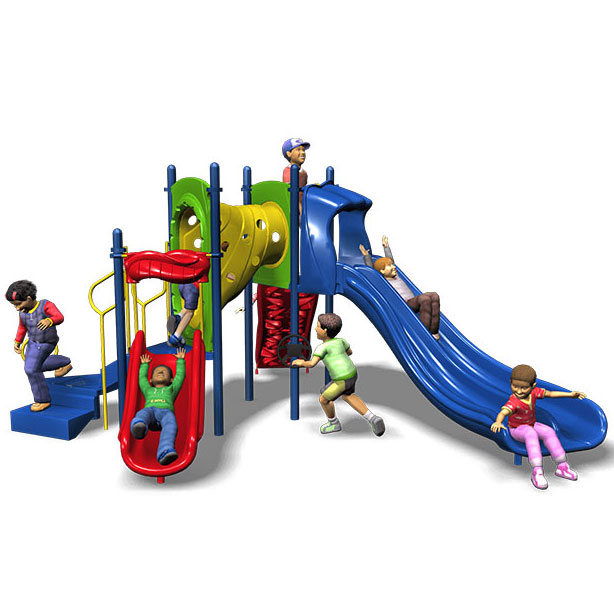
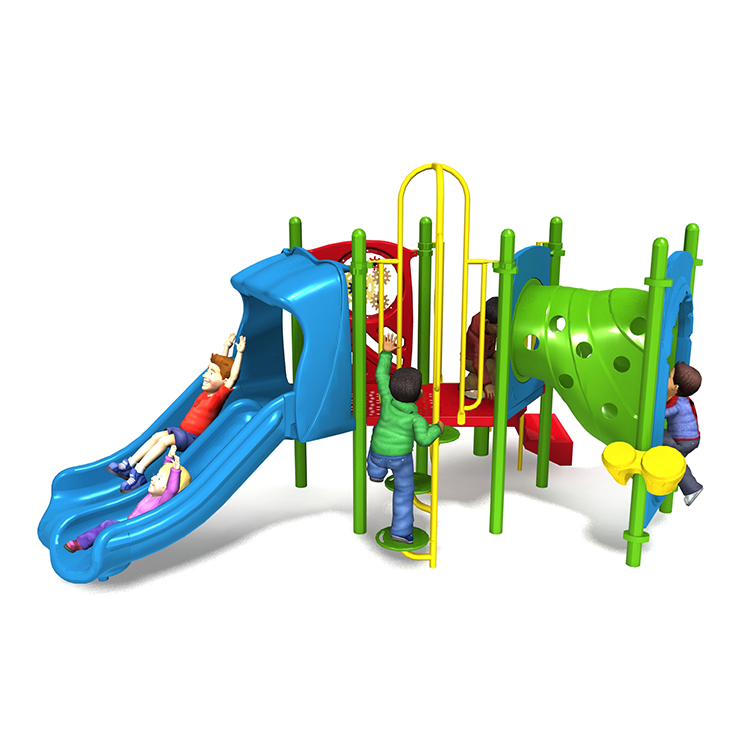
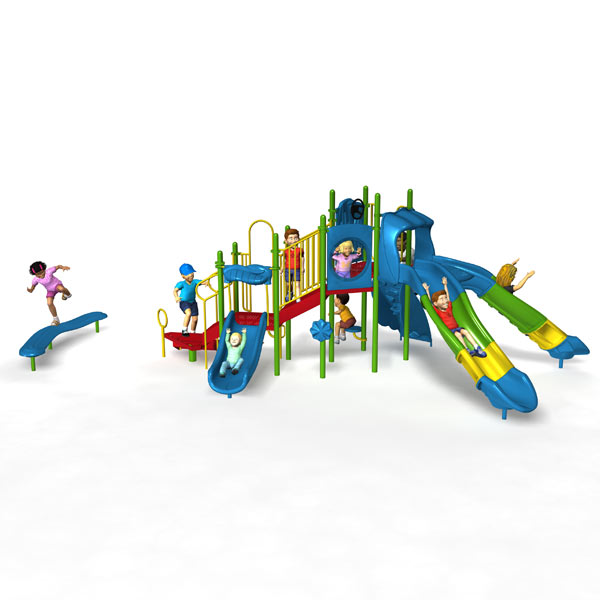
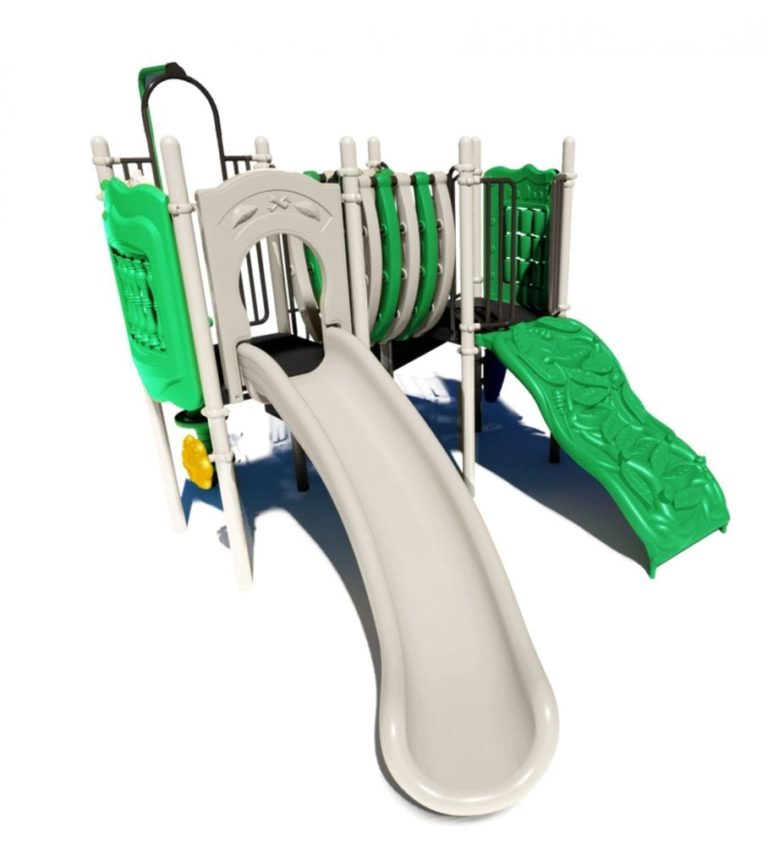
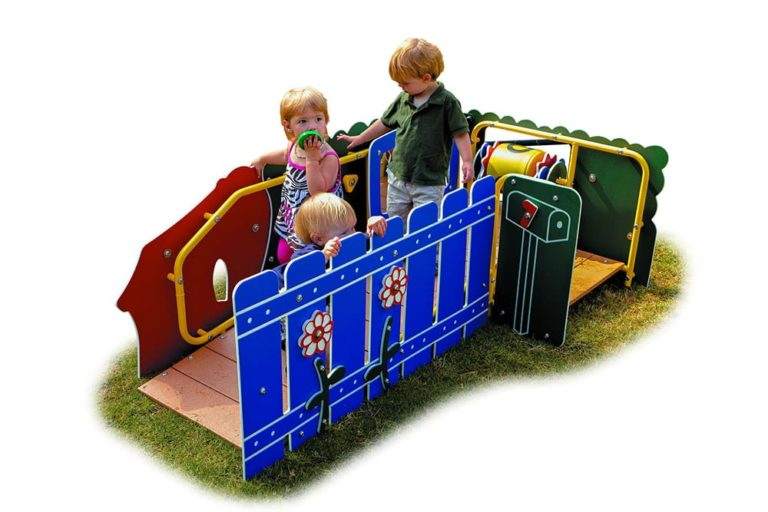
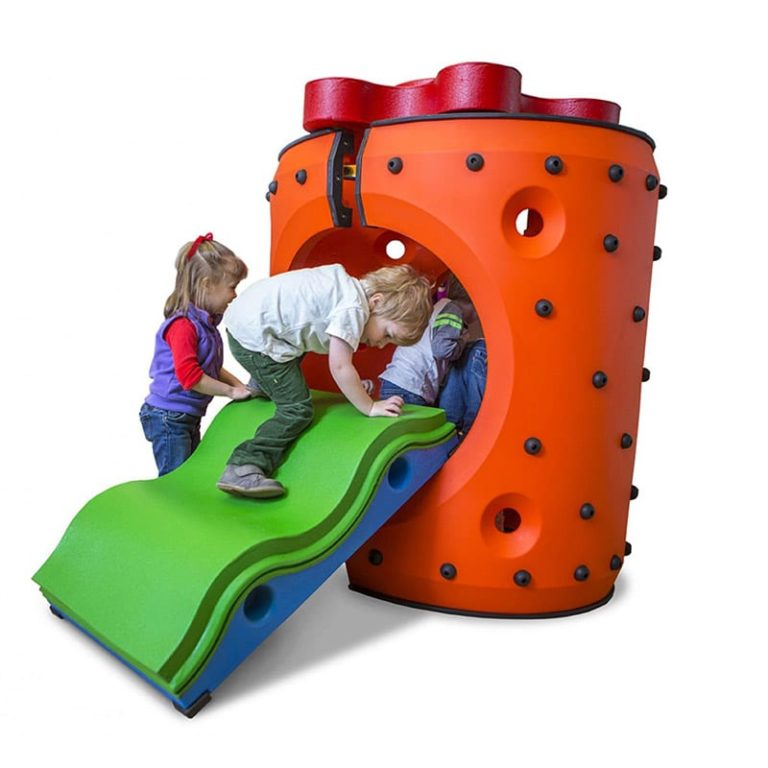
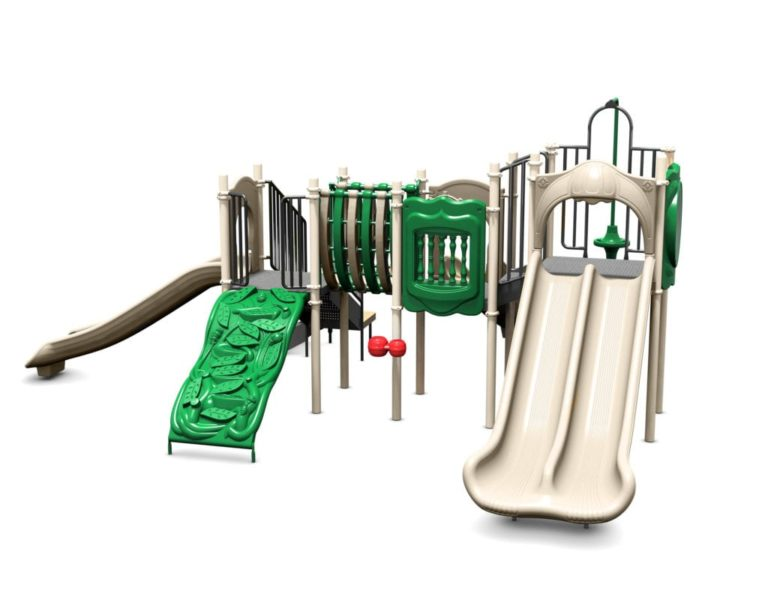
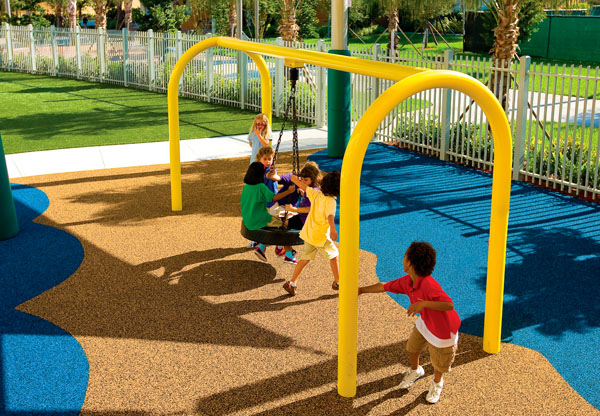
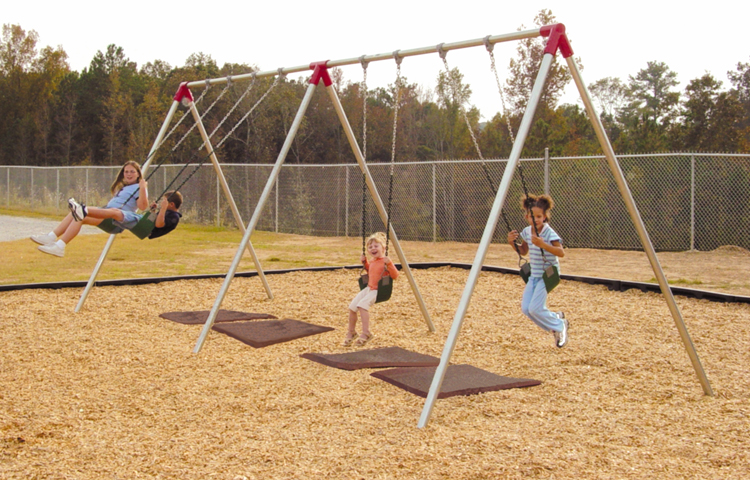
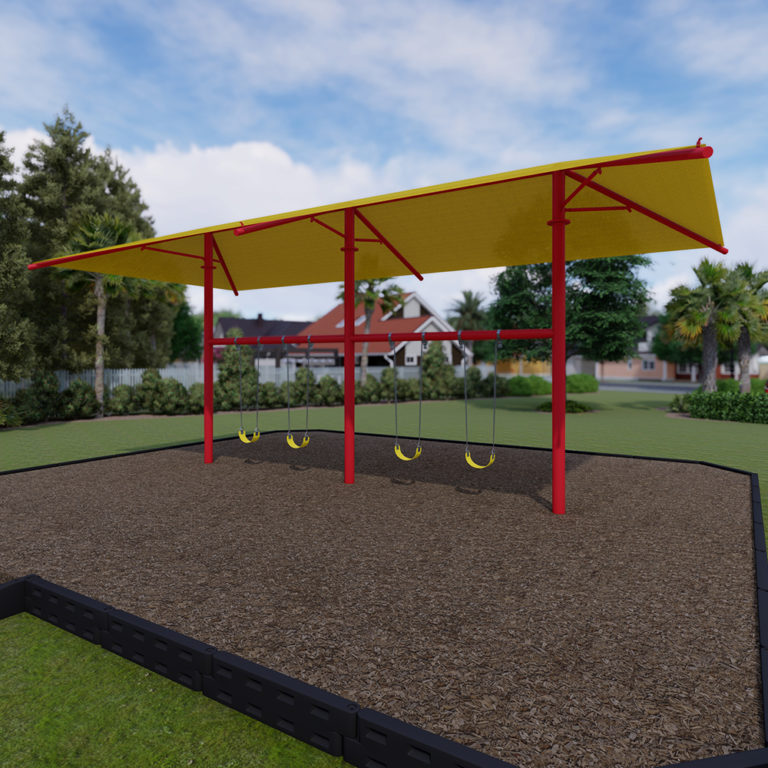
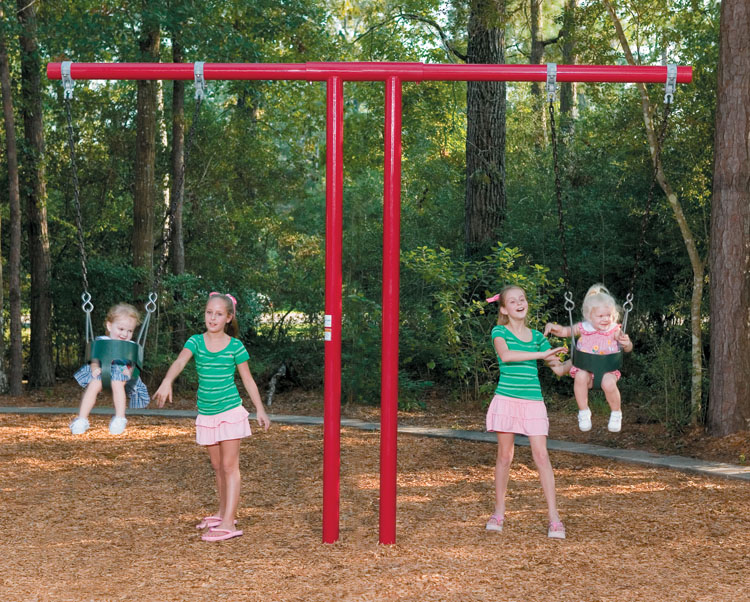
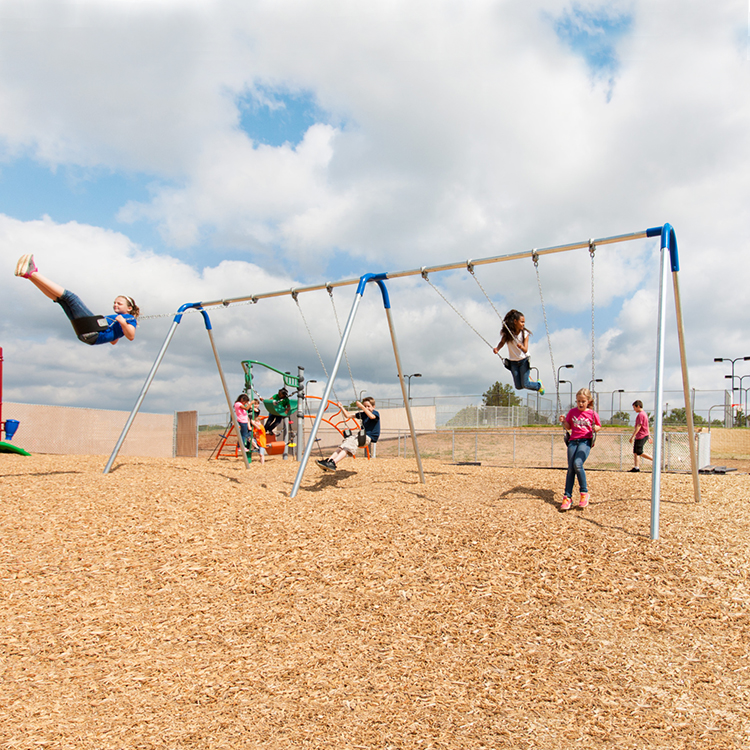
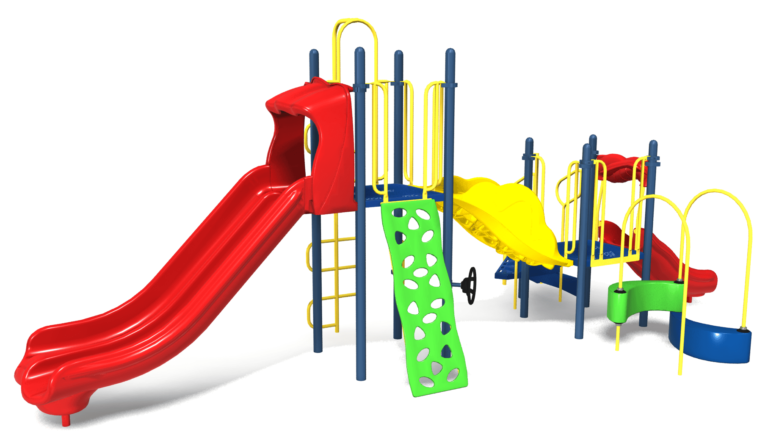
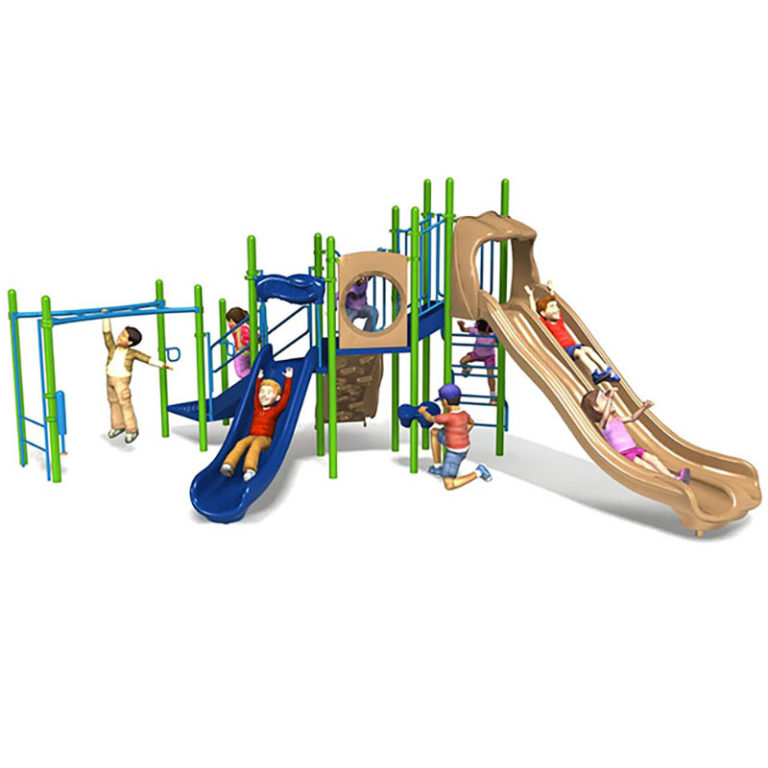
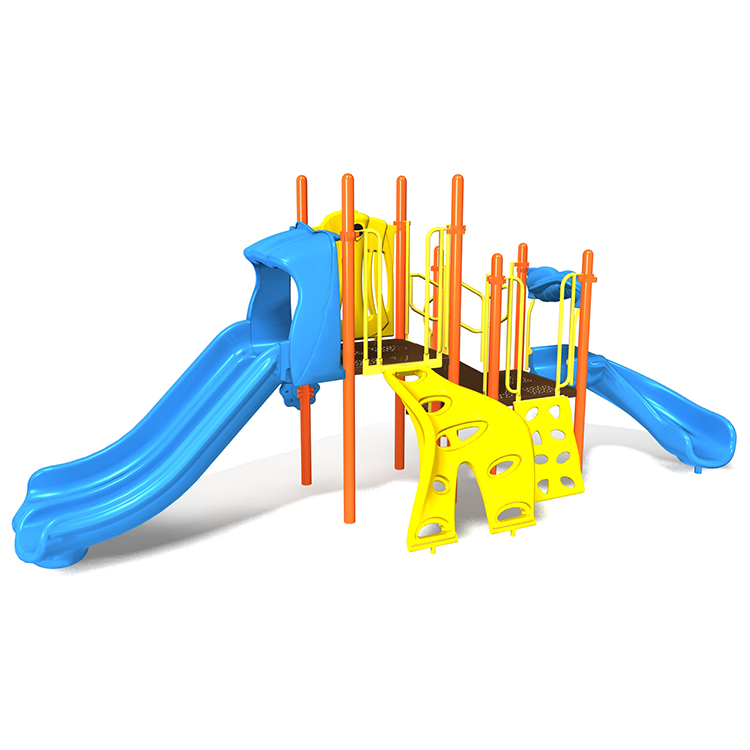
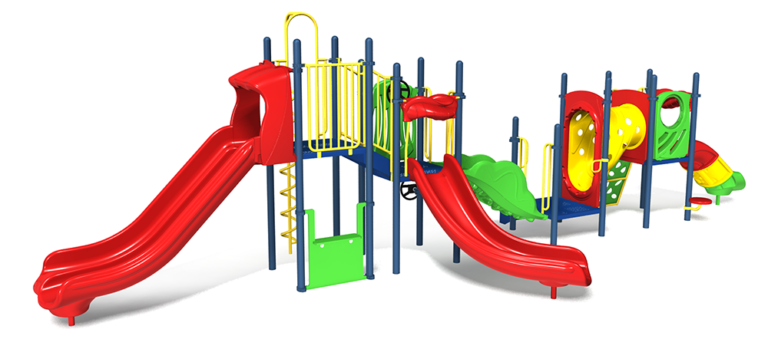
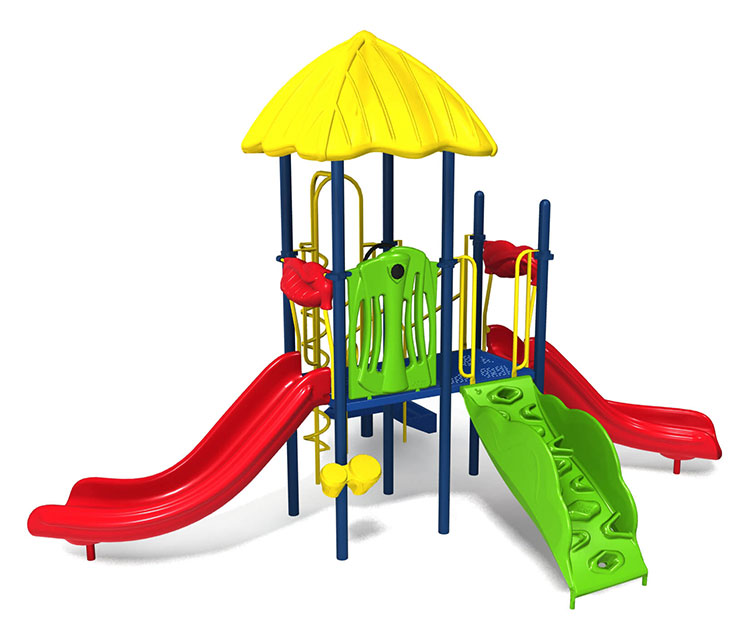
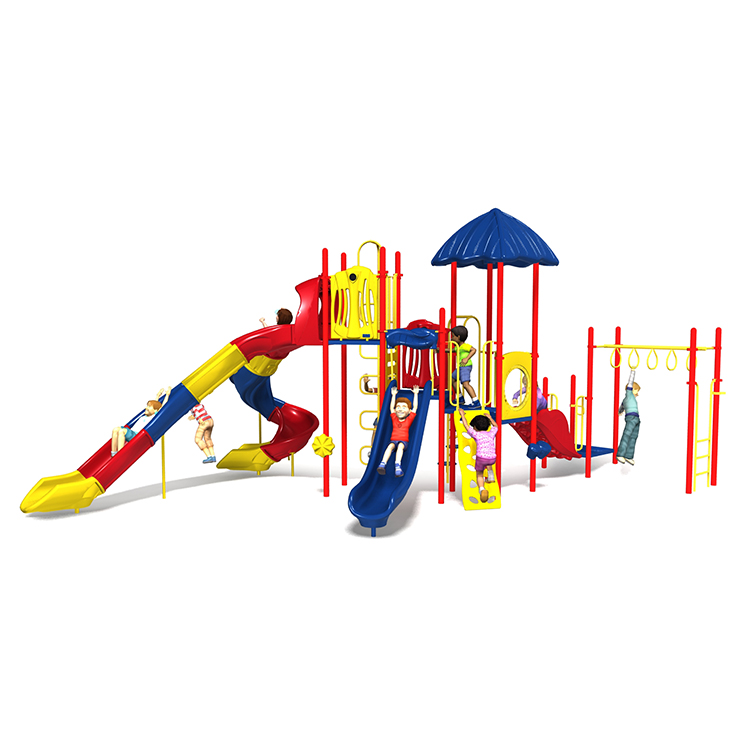
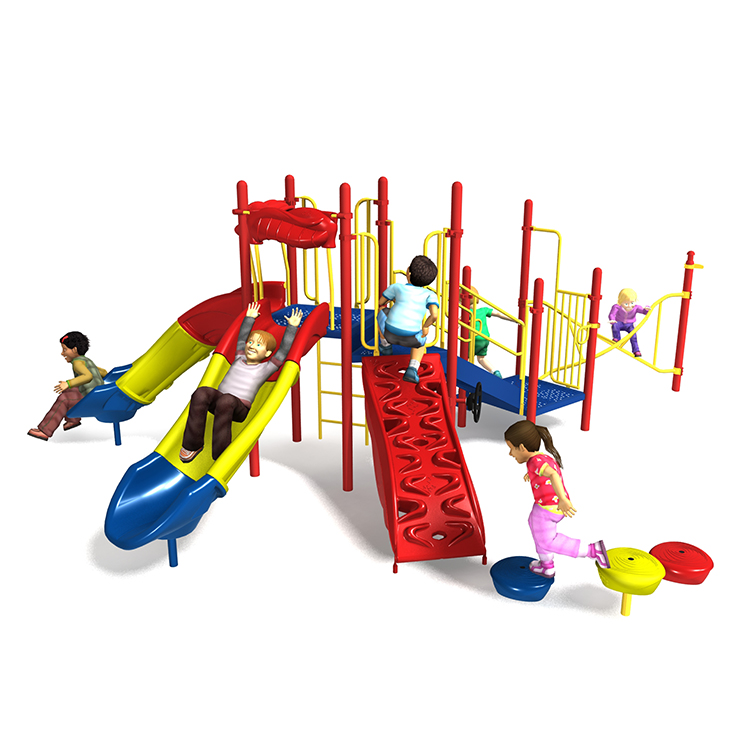
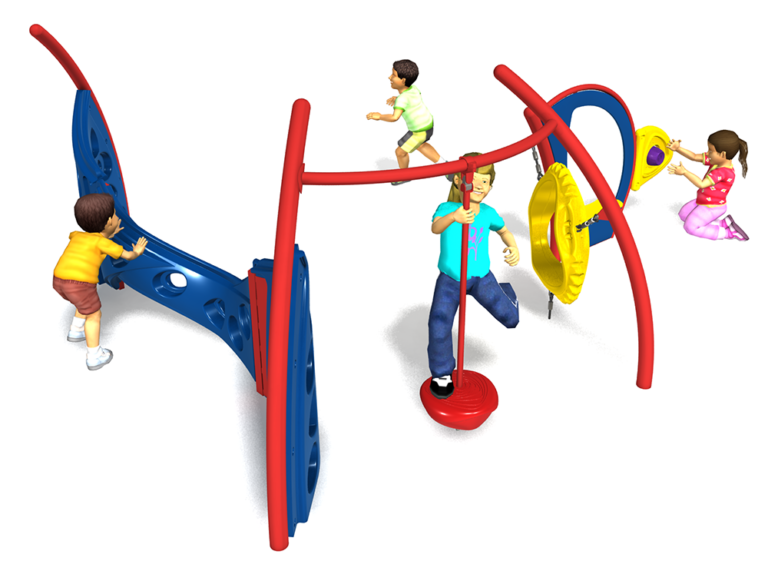

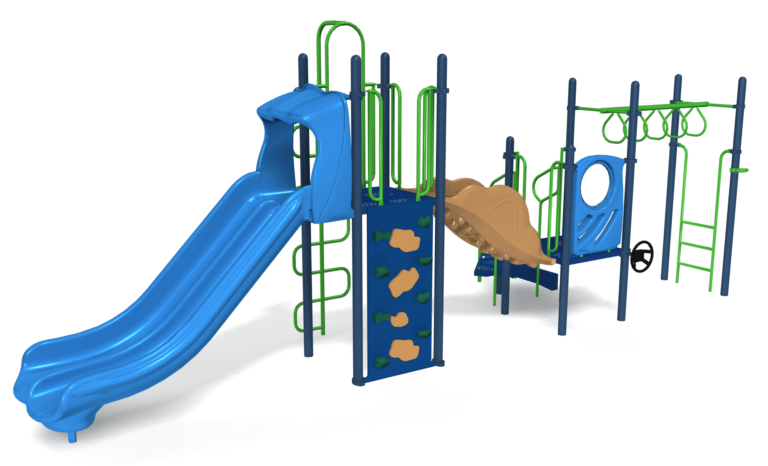
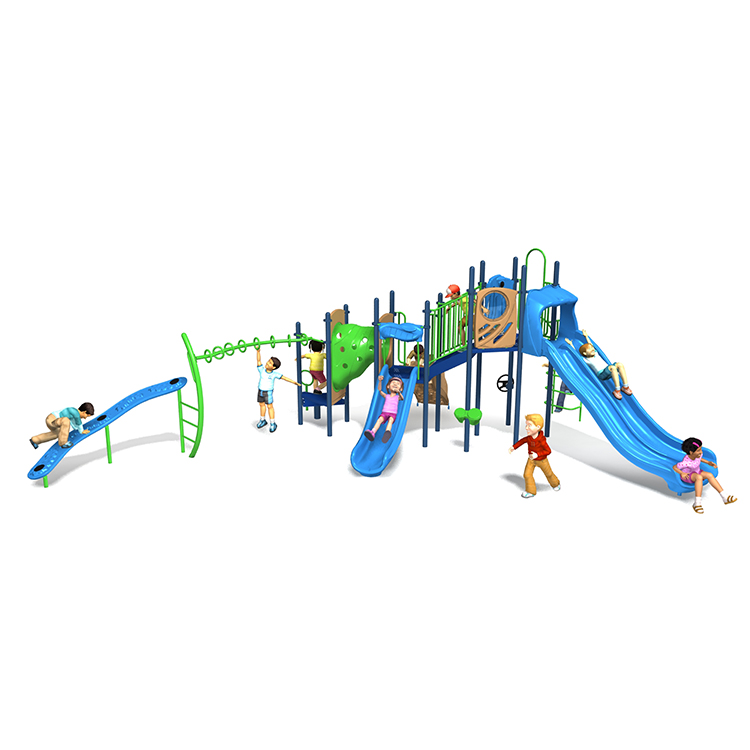
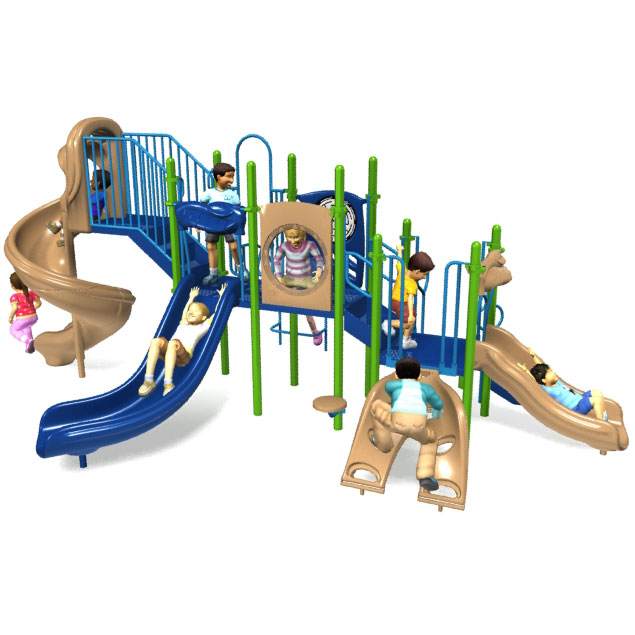
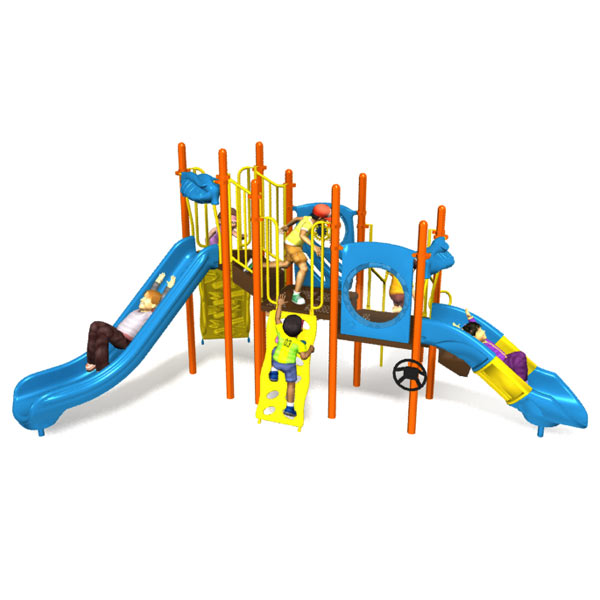
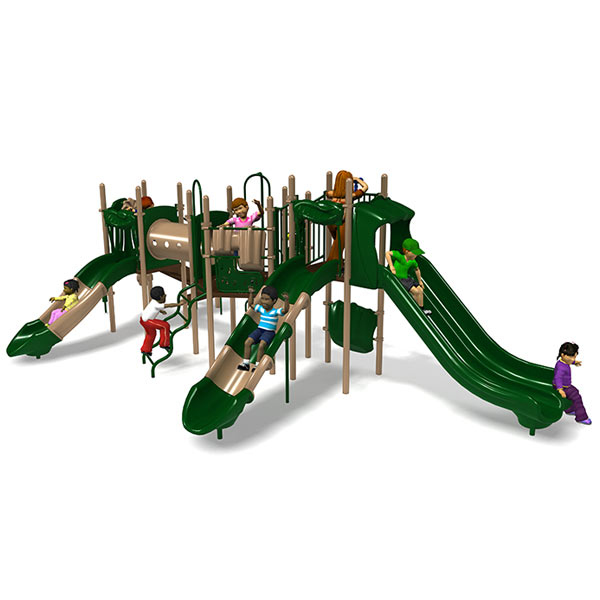

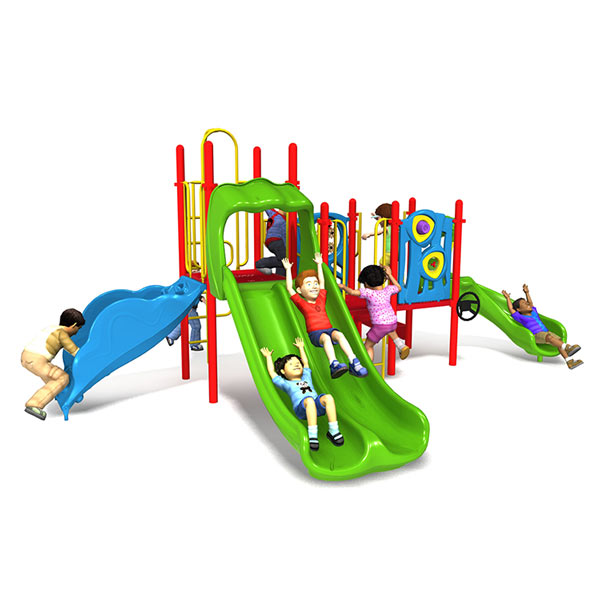
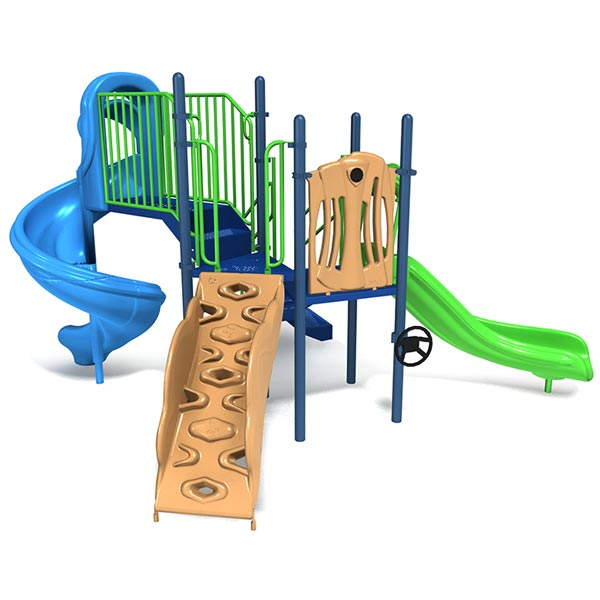
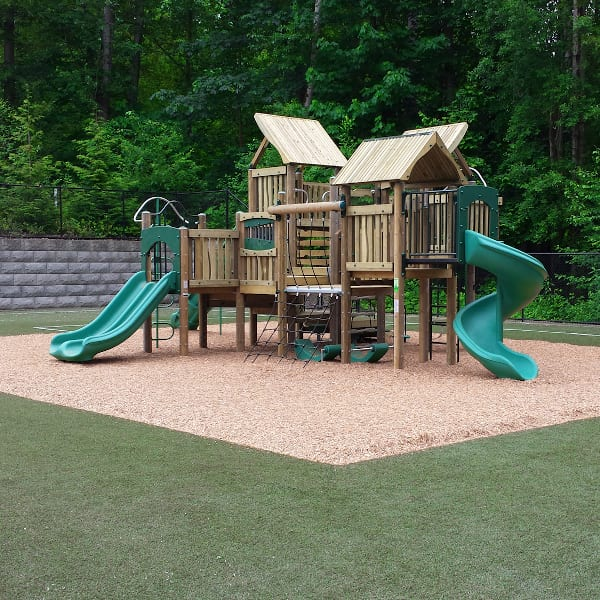
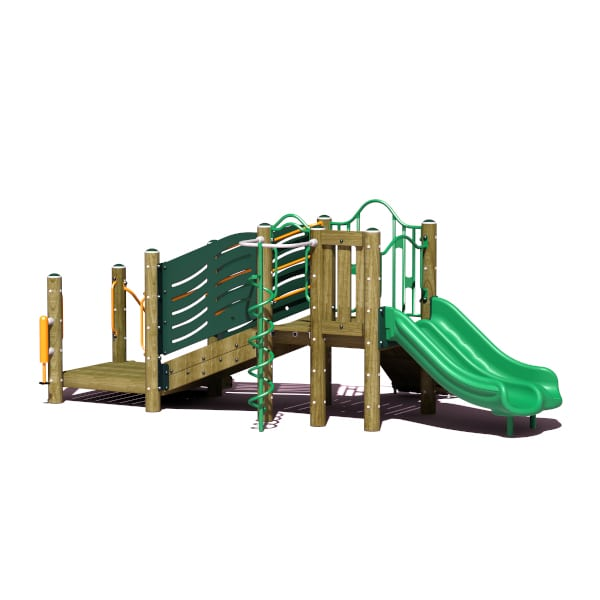
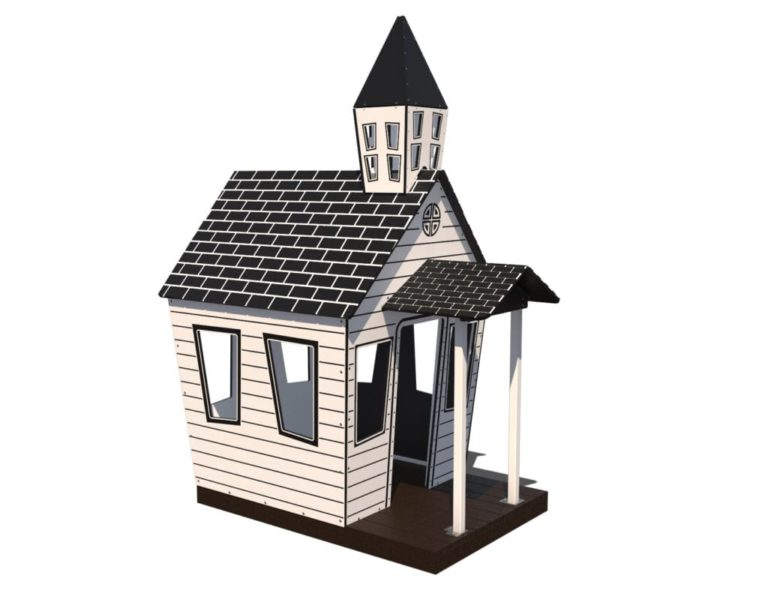
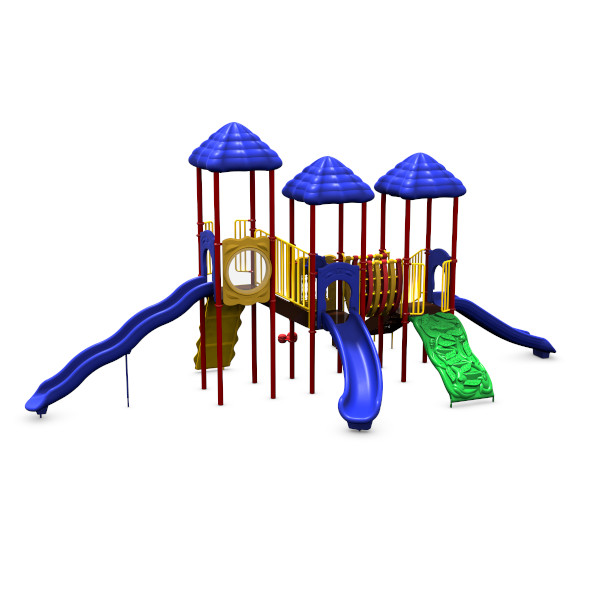
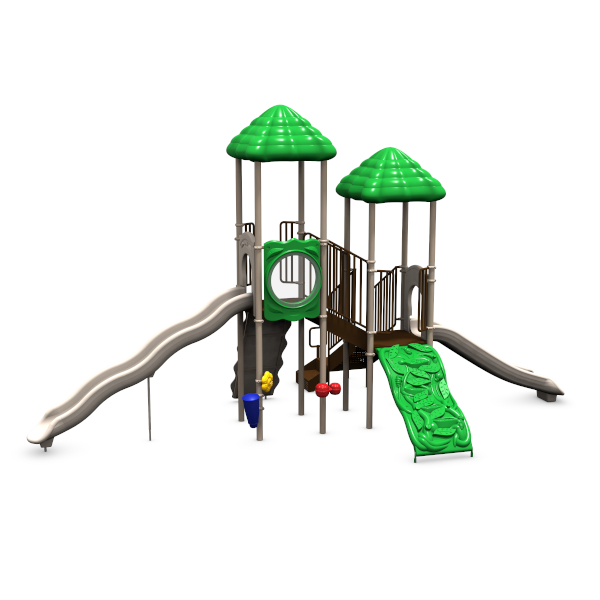
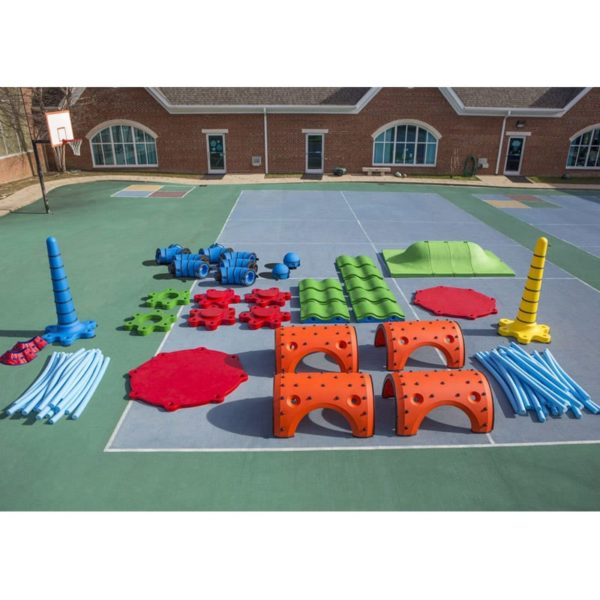
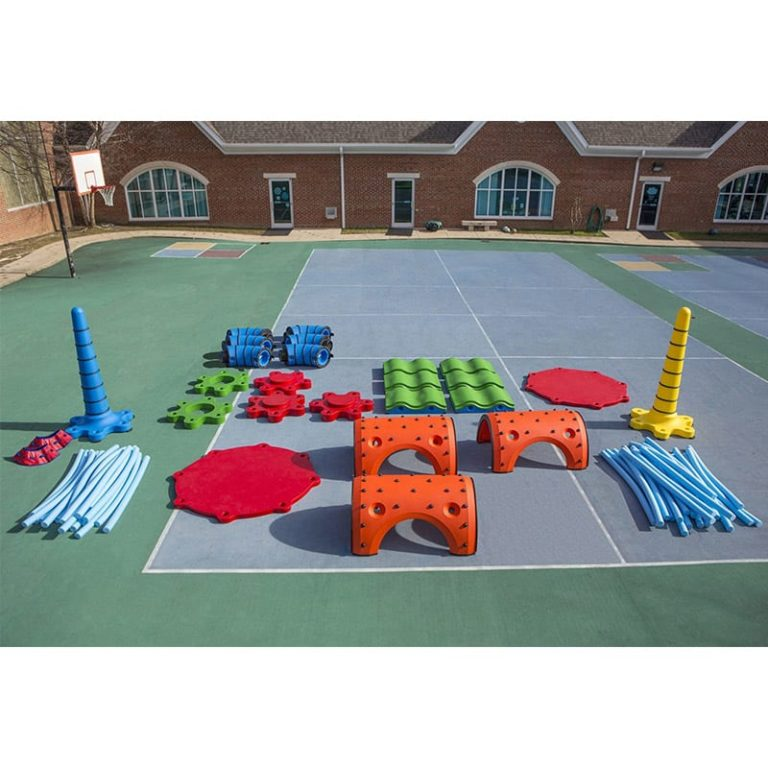
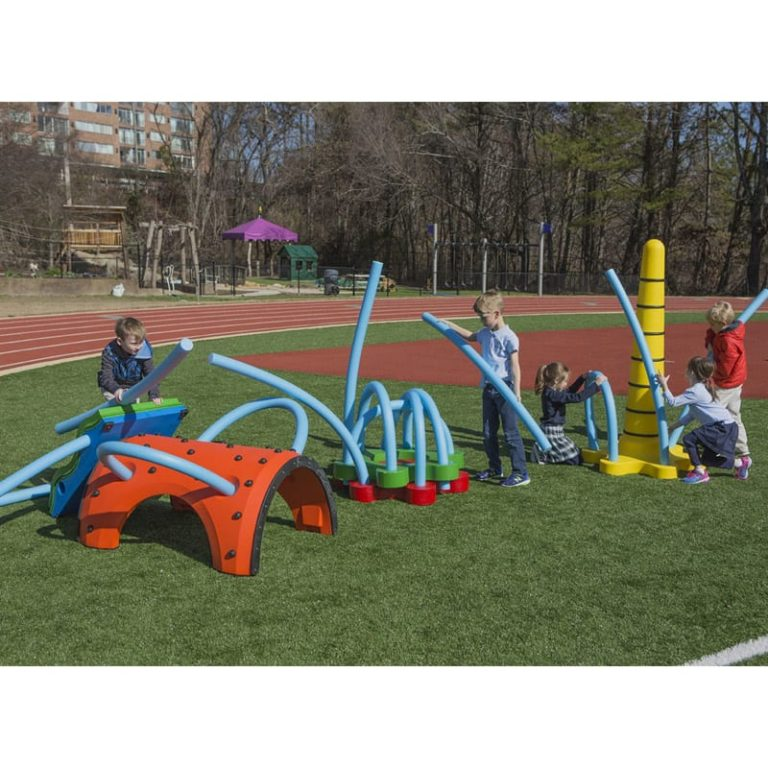
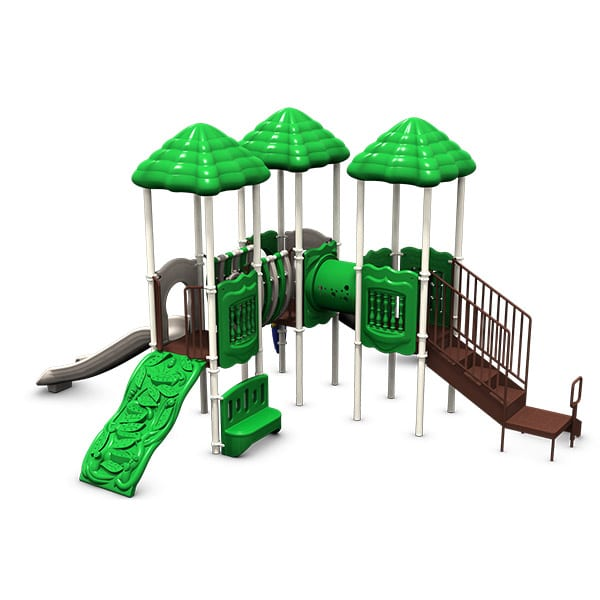
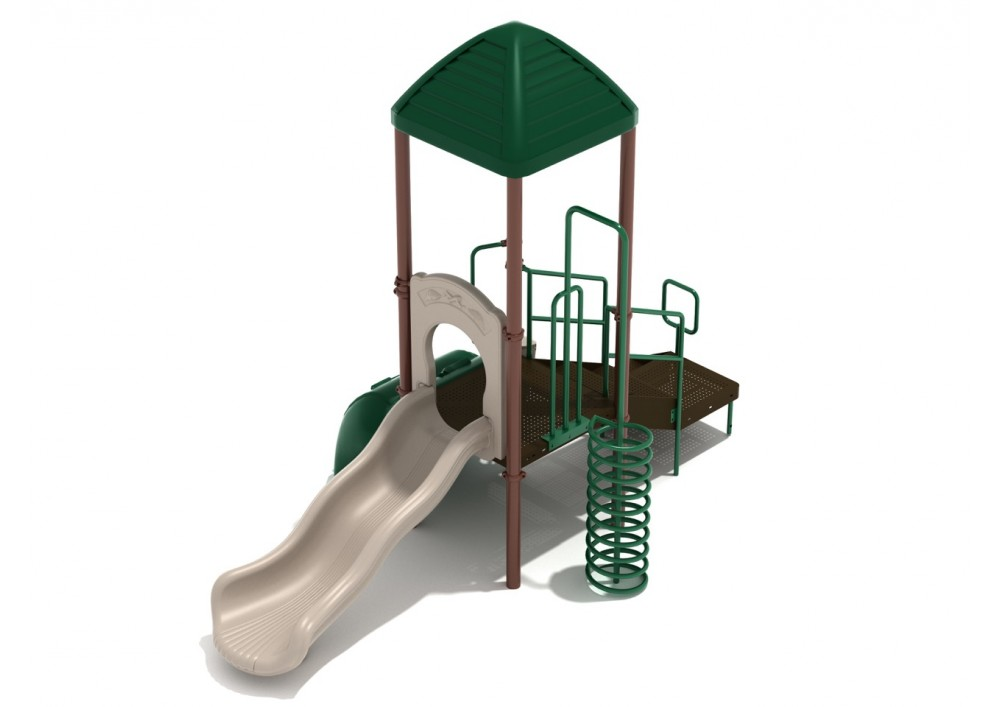
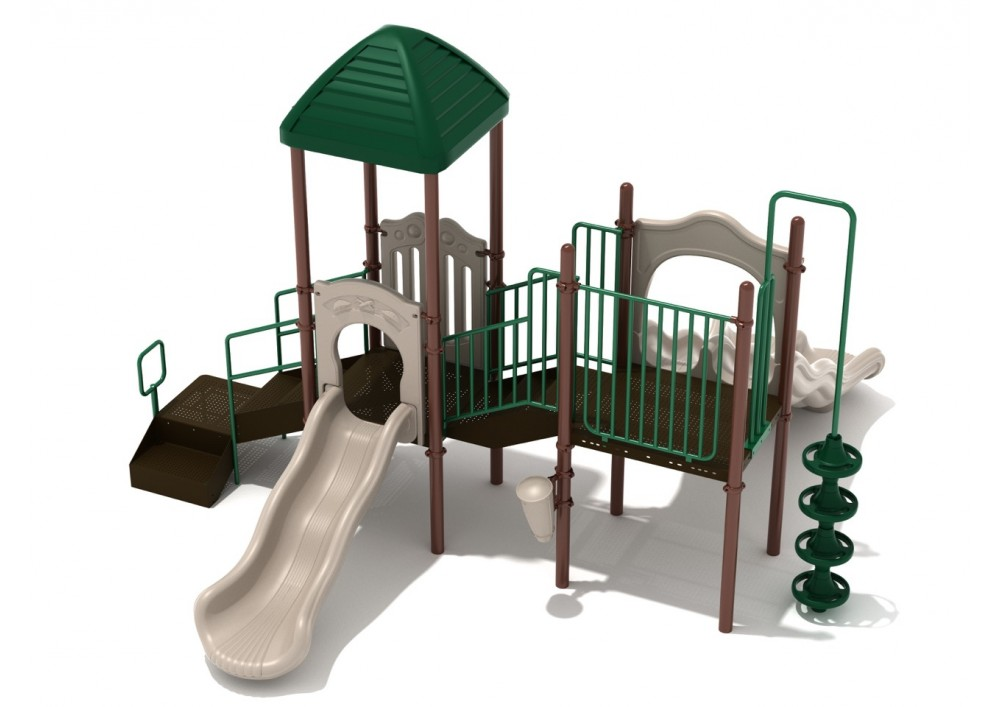
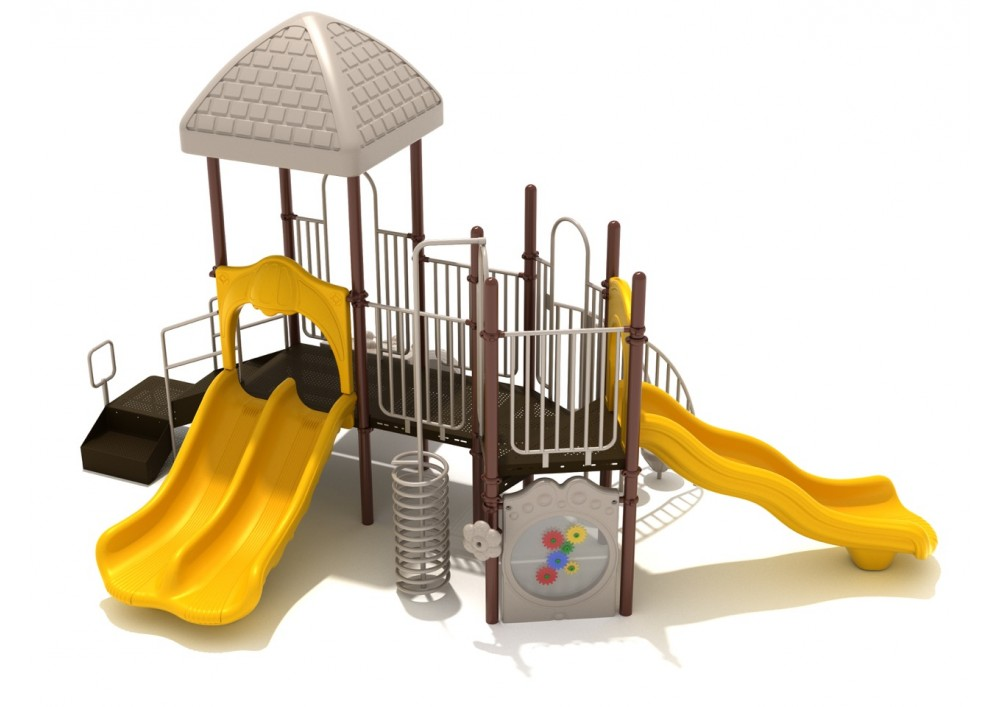
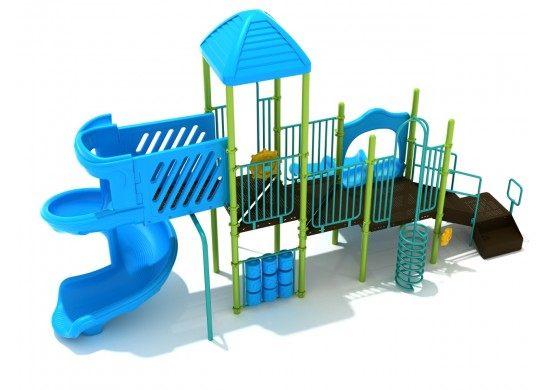
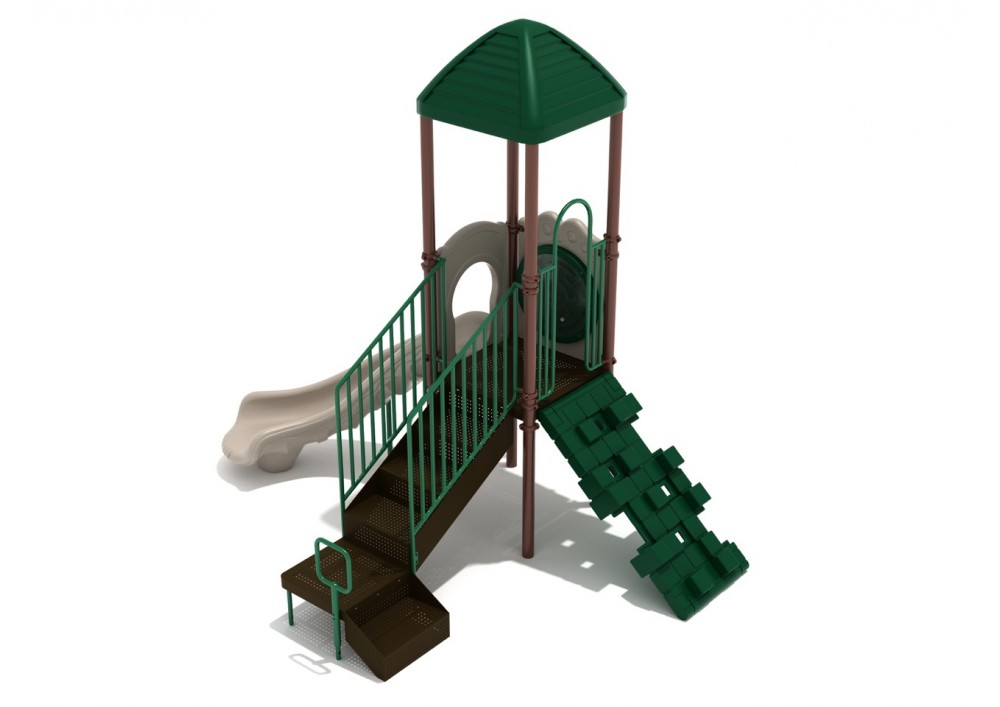
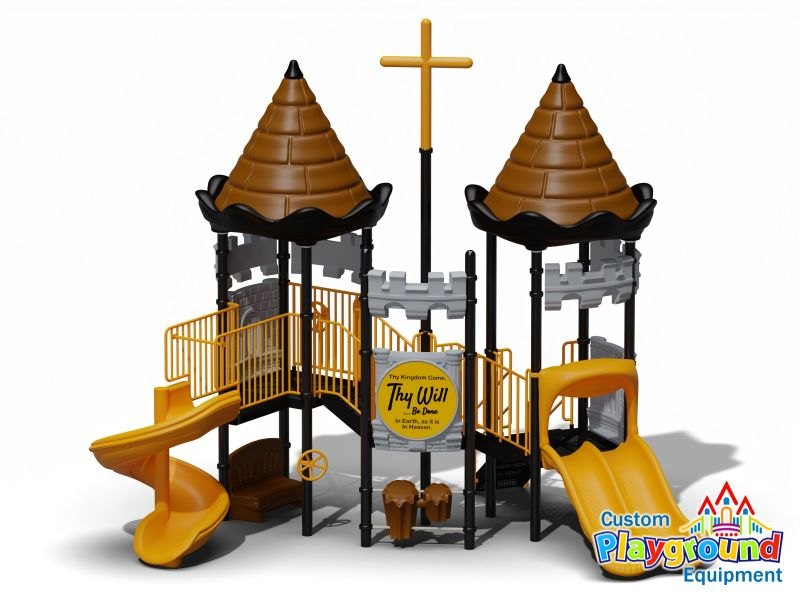
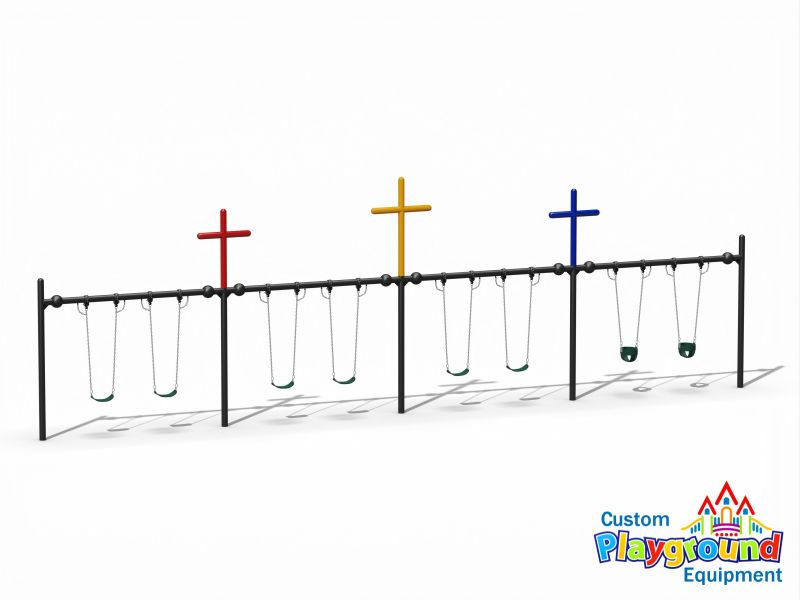
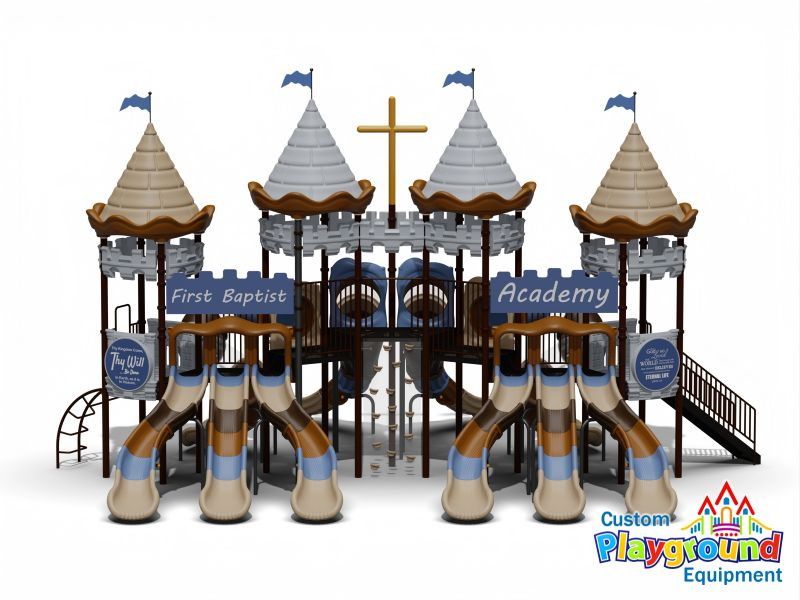
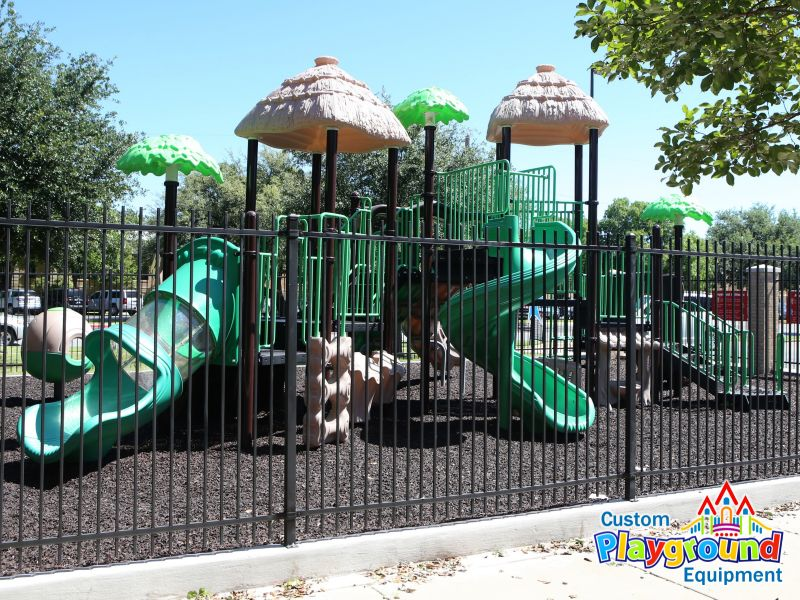
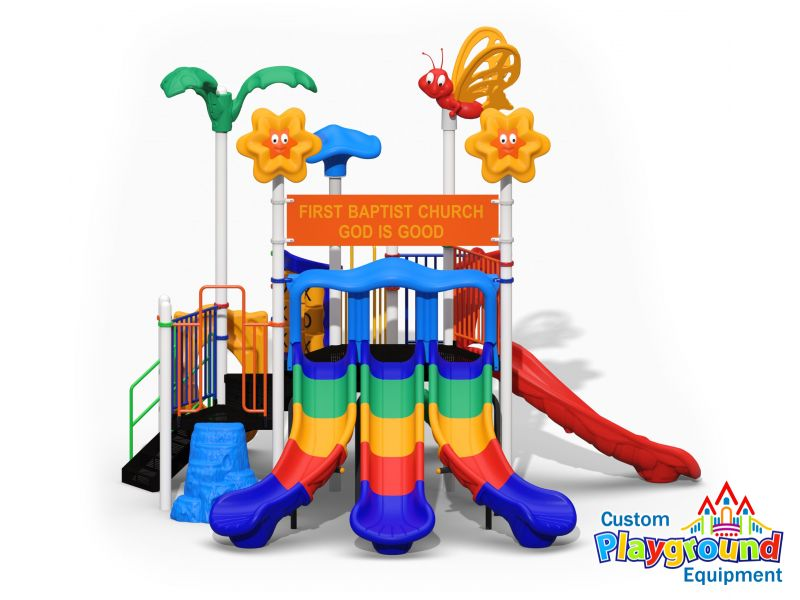
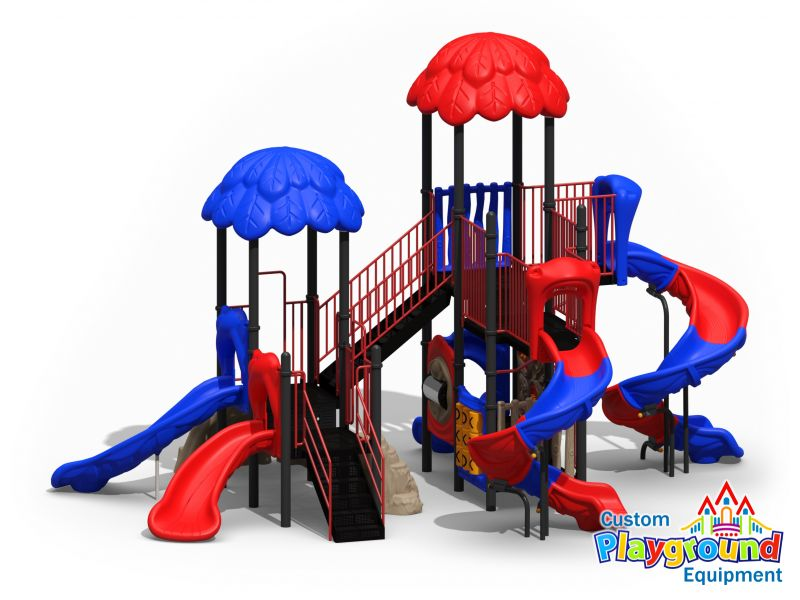
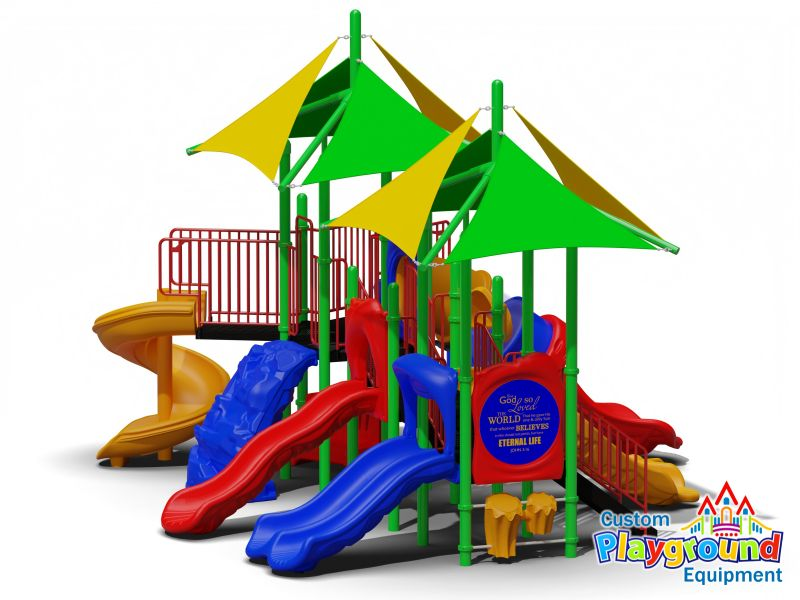
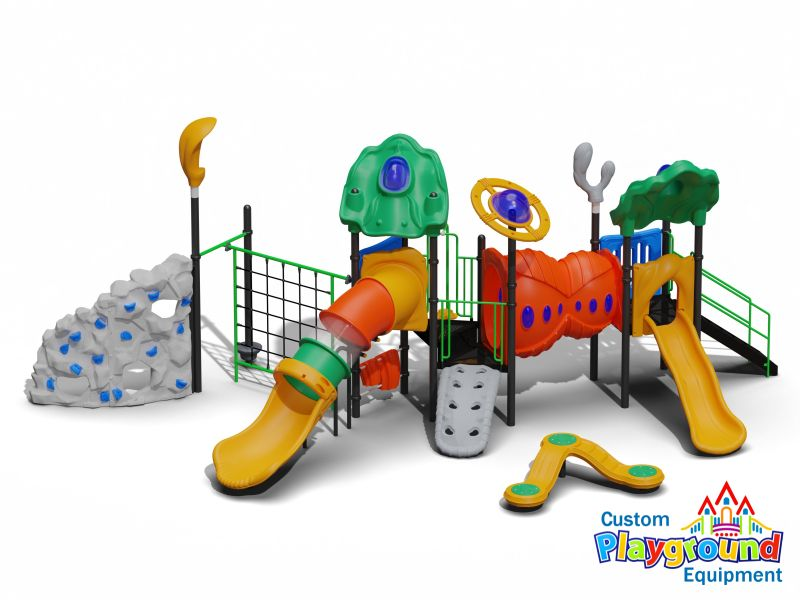
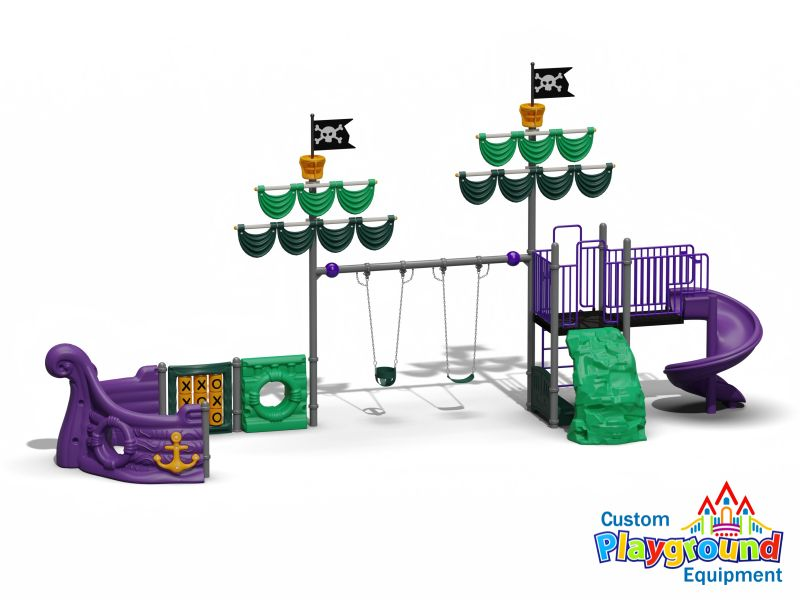
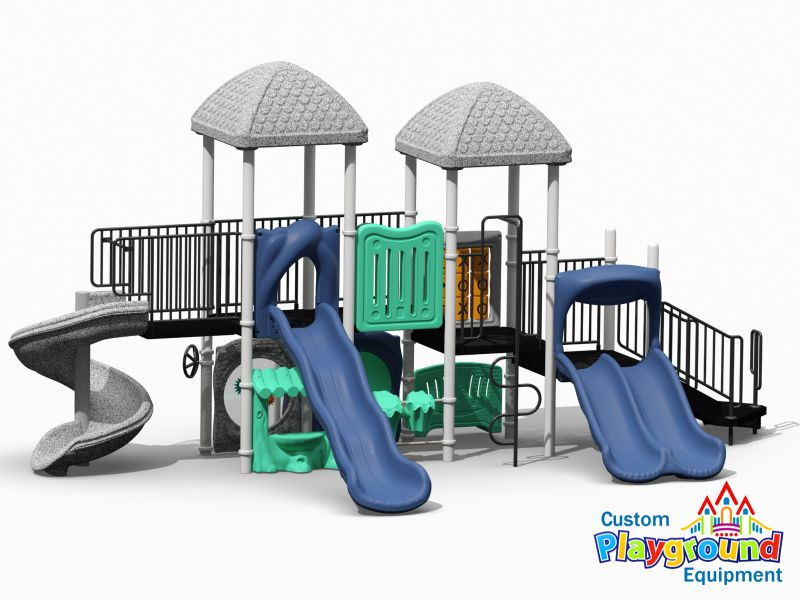
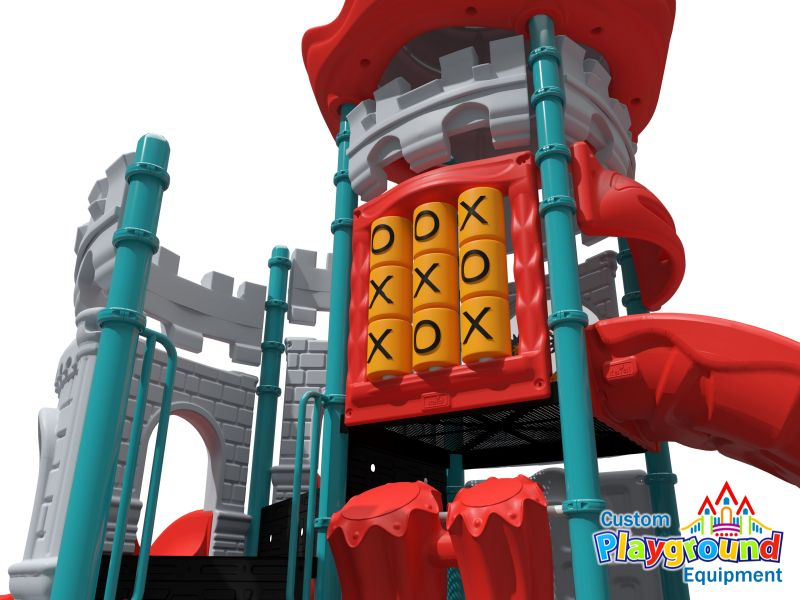
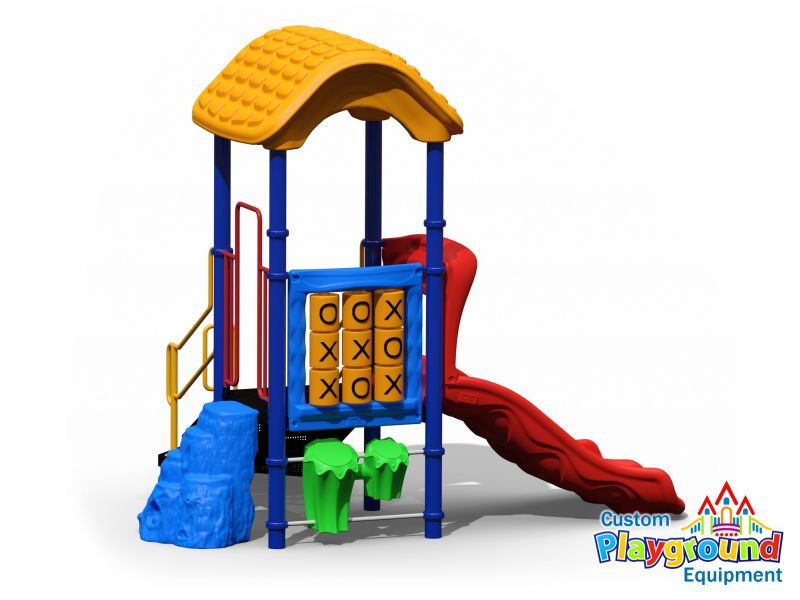
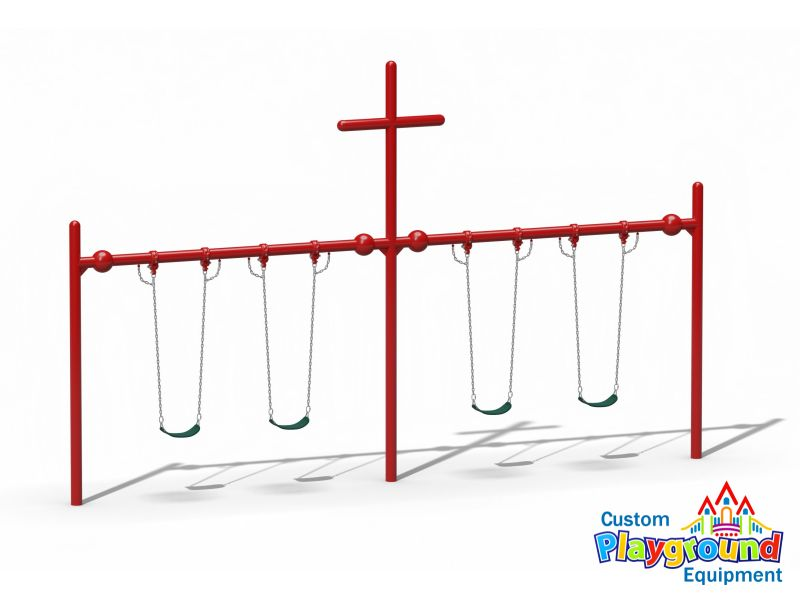
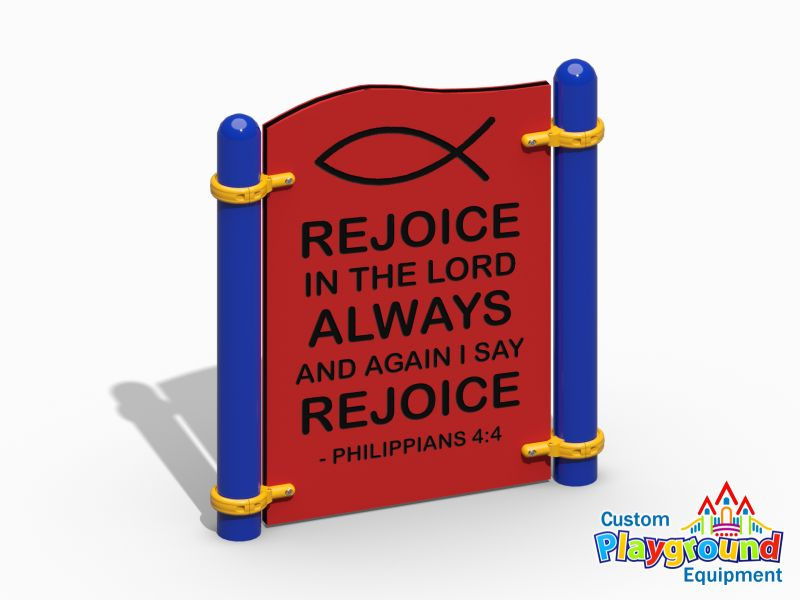
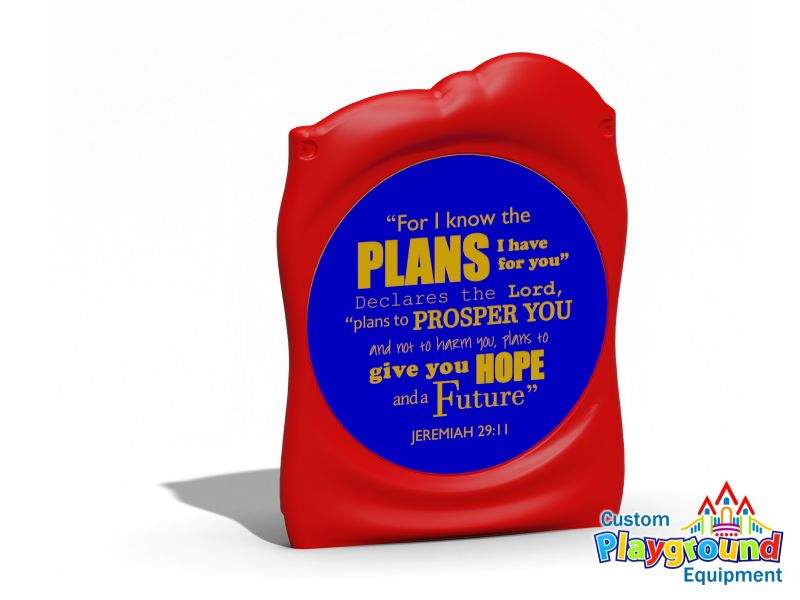


 Let’s look at a comprehensive history of the product, diving into it’s


