As winter weather sets in, ensuring playground safety becomes even more critical for school administrators. Here are seven essential tips to keep your students safe during winter recess.
Conduct Daily Surface Inspections Start each day by checking playground surfaces for ice patches, snow buildup, or frozen puddles. Pay special attention to areas under and around equipment where ice tends to form. Consider designating specific staff members for these morning inspections.
Establish Temperature Guidelines Create clear policies about outdoor recess temperature thresholds. Factor in both actual temperature and wind chill when making decisions. Many schools use 20°F (-6°C) as a minimum threshold, but consider your local climate and student population when setting guidelines.
Maintain Proper Drainage Ensure playground areas have adequate drainage to prevent water accumulation that could freeze. Regular maintenance of drainage systems helps prevent dangerous ice formation and prolongs the life of playground surfaces.
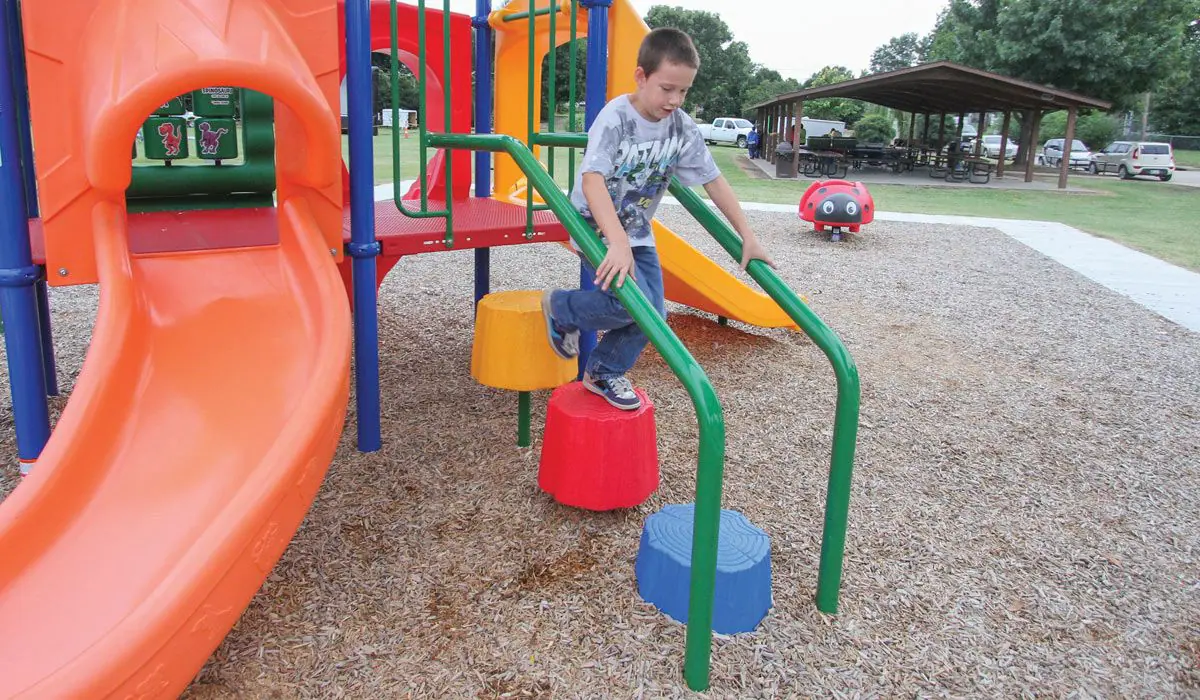
Implement Equipment Restrictions Some playground equipment becomes particularly hazardous in winter conditions. Consider restricting access to metal slides, climbing structures, or equipment with platforms elevated more than 4 feet during icy conditions. Clear signage should indicate which equipment is off-limits.
Require Appropriate Winter Gear Enforce strict clothing requirements for winter recess. Students should wear warm coats, gloves, hats, and appropriate footwear with good traction. Keep extra sets of winter gear on hand for students who might need them.
Train Playground Supervisors Provide specific winter safety training for staff who supervise recess. Include guidance on identifying dangerous conditions, enforcing safety rules, and responding to cold-weather emergencies. Supervisors should also know signs of frostbite and hypothermia.
Create Snow Removal Protocols Develop clear procedures for snow removal, including which areas need to be cleared first and what de-icing products are safe to use around children and playground equipment. Ensure paths to and from the playground are also maintained.
By implementing these guidelines, administrators can help ensure their playgrounds remain safe spaces for winter recreation while minimizing the risk of cold-weather injuries.
A Game-Changing Solution for Playground Safety: The Jelly Bean Mat
Playgrounds are more than just spaces for children to have fun – they’re environments where safety, sustainability, and smart design come together. Enter the Jelly Bean Mat, a revolutionary playground surface solution that’s changing the way we think about ground protection under swings and slides.
Why Ground Coverage Matters
Every parent and playground designer knows that the area beneath high-traffic play equipment experiences the most wear and tear. The Jelly Bean Mat addresses this critical zone with an innovative approach. Perfectly sized at 3×4 feet, this mat is strategically designed to cover the exact area where feet meet the ground, providing maximum protection and durability.
Built to Perform, Engineered to Last
What sets the Jelly Bean Mat apart isn’t just its size, but its thoughtful construction. Here are the key features that make this mat stand out:
Sustainable Materials: Crafted from non-toxic, recycled virgin rubber, the mat represents a commitment to environmental responsibility.
American-Made Quality: Manufactured entirely in the USA, ensuring high standards of production and supporting local manufacturing.
Intelligent Design: A perforated ground-side backing ensures the mat stays firmly in place, even under the most energetic play conditions.
Heavyweight Champion:Weighing an impressive 97 pounds, this mat isn’t going anywhere – it’s built to remain stable and protective.
More Than Just a Mat
The Jelly Bean Mat isn’t just a playground accessory; it’s a comprehensive safety solution. By providing a consistent, cushioned surface, it helps reduce wear on the ground, minimizes dust and debris, and creates a safer play environment for children.
Pricing That Makes Sense
Understanding that playgrounds often need multiple mats, the company offers a compelling five-pack option. Priced competitively and shipped free, it’s an attractive solution for schools, parks, and community spaces looking to upgrade their playground safety.
The Bigger Picture
In an era where sustainability and safety go hand in hand, the Jelly Bean Mat represents more than just a product. It’s a statement about caring for our children’s play environments, choosing eco-friendly materials, and investing in quality that lasts.
Whether you’re a parent, a playground designer, or a community leader, the Jelly Bean Mat offers a smart, sustainable solution for playground ground coverage.
Interested in transforming your playground’s safety and sustainability? The Jelly Bean Mat might just be the solution you’ve been looking for.
When thinking about school playground safety surfaces, it is important to weigh and measure your options carefully.
Think about what is at stake – school monetary investment, teacher and community buy-in, liability and warranty concerns, and of course the fall safety rating of said surface.
Recycled rubber mulch is a popular option for schools to consider, and we’ve taken the time to break down 14 key points as to why it might work for your school playground.
Environmental Benefits: Recycled rubber mulch repurposes millions of waste tires annually, reducing landfill waste and promoting sustainable playground solutions.
Safety Advantages: Rubber mulch provides superior shock absorption, significantly reducing injury risks from falls compared to traditional playground surfaces.
Durability and Longevity: Unlike wood mulch, rubber mulch doesn’t decompose, rot, or attract insects, maintaining its protective qualities for many years.
Cost-Effectiveness: While initial installation costs are higher, rubber mulch’s long-term durability means lower replacement and maintenance expenses over time.
Accessibility for Children: The consistent, even surface of rubber mulch makes playgrounds more accessible for children with mobility challenges.
Weather Resistance: Rubber mulch doesn’t wash away during heavy rain, maintains its shape in extreme temperatures, and provides excellent drainage.
Hygienic Surface: The non-porous nature of rubber mulch prevents mold growth and reduces bacterial accumulation compared to organic materials.
Color Variety: Available in multiple colors, rubber mulch can enhance playground aesthetics while meeting safety standards.
Temperature Regulation: Rubber mulch doesn’t become extremely hot in sunlight, providing a more comfortable surface for children.
Compliance with Safety Standards: When properly installed, recycled rubber mulch meets ASTM International safety guidelines for playground surfaces.
Pest Deterrence: Unlike wood mulch, rubber material doesn’t attract insects or provide habitats for small pests.
Potential for Customization: Rubber mulch can be tailored to specific playground designs and safety depth requirements.
14. Community and Educational Impact: Using recycled materials demonstrates environmental responsibility and provides an educational opportunity about sustainability.
Data Points to Consider
A playground is where students make the most of their recess time. Making it safe, from equipment to surfaces, can turn the school playground into a fun learning space and a haven for the students to explore during their pastime in a valuable way.
Safety surfaces are vital to playground safety. Selecting a surface for a school playground involves balancing protection, durability, aesthetics, and cost. Familiarizing yourself with each playground surface the market offers can help finalize the playground surface that is perfect for your preferences.
TABLE OF CONTENTS
SAFETY SURFACING
CHOOSING THE RIGHT PLAYGROUND SURFACES
MAINTAINING SAFETY ON SURFACES
FINAL THOUGHTS
SAFETY SURFACING
The playground surface is not just the foundation but also plays an essential role in keeping a safe and enjoyable environment for students. Whether planning a new playground or upgrading the surfaces, you must familiarize yourself with the best surface option that perfectly blends with your preferences.
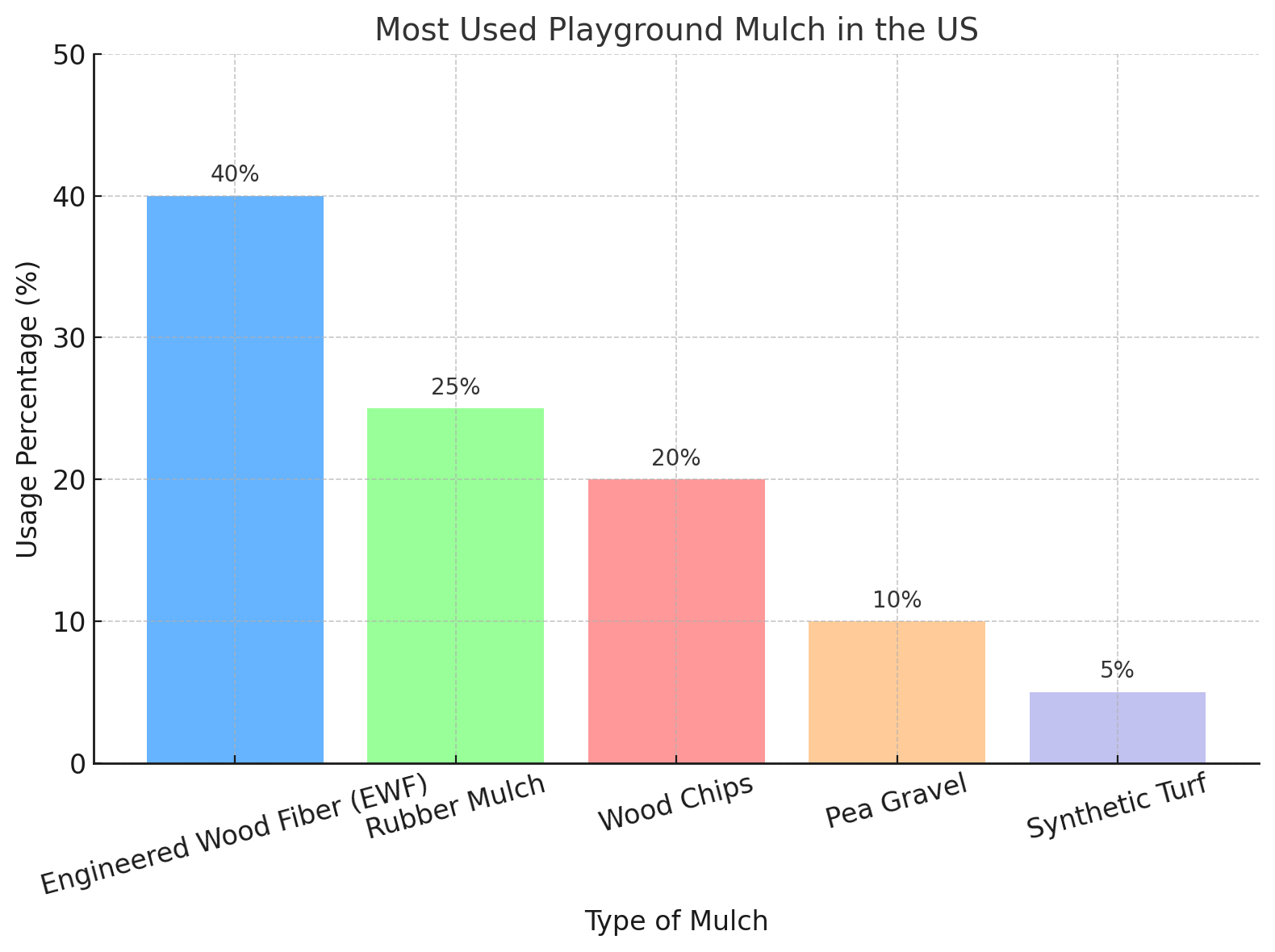
Here is a bar chart illustrating the common choices for school playground surfaces in the US
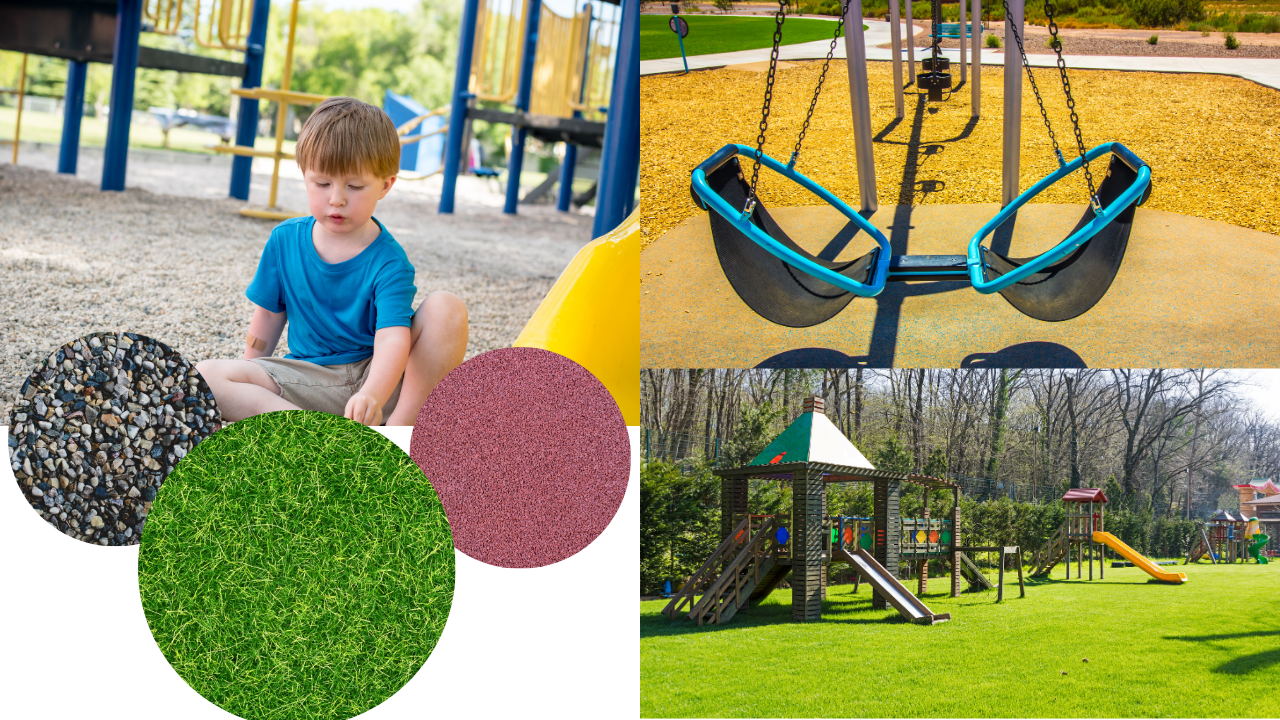
Poured-in-Place Rubber
Poured-in-place Rubber is seamless, durable, and versatile. You can customize it to the pattern of your choice.
Artificial grass is an aesthetic design that easily blends with the environment and a natural-looking playground surface. That provides soft and cushioned landing surfaces.
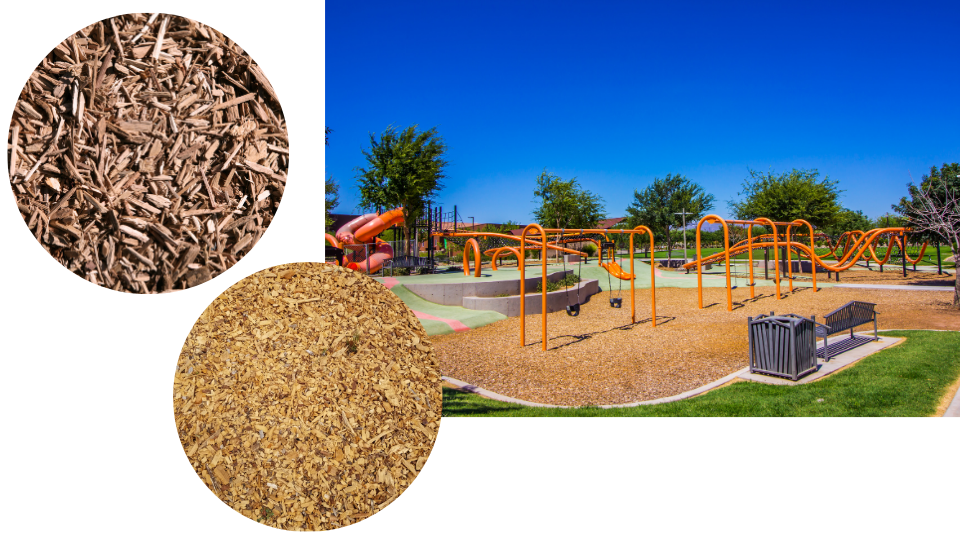
Rubber Mulch is eco-friendly, durable, and famous for school playground surfaces. It is made from recycled tires that give excellent shock absorption, reducing the risk of fall injuries.
Engineered wood fiber has a natural look that easily blends with the environment. It is undoubtedly affordable but requires frequent maintenance. The refined wood fiber provides a soft playground surface with the required depth.
Sand is a good choice for playground surfaces. It offers a soft landing that blends with environment and a play opportunity anywhere where students can dig, build, and explore but need frequent debris checking.
Whatever you choose, it can make a difference in creating a space where kids can spend their time during breaks, a great chance to explore and grow. With the material, you’ll not only give safety to the students but also create a spark and joy for all.
Which school playground fits with the school’s preference?
CHOOSING THE RIGHT PLAYGROUND SURFACES
Choosing a suitable surface for a school playground balances safety, durability, aesthetics, and cost. It is an important decision that will lead to a great play experience and long-term maintenance and accessibility of the school playground.
Here are the guides that will lead you to the best choice for your school playground surface;
Safety
Safety is the top priority. Choose a playground surface that provides excellent shock absorption and minimizes injury risk. The best options are poured-in-place rubber, rubber mulch, and engineered wood fiber.
Match the surfacing option to the height of playground equipment and the standard depth requirements.
Cost
Playground surfaces cost differently. Some schools prioritize safety and are budget-friendly. The best choices are sand, artificial turf, and engineered wood fiber.
On the other hand, a more significant investment can be a good choice,e but it offers durability and low maintenance costs.
Maintenance
Playground surfaces are heavily exposed and used primarily during school days. The foot traffic affects the surfaces, so when choosing, consider materials that can handle wear and tear and are easy to maintain.
Low-maintenance surfaces are artificial grass, rubber mulch, and poured-in-place rubbers.
Moderate maintenance surfaces are engineered wood fiber and sand that need regular replenishing and checking of debris.
Aesthetic & Eco-Friendly
Playground surfaces can add visual appeal and an inviting environment, especially when they design a natural-themed playground. The best choices for these themed playgrounds are sand, artificial turf, rubber mulch, and engineered wood fiber.
If you are considering a playful design for playground surfaces, the best choice is a customizable surface like poured-in-place rubber that comes with different colors, patterns, and designs of your choice.
Accessibility
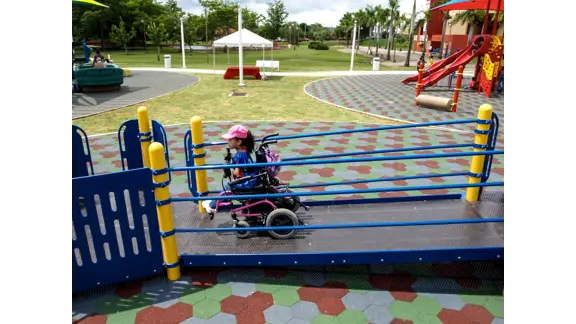
To maintain accessibility, choose wheel-chair-friendly surfaces that comply with the Americans with Disability Act(ADA; including the best choices of poured-in-place rubber and artificial grass.
Weather Considerations
Weather affects the longevity and effectiveness of the playground surfaces. Whatever surfaces you consider proper action can make the playground safe for weather conditions.
With a suitable playground surface, your school can be a safe, vibrant, and inclusive space that students will enjoy and explore for years.
MAINTAINING SAFETY ON SURFACES
Proper maintenance and regular inspection of playground surfacing can ensure safety, minimize injuries, and secure a fun environment for the students. Here is the checklist for keeping the safety on playground surfaces;
Regular inspections on playground surfaces should be conducted weekly and after they are heavily used.
Maintain the standard proper depth of 6-12 inches, and rake and distribute the mulches evenly, especially under slides and swings.
Clean and sanitize the surfaces using the proper care method for specific surfacing materials.
Consider the weather conditions in maintaining safety; for heat-absorbent surfaces, use net shade, and for the winter season, clear snow regularly to avoid the surfaces getting slippery for play on.
Repair damages immediately to prevent tripping hazards and refill to maintain the proper depth and surface consistency.
Follow manufacturer guidelines and instructions.
Educate the students on general safety and install signage as a reminder.
Conduct an annual professional assessment on safety on playground surfaces and the whole playground.
Use ADA-compliant playground surfaces to maintain inclusive, smooth, and non-toxic surfaces.
Choose school playground wisely.
FINAL THOUGHTS
Choosing your best playground surfaces and proper maintenance makes a safe playground essential for creating a comfortable and enjoyable space for everyone. A safe space where they can relax, have fun, socialize, and embrace the benefits of playing outdoors and a space where school memories are made and forever remembered.
What is Playground Mulch?
Playgrounds are spaces where children can have fun, explore, and have an adventure, but with all of these, it is essential to embrace safety. Playground mulch is the popular choice for creating safe, durable, and eco-friendly surfaces.
Let’s dive and explore everything you need to know about playground mulch, including types, factors, and maintenance.
Table of Contents
Why Playground Mulch?
Key Points When Choosing Playground Mulch
Types of Playground Mulch
How to Maintain?
Where to Buy?
Final Thoughts
Why Playground Mulch?
Playground mulch is a protective layer that lessens the risk of injuries and minimizes the impact of falls.
Shock Absorption 👉 serves as a soft landing surface to avoid serious injuries.
Slip Resistant 👉 reduces the chances of slipping and keeps the lace aa lace.
Eco-Friendly 👉 mulches are made from recycled materials, making it an environmentally friendly choice.
Cost-Effective 👉 compared to other playground surface, playground mulch is the most affordable and easy to install.
Aesthetic Design 👉 gives playgrounds an aesthetic and natural look that can blend effortlessly with outdoor environments.
Key Points When Choosing Playground Mulch
In choosing playground mulch, there are some factors that we must consider:
Safety
Playground mulch must meet the ASTM standards for playground surfaces.
Cost
Organic mulch is affordable but requires frequent maintenance checks, while inorganic mulch offers long-term savings because it is low maintenance.
Maintenance
Rubber Mulch is low maintenance, while wood-based mulch needs to be replenished and checked over time.
Environmental Friendly
Recycled and biodegradable materials minimize your ecological footprints.
Types of Playground Mulch
Two types of playground mulches, organic and inorganic, give different benefits based on your specific needs and preferences.
Organic Mulch
Organic mulch is made from natural materials, biodegradable.
Engineered Wood Fiber Chips
This refined shredded wood is explicitly made for playgrounds, meets ASTM standards, and offers proper cushioning.
Wood Chips
Wood chips are shredded wood that is undoubtedly affordable and common to the market; they are great for their natural aesthetic effect but require frequent maintenance.
Inorganic Mulch
Inorganic mulch is made from durable and low-maintenance synthetic materials, making it popular.
Rubber Mulch
Rubber Mulch is made from recycled tires and is non-toxic, highly durable, gives excellent shock absorption, and doesn’t decompose over time.
Gravel or Pebbles
Gravel and pebbles give good drainage and are long-lasting but not soft enough compared to rubber and wood mulch.
Synthetic Turf
Synthetic turf is an artificial grass with a shock-absorbing layer that is low maintenance and long-lasting. It has an excellent natural and expensive design that blends effortlessly with the environment.
How To Maintain?
With regular inspection and maintenance, we can keep the playground a safe and enjoyable environment throughout the year.
Resurface playground mulch to ensure it is evenly spread and has proper depth requirements. Always check the recommended depth (6-12 inches) to ensure safety in fall incidents.
Permanently removed debris like trash, sticks, and other debris regularly
Always do the refilling. For organic mulch, always add fresh materials, often needed to compensate for decomposition and compaction.
Regularly check weekly or bi-weekly for complete safety.
Observe proper drainage to avoid water pooling that can bring mold and mildew growth.
Sanitize the playground mulch with mild soap and rinse with water. Organic mulch may need periodic removal and replacement, especially in heavily soiled areas.
Where to Buy?
Here is the list of where to buy certified and standard playground mulch some of them also have deliveries, installation, and maintenance services:
Playground mulch is not just a surfacing but an important safety feature that can give a confident play experience. Whatever type of playground mulch, it is essential to research the best mulch the playground can maintain and be cost-effective.
When planning and designing, playground mulch choices must be part of safety, which is the best feature that a playground must have. It is undoubtedly good to see that safety and fun blend perfectly in that playground.
Swings are one of the few pieces of equipment in the playground that are loved by many. Swings allow children to have a thrilling experience of swinging back and forth, helping them develop balance, strength, and coordination. Swings are not only pieces of equipment that invite children to the school playground; they are tools that are important for their growth, play, and learning.
Choosing the right swing for the school playground can be challenging, and it must follow standard considerations to keep the fun, durability, and safety in the play area.
TABLE OF CONTENTS
BENEFITS OF SWINGS IN A SCHOOL PLAYGROUND
SWING SETS BEST FOR SCHOOL PLAYGROUNDS
CHECKLIST TO CONSIDER IN BUYING SWING SETS FOR SCHOOL PLAYGROUND
MAINTAINANCE AND SAFETY
CONCLUSION
BENEFITS OF SWINGS IN SCHOOL PLAYGROUNDS
PHYSICAL DEVELOPMENT
Swinging strengthens core muscles, legs, and arms, helping them develop strength, balance, and coordination. As a swing gives the back-and-forth motion, it requires timing when to give the pump to the legs and swift weight to keep swinging and develop motor skills and body awareness.
The swinging motion stimulates children’s inner ear’s vestibular system, essential for maintaining balance and spatial awareness.
EMOTIONAL BALANCE
Swinging gives a calming effect that can reduce stress and anxiety, which benefits students between classes. Physical activity such as swinging releases endorphins, and the thrill of swinging boosts mood and gives a feeling of happiness.
The swinging motion helps the children regulate sensory processing and benefits emotions and energy levels.
COGNITIVE DEVELOPMENT
Physical activities like swinging improve blood circulation through the brain and give focus and cognitive function that helps the students in their academic learning in their classes. Cognitive abilities include information processing, reasoning, problem-solving, memory, and language development.
The swinging motion of back and forth improves spatial awareness and gives the children a deeper understanding of distance and depth. Mastering the swinging techniques, they can try higher swings, which will help them control their movement and manage their risk-taking abilities and confidence as they succeed.
SOCIAL DEVELOPMENT
Swings can take one or two children, so they learn to take turns, have patience, and an essential value of sharing. Swings promote social interaction between children, and they can play together as they push each other and enjoy the bond that gives them the fun of working together and teamwork.
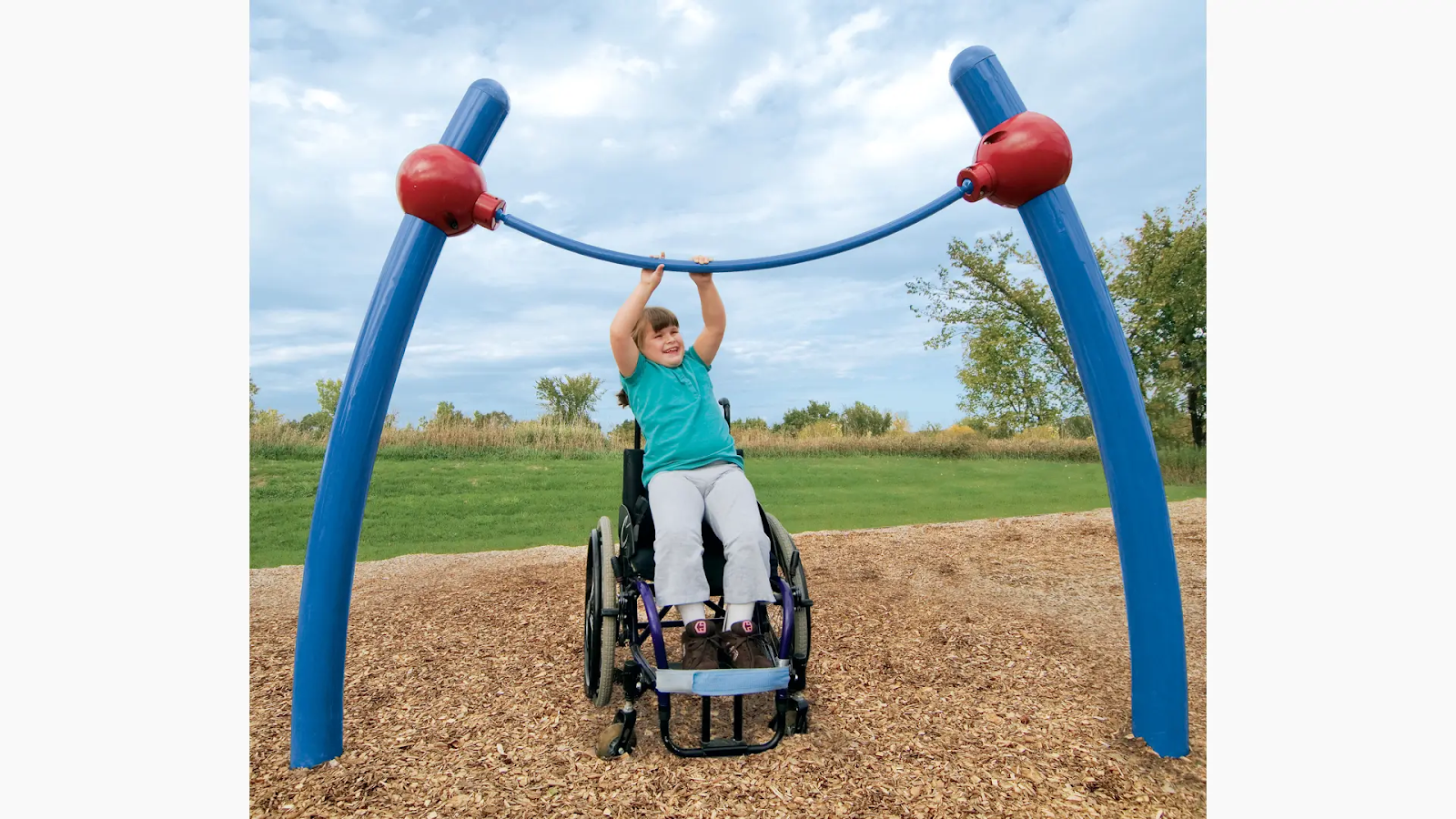
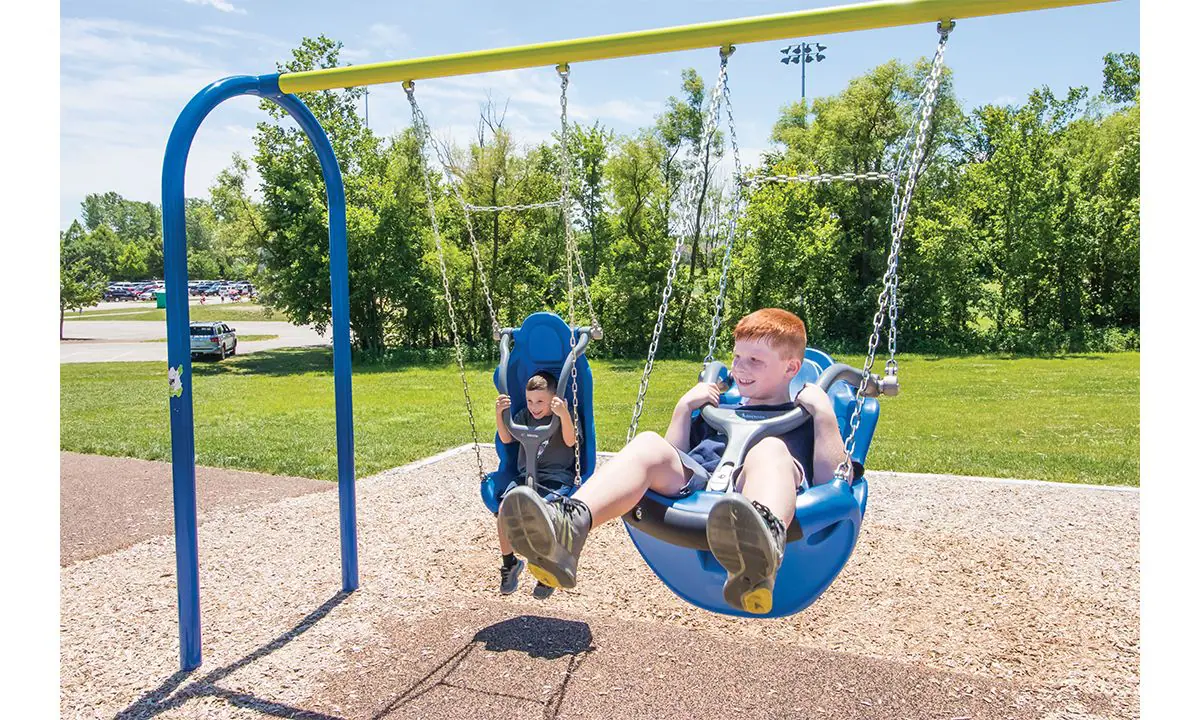
Accessible swings make it possible to play with children regardless of their abilities; this inclusivity gives them a sense of belongingness and appreciation and provides no barrier to social development for everybody.
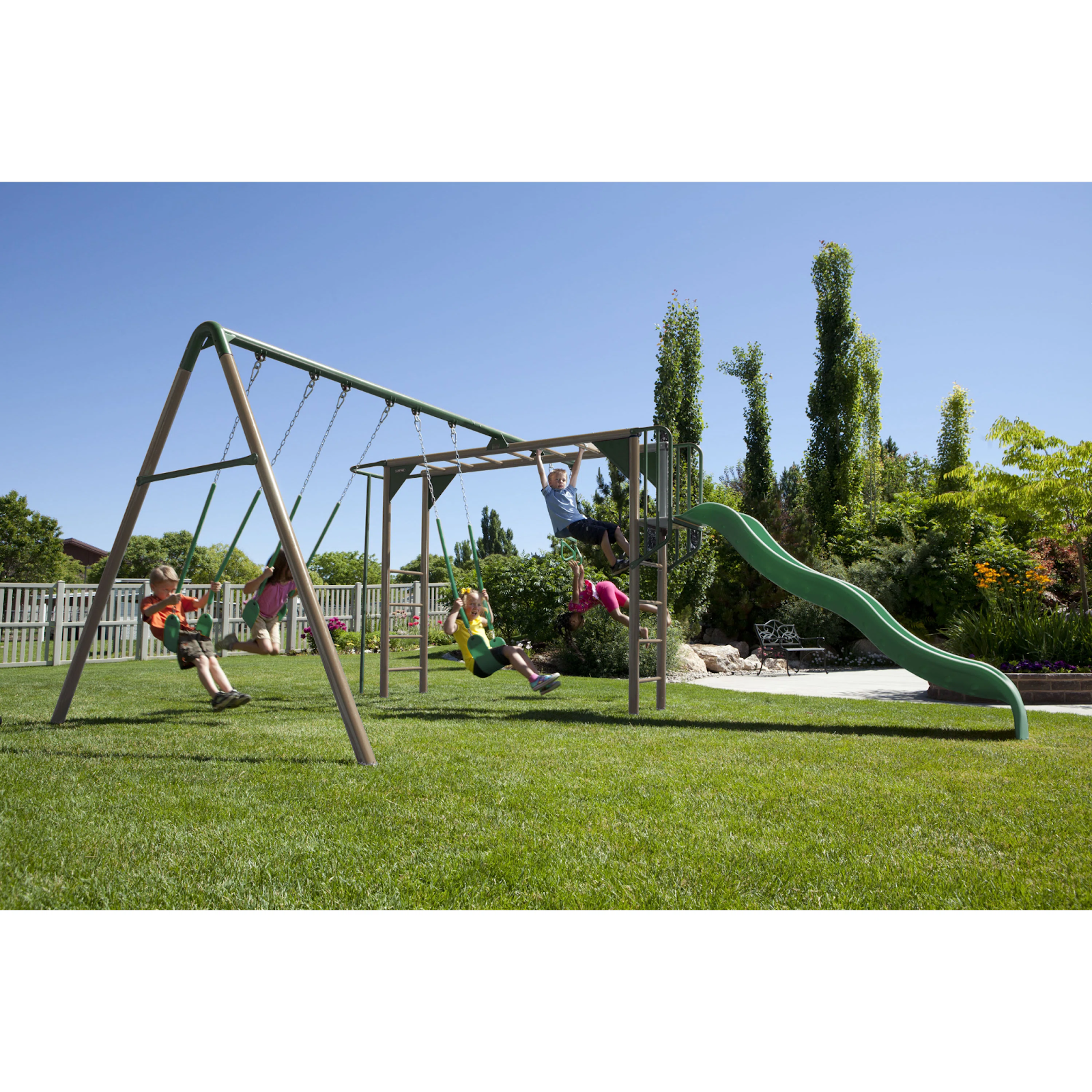
Lifetime’s Monkey Bar Adventure Swing set is built with high-density polyethylene and powder-coated plastic that helps protect against harmful UV rays. It is weather-resistant that protects the equipment from discoloration and rust. This set is built for durability and low maintenance and can look great for years.
It is best for school playgrounds, having a lot of activity in one play set.
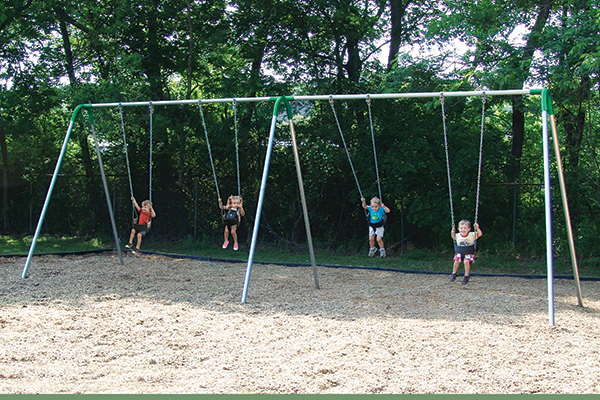
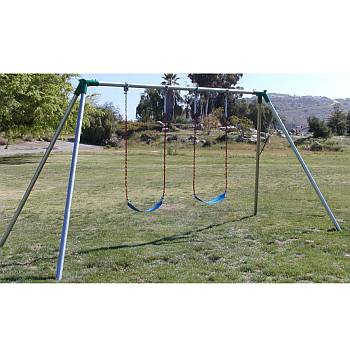
The Bipod Swing Set is suitable for children 2 to 12 years old and good for heavy use and harsh weather conditions, making it a good choice for a swing set for the school playground. This galvanized steel swing set is built for durability and is customizable.
The Bipod Swing Set is a low-maintenance set with a classic design ideal for school playgrounds.
Metal swing sets are solid, durable, heavy-duty metal that withstand heavy use and weather exposure. This rust-resistant swing set is made from galvanized ductile iron swing hangers with oil-impregnated bearings.
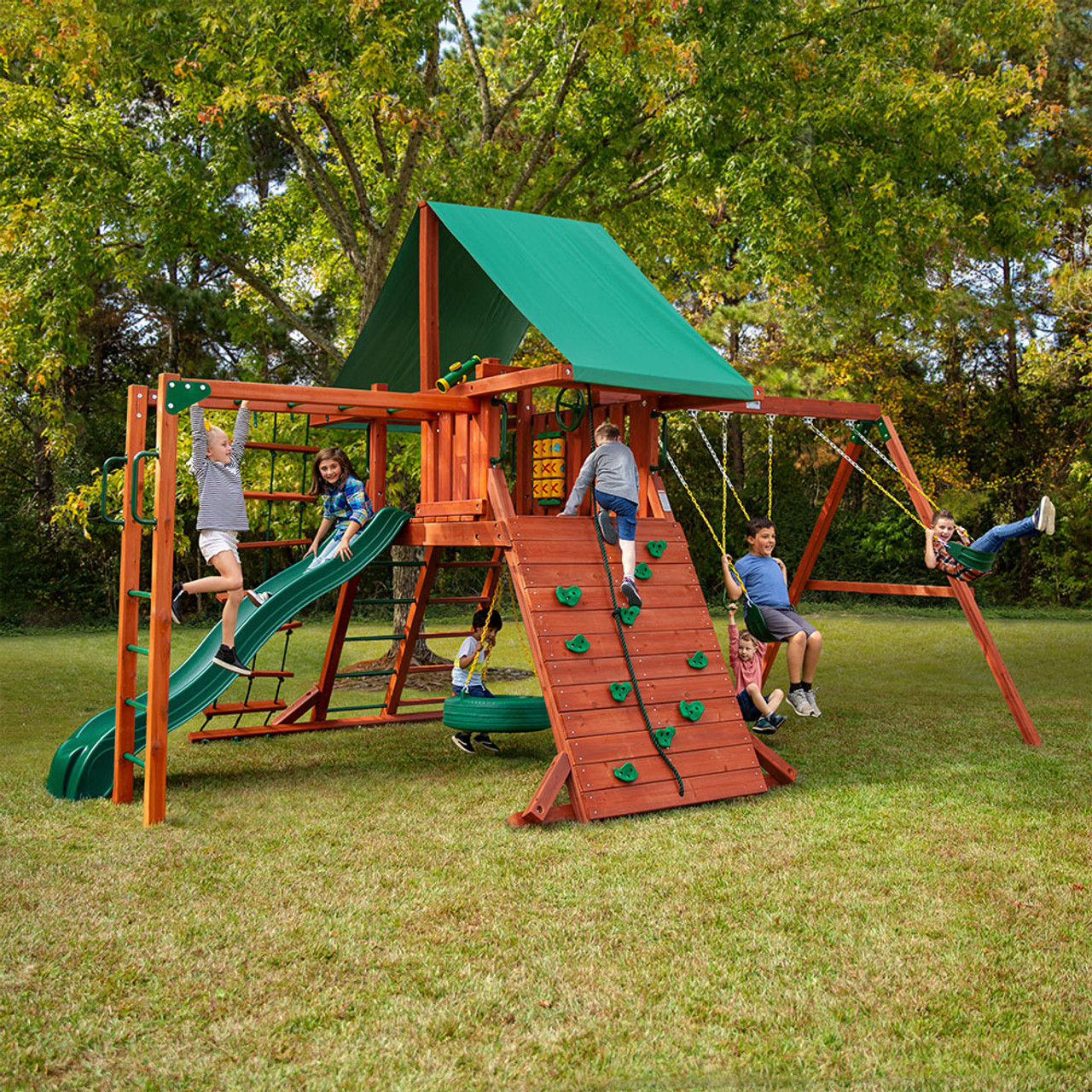
The Sun Valley Swing Set has a deluxe green vinyl canopy by gorilla playsets, built with monkey bars, a rock climbing wall, and a rope ladder perfect for children’s physical and active play. One swing set with other activities to get busy on.
This eco-friendly set offers children a wide range of play options, making it a good choice for schools.
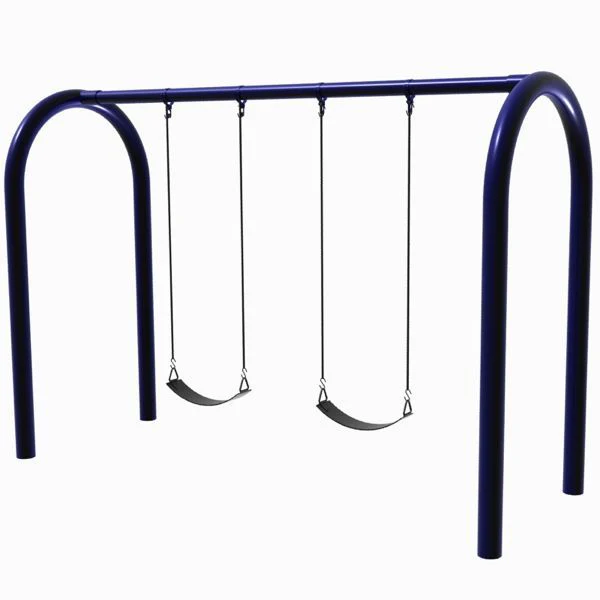
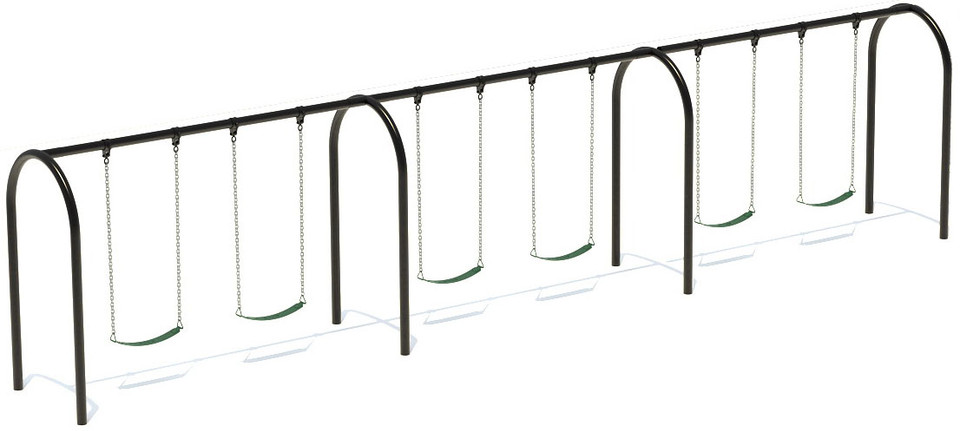
The Arch Swing Sets have different seat choices and a heavy-duty design, ensuring long-lasting fun and safety in the school playground. This swing set is a low-maintenance swing set that has a self-lubricating swing hanger. The arch swing set is galvanized and powder-coated to prevent rusting.
This affordable and low-maintenance model makes it a good choice for schools.
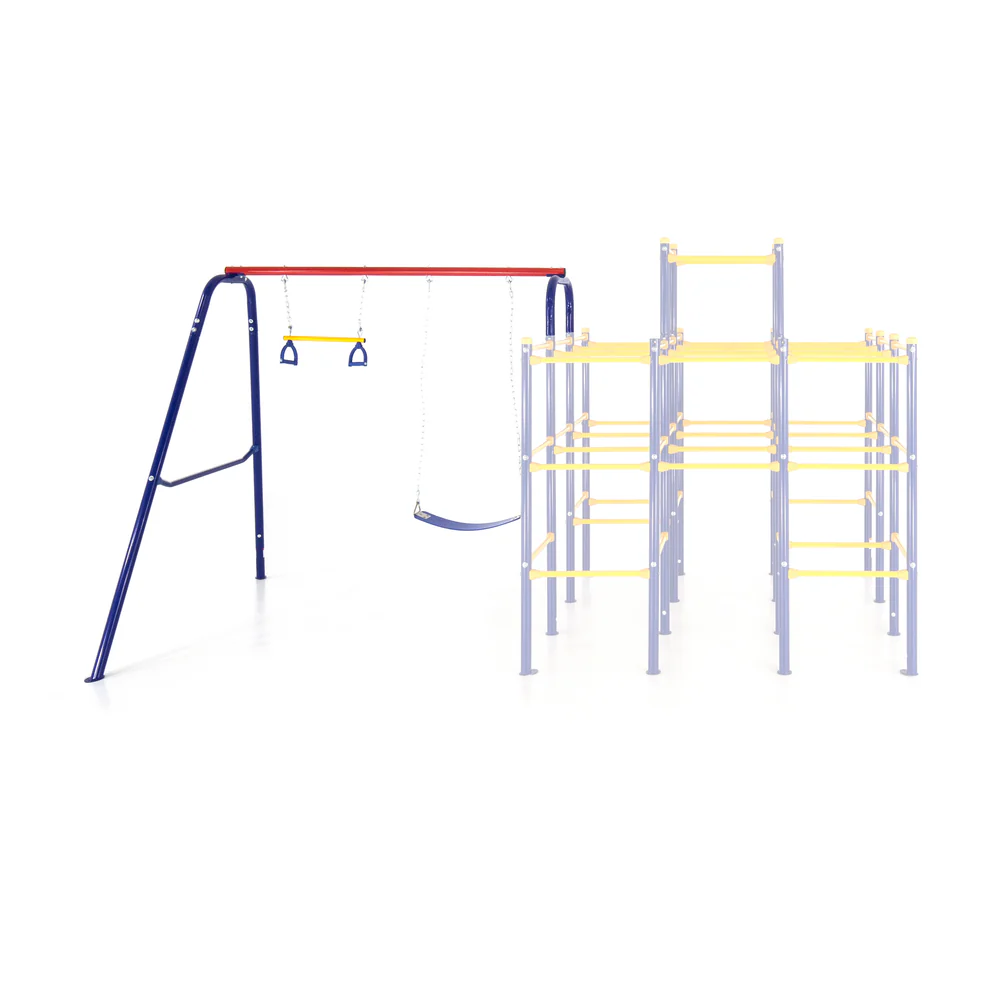
The Jungle Gym with Swing Set is made with weather-resistant steel, providing a framework for children to climb and swing that helps the children develop upper body strength and flexibility.
This swing set promotes team play, encouraging active and imaginative play together with multiple users, making it perfect for school playgrounds for them to develop teamwork skills.
C. CHECKLIST TO CONSIDER IN BUYING SWING SETS FOR SCHOOL PLAYGROUND
Safety
When looking for a swing set, it must pass the ASTM and CPSC(Consumer Product Safety Commission) safety standards to reduce the risk of injury and make it fun and safe for everyone.
Capacity
When choosing a swing set for a school playground, one thing to consider is the capacity of the student population during break time. A playground with a small space can choose multiple play swing sets to reduce waiting time for taking turns.
Durability
Choosing swing sets that are weather- and rust-resistant and can support the equipment’s stability and longevity is essential. Treated wood or powder-coated materials are the best choice for equipment that can last long.
Multiple Play
Swing sets with various play are best for school playgrounds like slides, climbing walls, jungle gyms, and trapeze bars. These multi-functional play sets maximize the school playground offerings with a limited space.
Installation and Maintenance
Some swing sets are easy to install, but having them installed by a professional makes them safer and longer-lasting. Classic-designed swing sets are generally low maintenance but need more frequent checks to maintain the safety and durability of the play sets.
D. MAINTAINANCE AND SAFETY
Conduct weekly inspections and monthly checks.
Look for any signs of wear, rusting, or frays on chains and cables
Check for cracks, loose bolts, and missing parts for seats and hardware. Plastic and rubber seats can crack over time and must be replaced if damaged.
Ensure that the swing hangers and fasteners are attached tightly and securely, essential to support the weight and movements.
Inspect any signs of bending, rusting, or structural issues for the overall frame.
Lubricate all moving parts and metal joints to reduce friction and squeaking, and use non-toxic materials to avoid rusting and ensure safety for the children.
Rust can weaken the structure; using rust-proof paint can keep the swing set safe.
Powder-coated or galvanized steel swing sets must be checked frequently, and coating must be re-applied if necessary to protect them from corrosion.
Inspect the safety surfacing under and around the swing sets to see if it is evenly spread, attached, and with the required depth.
Clean regularly using non-toxic cleaners, and sanitize the frequently touched parts to prevent illness from spreading.
Replace all worn and damaged parts to keep the safety and longevity of the swing sets.
Check the drainage to prevent water pooling that can lead to rusting of the swing sets and other play equipment.
During the cold season, remove the swing seat or cover to avoid exposure to snow and ice that can lead to cracking and rusting of the swing set.
Always follow and keep the maintenance records to monitor the safety and durability and identify the issues that must be fixed.
E. CONCLUSION
Choosing the best swing set for the school playground can be challenging, but seeing how it will benefit the students’ development and the smiling faces it can bring them throughout the school day is undoubtedly satisfying. An energized mind is an active and participating student inside the classroom.
Considering all the vital elements of choosing swing sets to check and proper safety and maintenance implementation can make the school playground a happy place for students and staff to enjoy.
Creating a playground for a Head Start program must focus on safety and age-appropriate play areas to help children with their different developmental needs.
Children in the Head Start program are said to be more likely to be prepared to enter kindergarten and academically, socially, and emotionally ready. Playgrounds also play a big part in their development.
TABLE OF CONTENTS
SKILLS AT BEST START
PLAYGROUND IDEAS AND THEIR BENEFITS
CONCLUSION
In choosing playground ideas for Head Start programs, here is the summarized guide to make the play area fun and learning;
SKILLS AT BEST START
Head Start serves children between 3 and 5 years old, while Early Head Start serves children from toddlers up to 3 years old, where development and foundation of skills are starting.
Gross Motor Skills
Gross motor skills involve the movement of muscles that help children take actions like walking, running, jumping, climbing, throwing, catching, kicking, balancing, and skipping.
Social Skills
Social skills are essential for children to interact positively and build exceptional relationships in confidence. At an early age, lays a foundation by making friends, sharing, taking turns, listening, expressing their emotions and empathy, following directions, resolving disagreements using words, making eye contact, and respecting other children’s personal spaces.
Problem-Solving Skills
Critical thinking is essential to develop at an early age, where they can make decisions and approach challenges confidently, which supports their creativity, intellect, and adaptability in any situation. They can practice these skills by identifying problems, trial and error, asking for help, decision-making, planning, sequencing, persistence, and creative thinking.
Communication Skills
Communication is essential at an early age to express oneself and understand others, which is common in building healthy relationships and navigating social situations effectively. While playing, they can practice speaking clearly, listening attentively, understanding non-verbal communication, asking and answering questions, taking turns during conversations, following directions, and expressing emotion in communication.
Emotional skills
Handling emotions is crucial for children this age. Still, learning to understand and manage their feelings and understand others can help them build self-confidence and resilience and support unique social connections with other children.
Spatial Awareness
Spatial awareness is a child’s ability to understand and navigate the physical environment around them, recognizing their body movement about objects and other people. Spatial awareness is essential for motor development, as it will help them navigate their environment, engage in activities, and play safely. The main aspects of spatial awareness for Head Starters include body awareness, direction understanding, balance, coordination, object recognition, navigation skills, distance, and proximity.
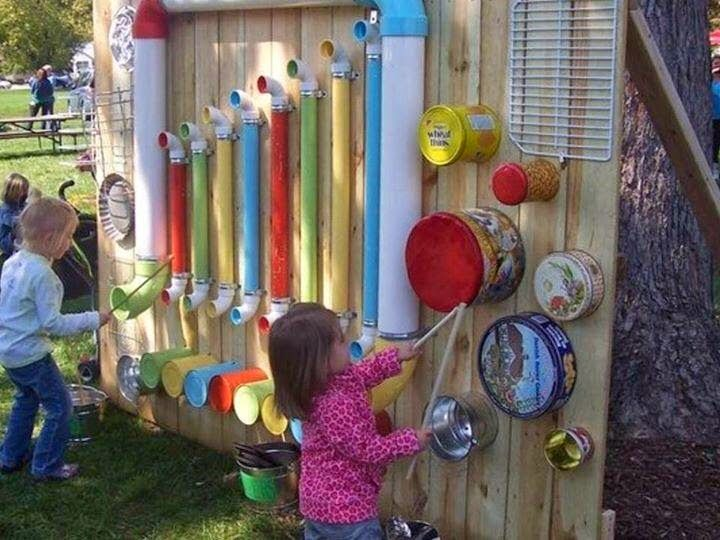
Musical play areas are essential to children’s development and growth, stimulating their sense of hearing as they play and produce sounds. It can help them show their emotions in a creative and fun way.
Nature Exploration Area
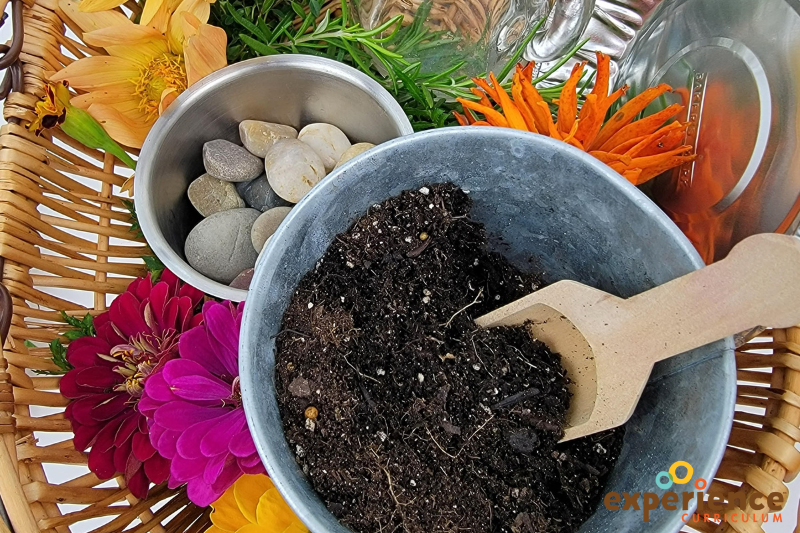
Many ideas could engage nature exploration play; even in small outdoor spaces and minimal nature-given props, nature exploration plays can be leaf piling, growing plants in beds or giants, playful pots, logs, windchimes watching, and many more, can be used.
This play can help them become more aware of their environment and nature and be amazed by God’s Creations.
Mini Stage Area with Audience Seats
Children can do role-playing, story-telling, and short performances like singing and dancing, where they can have imaginative plays and interact with other children in the play areas.
Climbing Structures with Safety Paddings
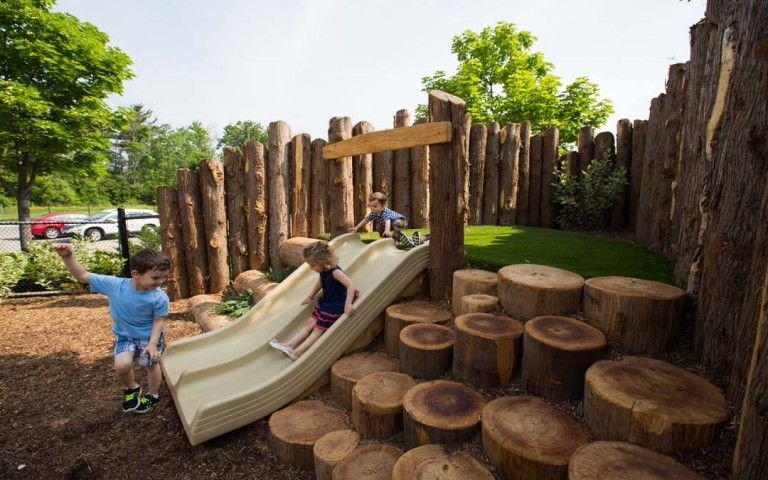
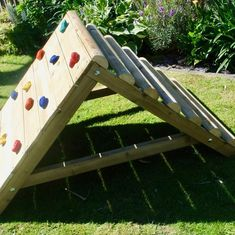
Playground climbing structures promote group play that can create a communicational approach and social interaction with other children, as well as active play that is good for the physical development of the children.
Arts and Crafts Area
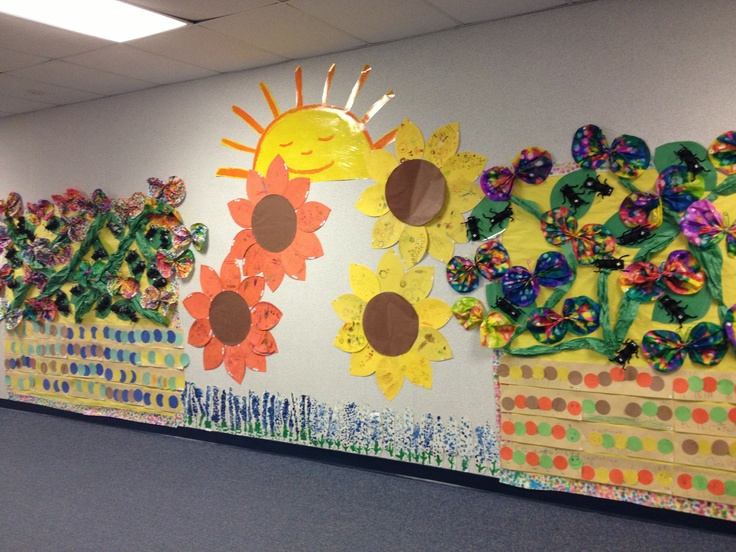
This play area will boost every child’s creative minds and imagination as they show their art and crafting designs. Young children love to color, do arts, and play with their masterpieces.
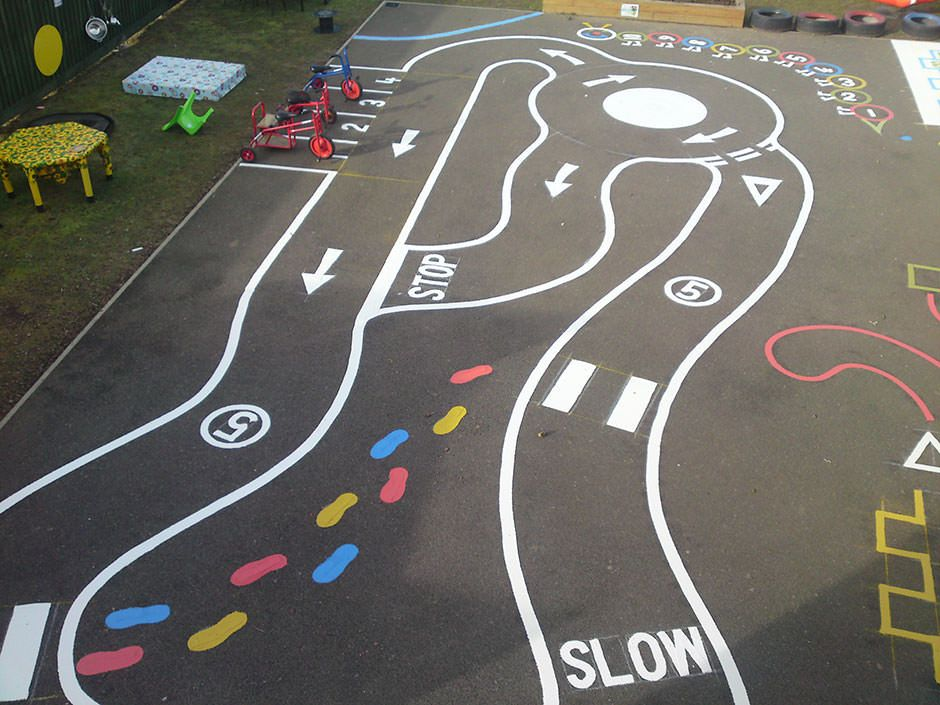
Mini Riding Course with “Traffic Signages”
Riding courses are to develop motor skills, hand-eye coordination, and understanding of safety and traffic rules with complete safety gear for safety. Children can take turns as they play, which promotes social interaction between children and learn to share space.
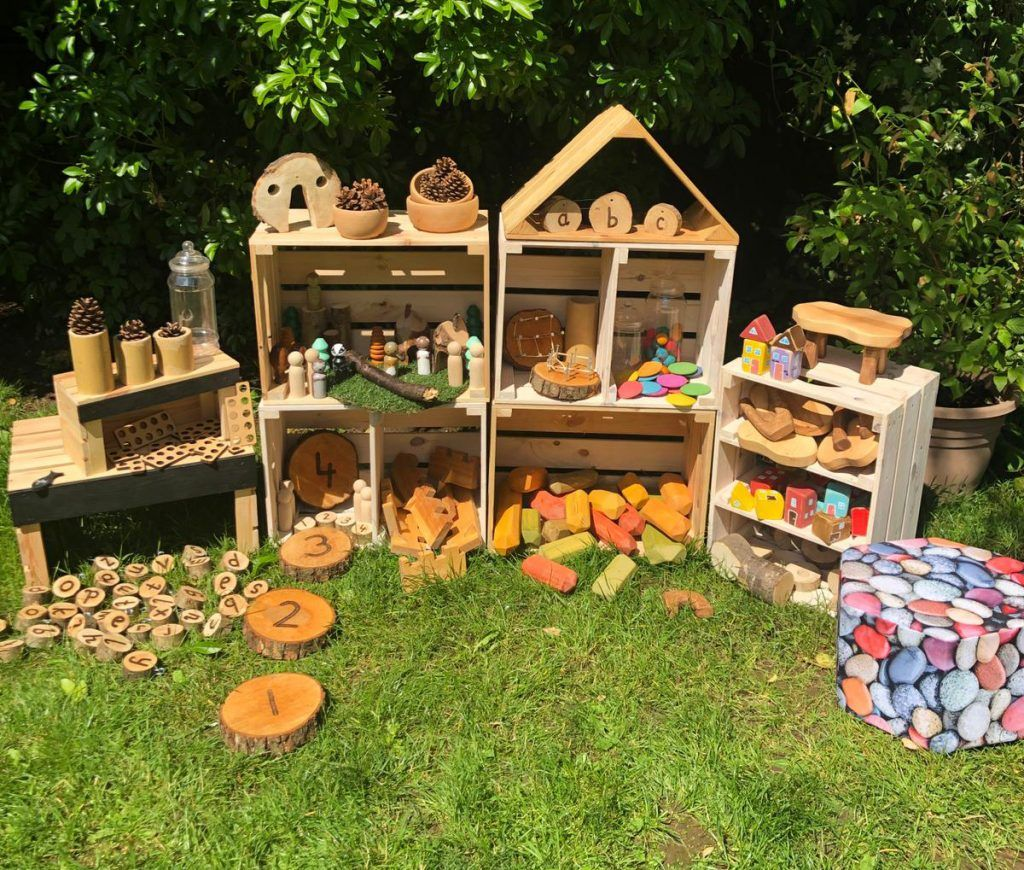
Loose Parts Play Area
Playing with loose-parts-inspired materials encourages children to be creative and do problem-solving tasks to build and create structures stacks that help hone their motor skills and imaginations.
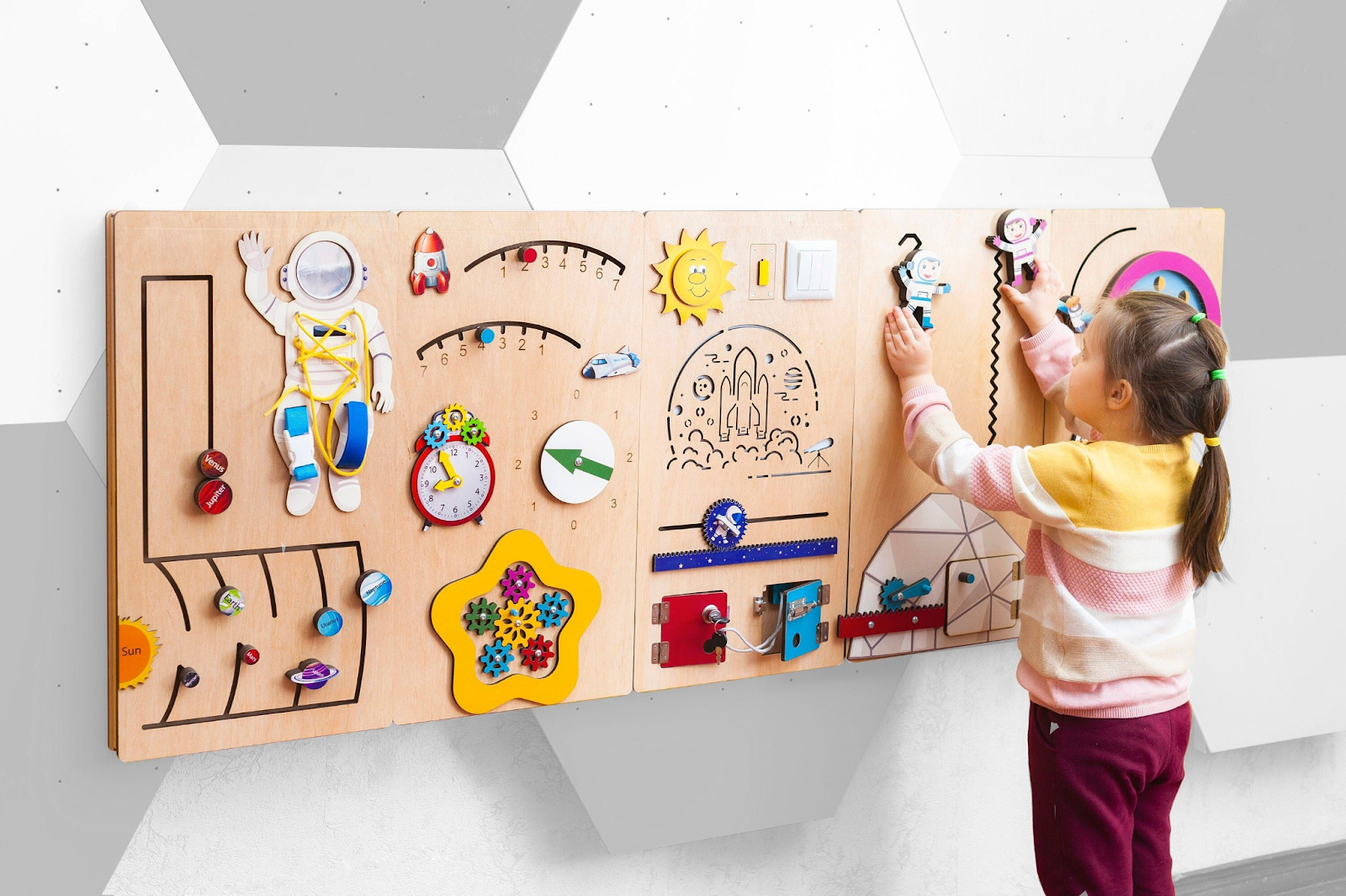
Sensory Table and Tactile Wall
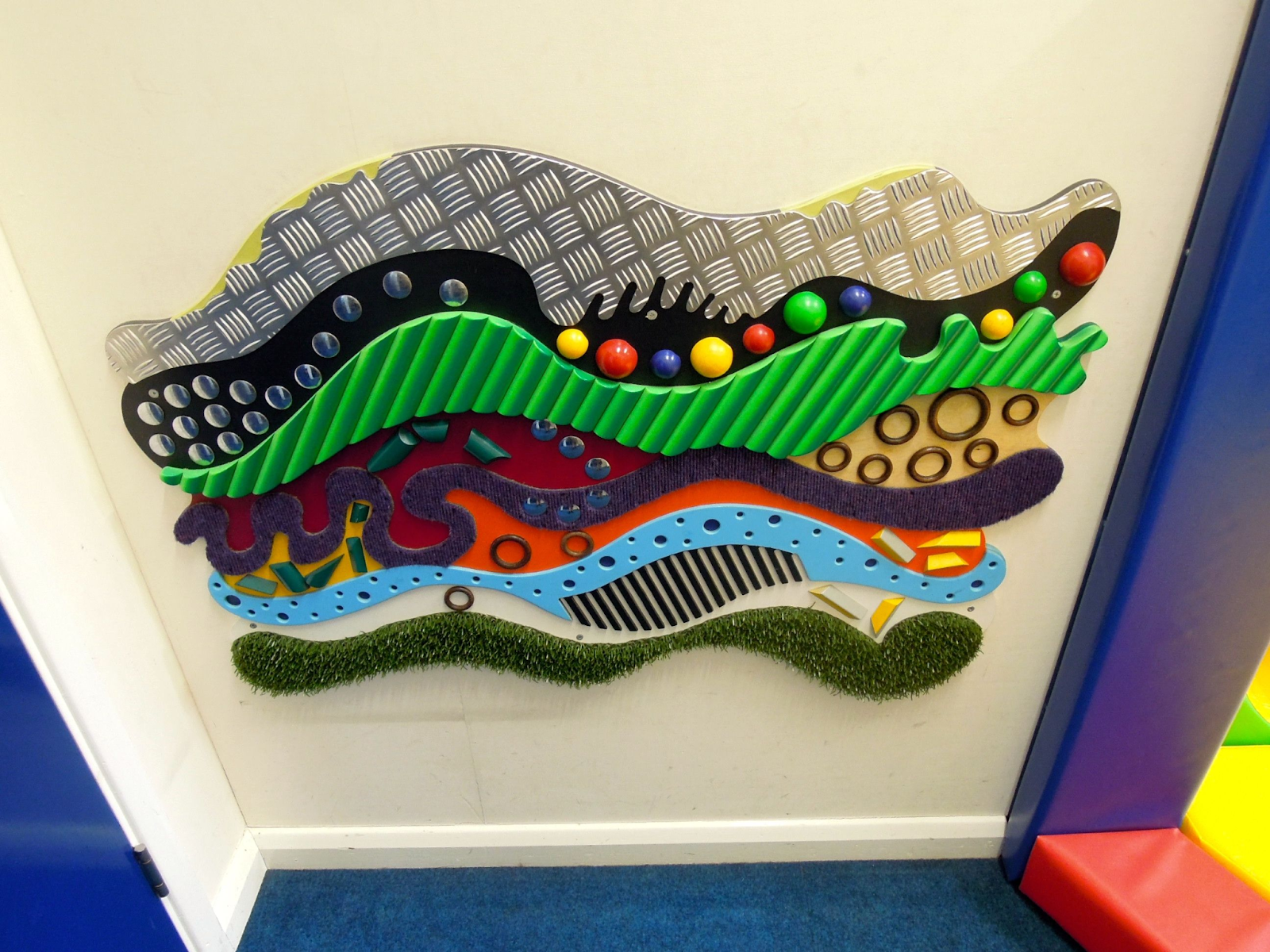
Tactiles and texture panels provide an exploration for sensory development. Children can feel different textures as they touch one object to another on the panel board and learn descriptive language about the textures they touch.
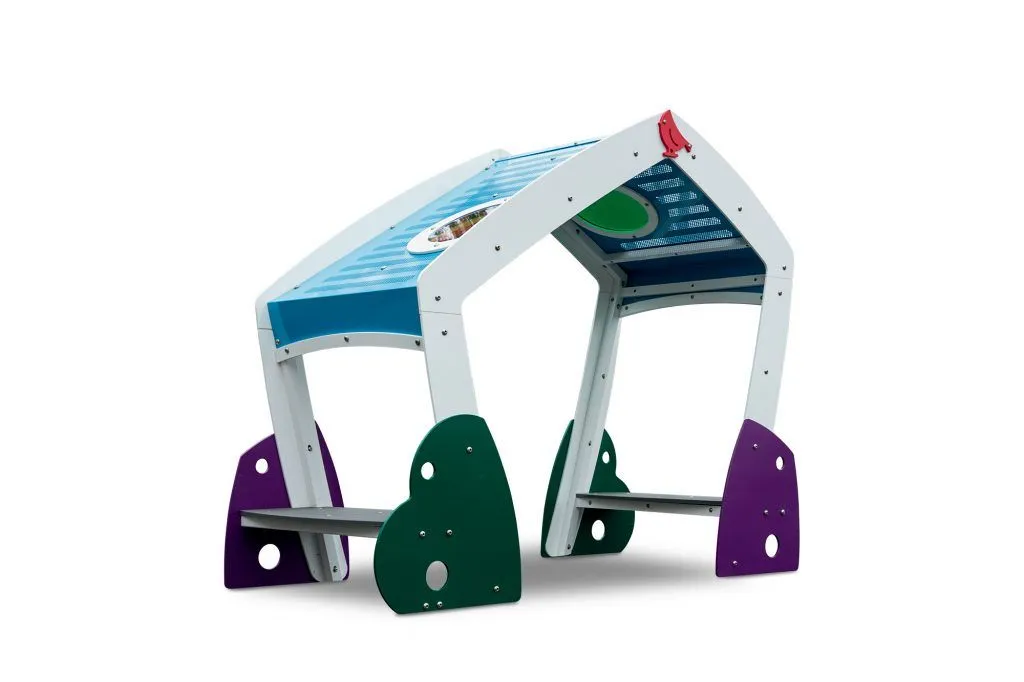
Reading Play Houses
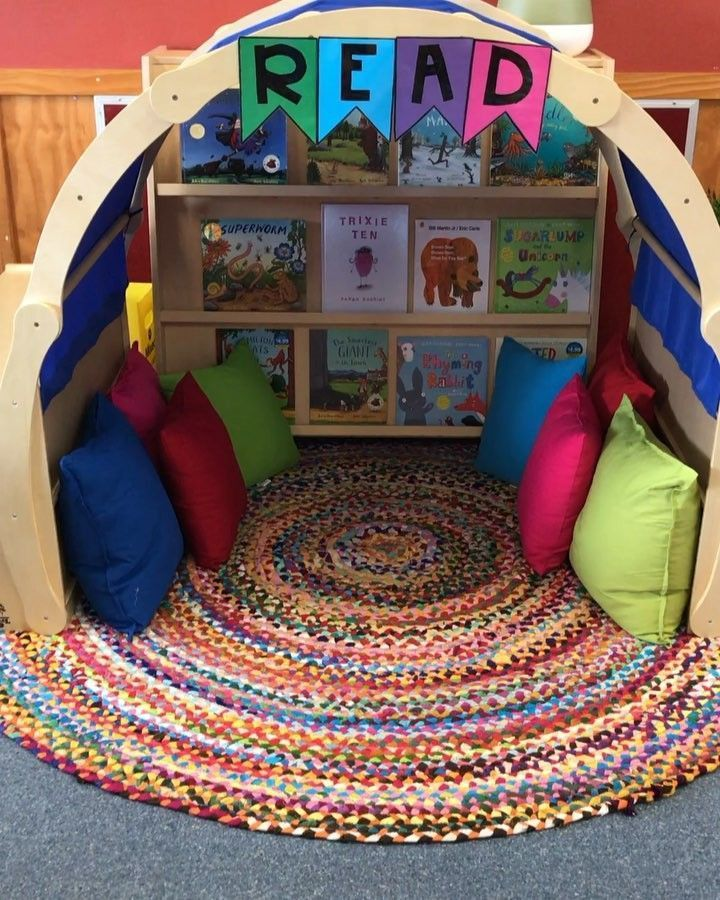
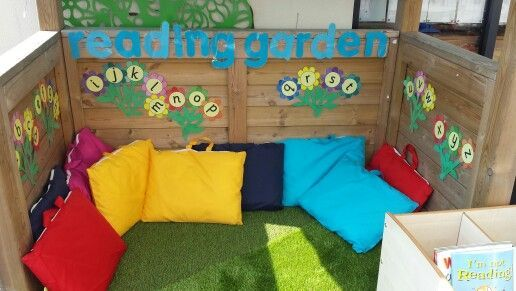
Reading nooks promote literacy quiet time and develop a love for reading for the children. A shaded, cozy space invites children to come and enjoy reading books and stories.
C.CONCLUSION
With the playground ideas for the Headstart program stated, the playground will promote learning, safety, and skills development in every child. By having these ideas present in your playground design, the skill sets that are important to develop finely at this early age, such as gross motor, social, communication,problem-solving, emotional, and spatial awareness, children will be fully equipped for their future learning and social settings.
These ideal playground designs combine fun with growth opportunities, honing a well-rounded foundation for every child’s development.
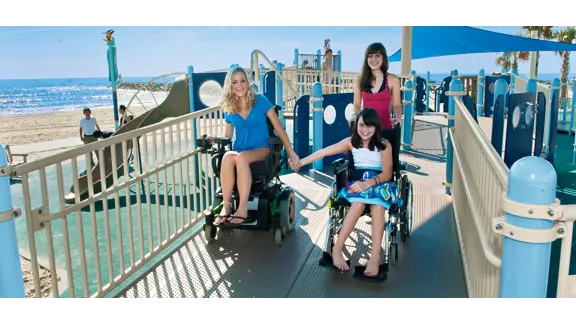
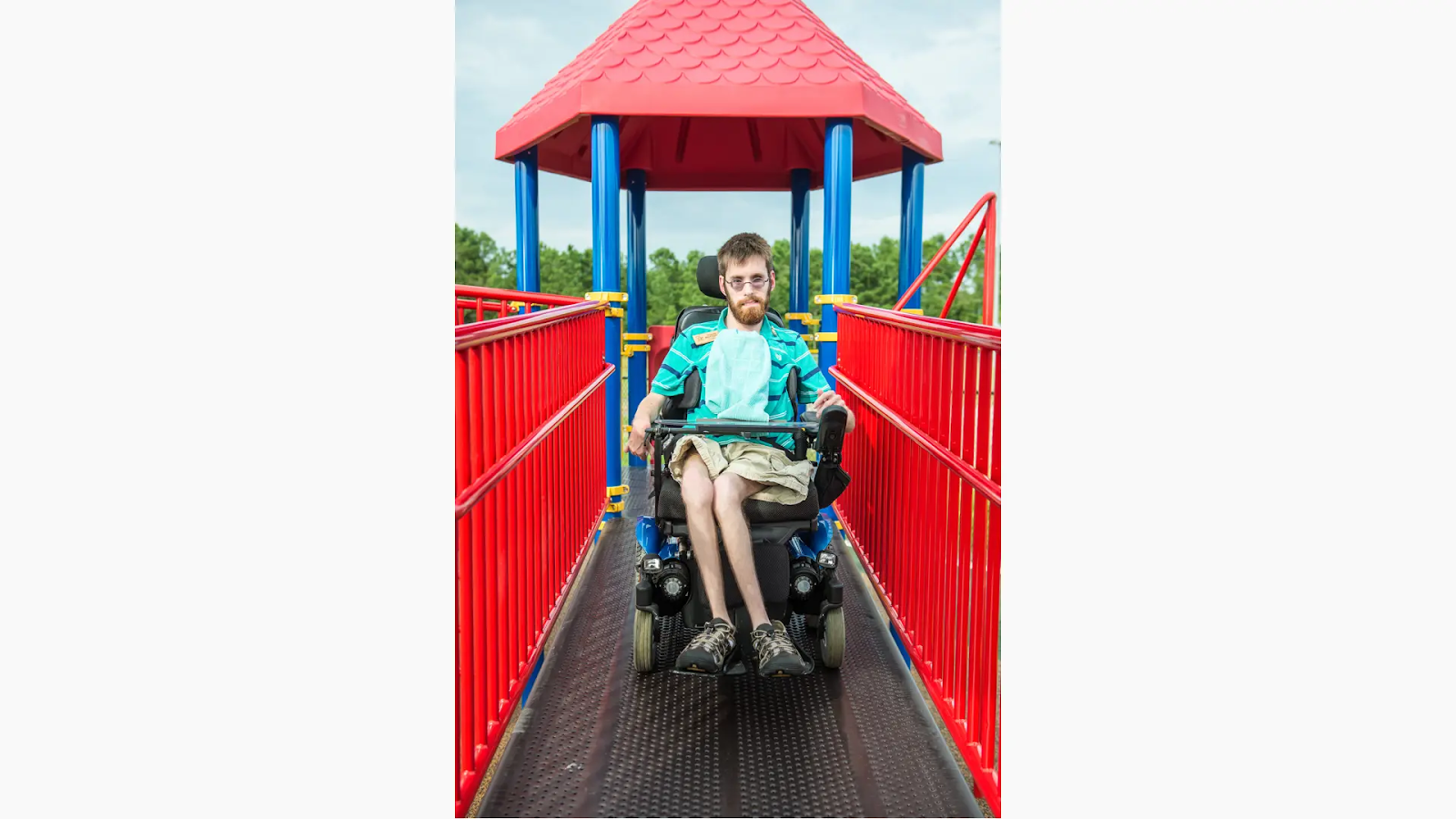
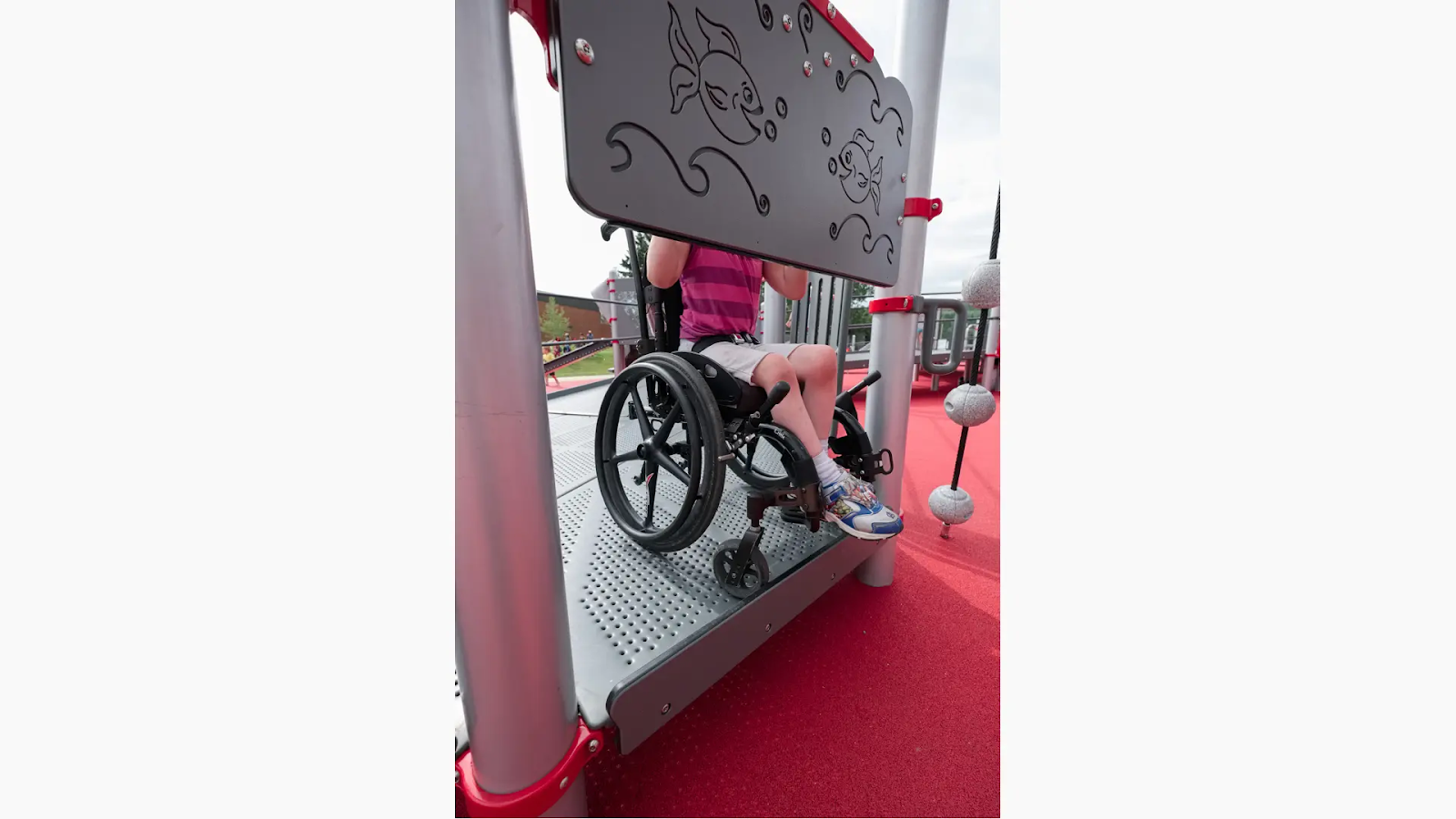
An inclusive playground is essential for all abilities’ overall physical, emotional, social, and intellectual skills. An inclusive playground promotes socialization that allows all children of all abilities to play together, helping them to grow together and show empathy and friendship.
Community Value for Inclusive Playground
An inclusive playground creates a good community that shows a deep understanding of the needs of families of all abilities. It encourages all children to play side by side, appreciate differences, and learn from one another.
An inclusive environment gives a welcoming feeling that makes them recognize and appreciate the differences early on and shows the community’s commitment to equality and accessibility.
TABLE OF CONTENTS
Essential Elements of Inclusive Playground Equipment
Safety and Accessibility Standard
Where to Buy Inclusive Playground Equipment
Conclusion
Inclusive Playground Elements
Swings
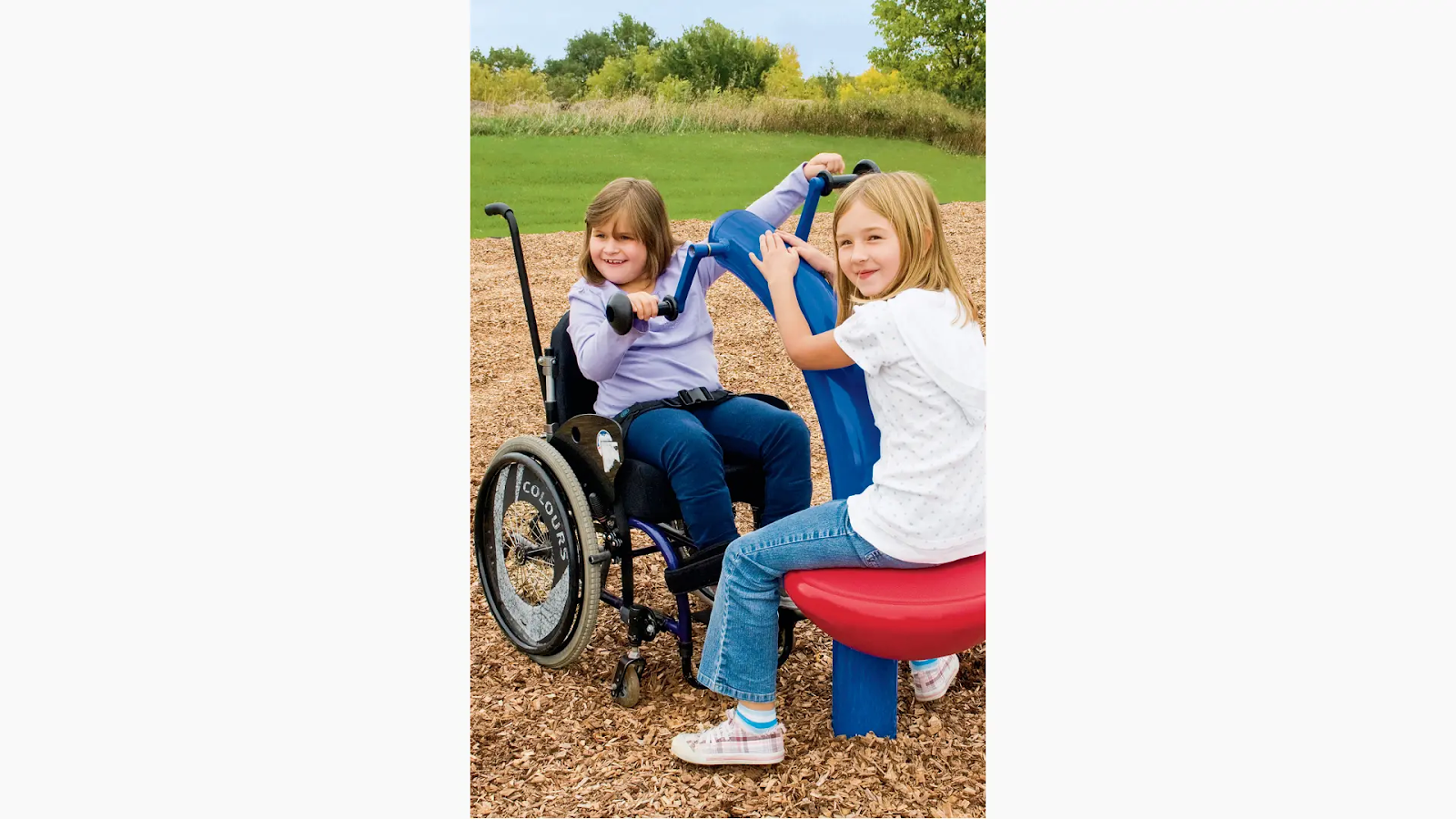
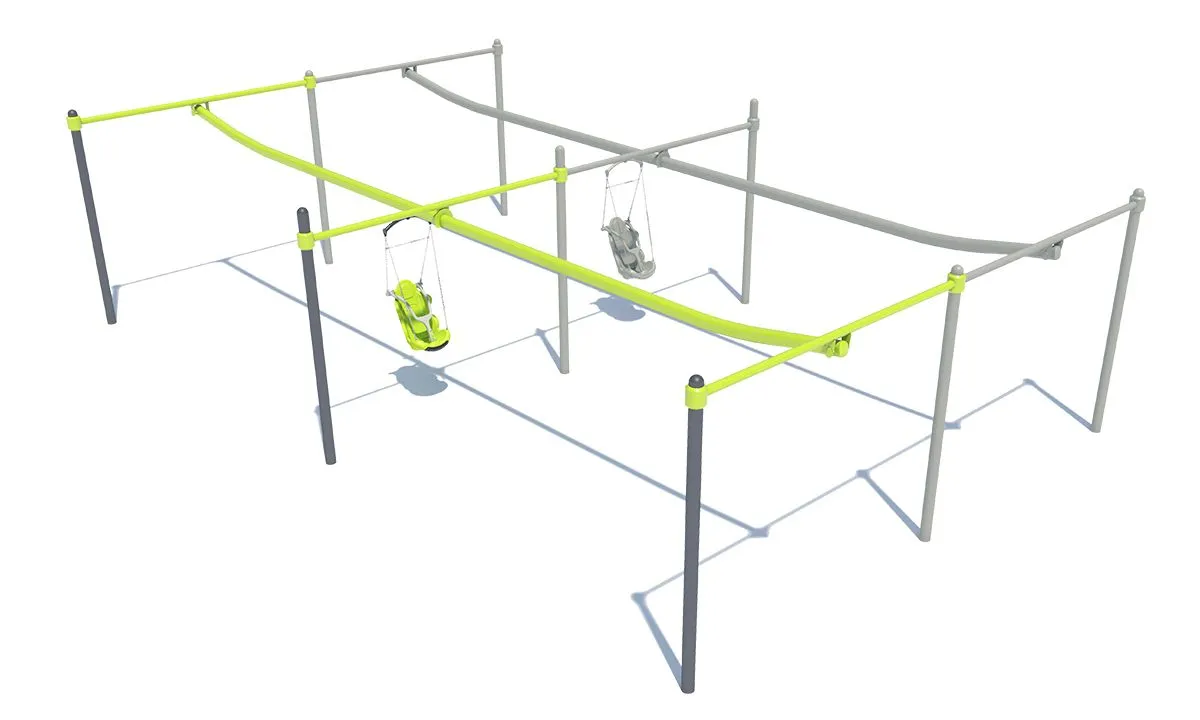
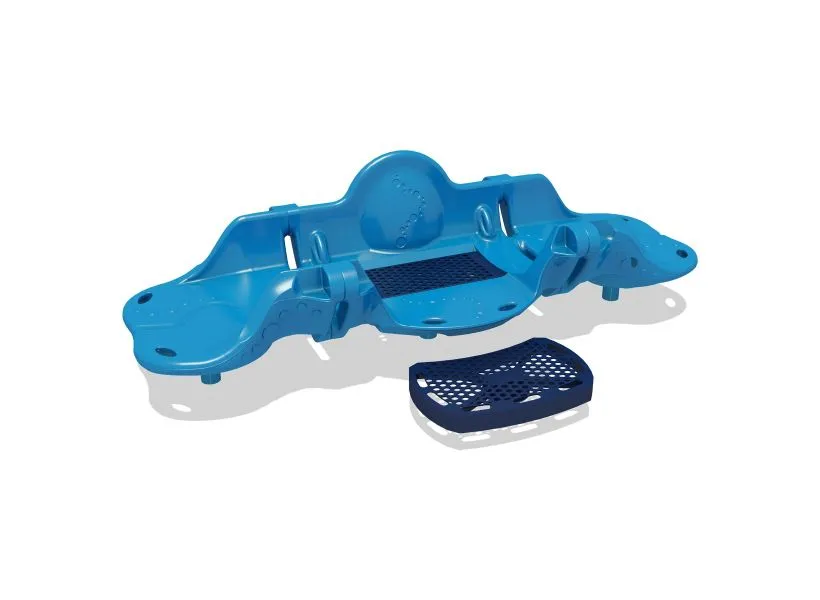
-bucket swings, high-back swings, and wheelchair-accessible swings.
Slides
-wide, low-friction slides with transfer platforms for children with mobility aids.
Climbing Structures
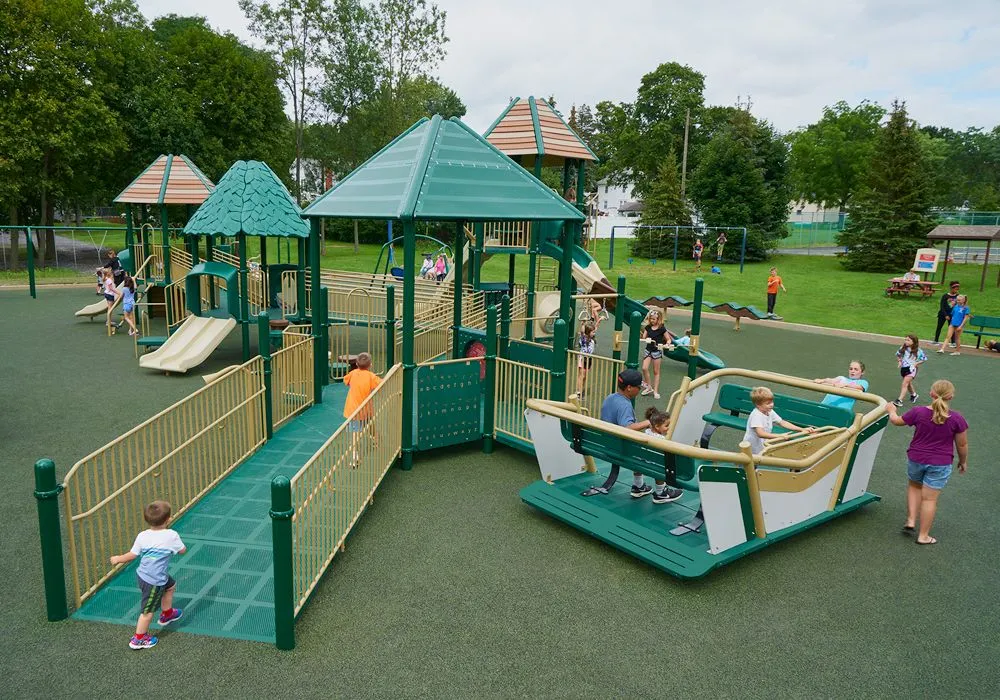
-ramps, steps, and low-climbing walls that will be accessible for various motor skill levels.
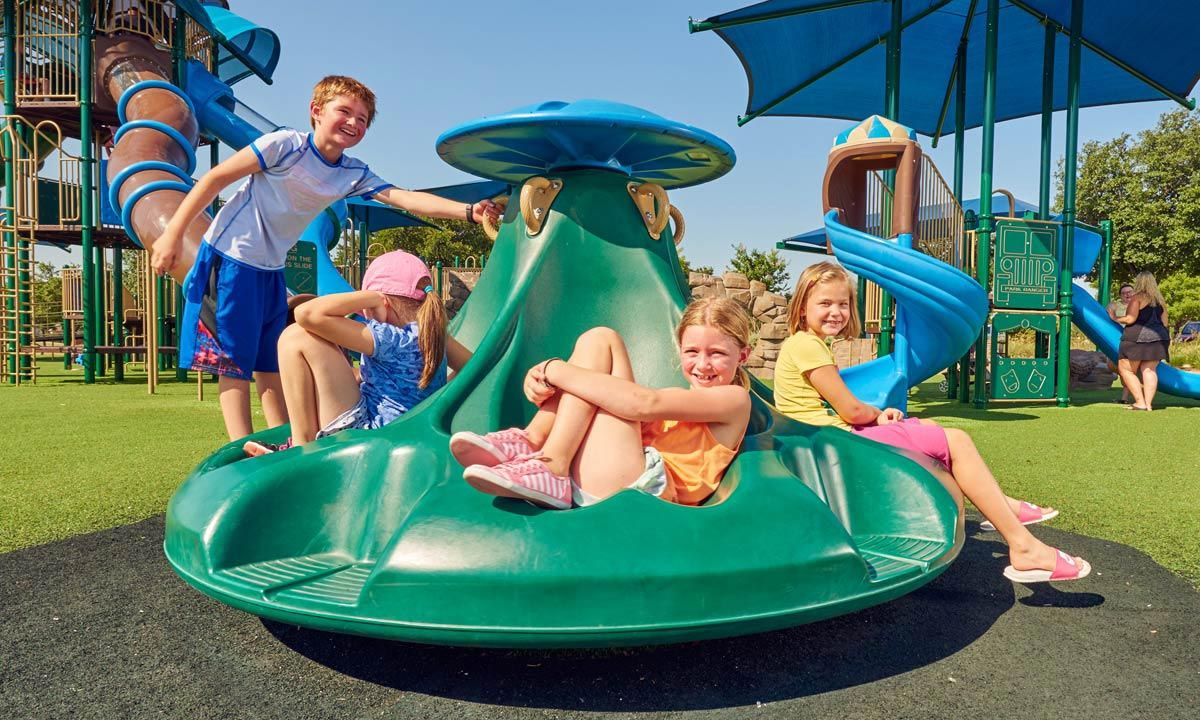
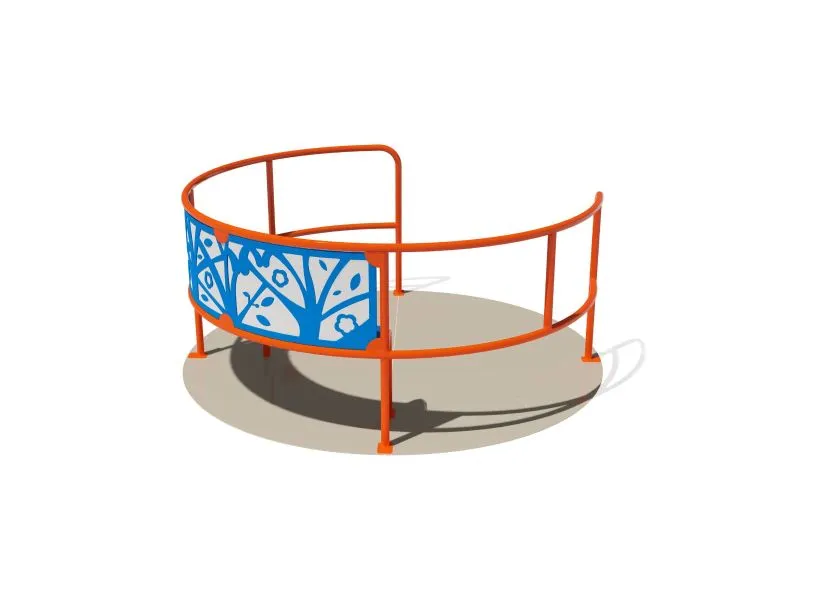
Merry-Go-Rounds
-wheelchair-accessible for group play.
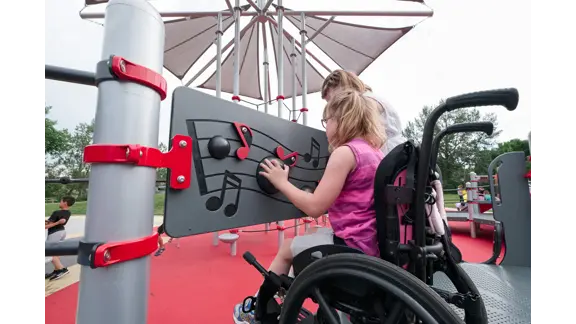
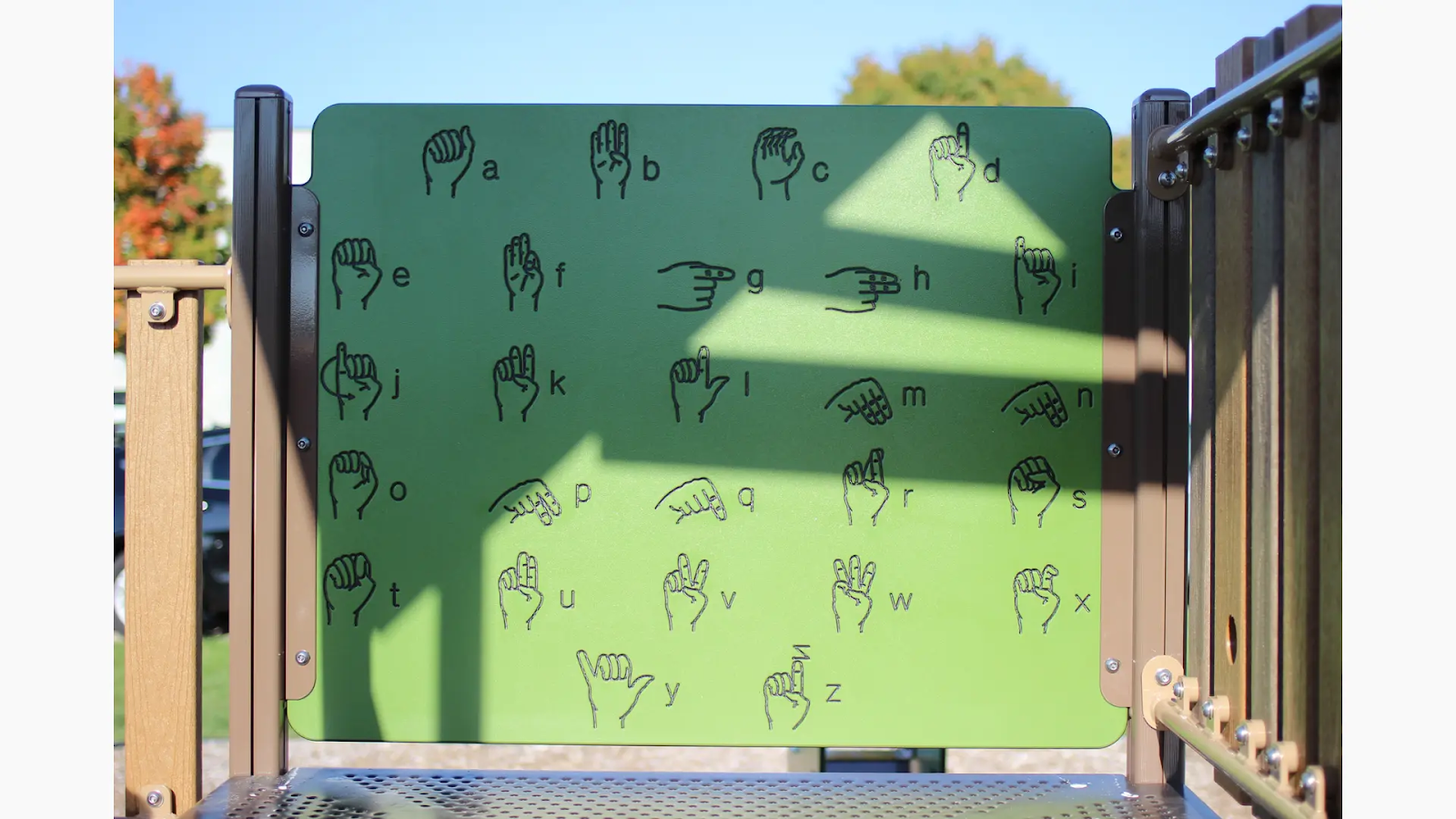
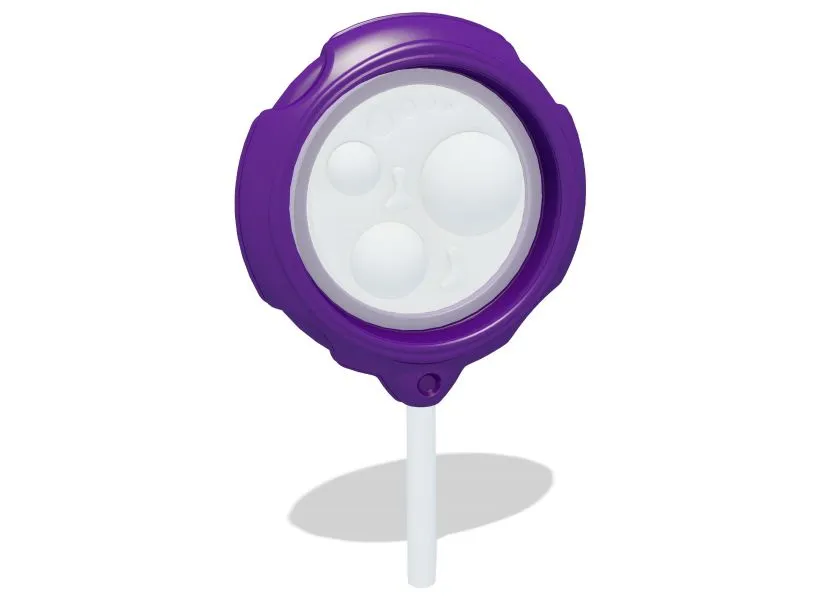
Sensory Panels
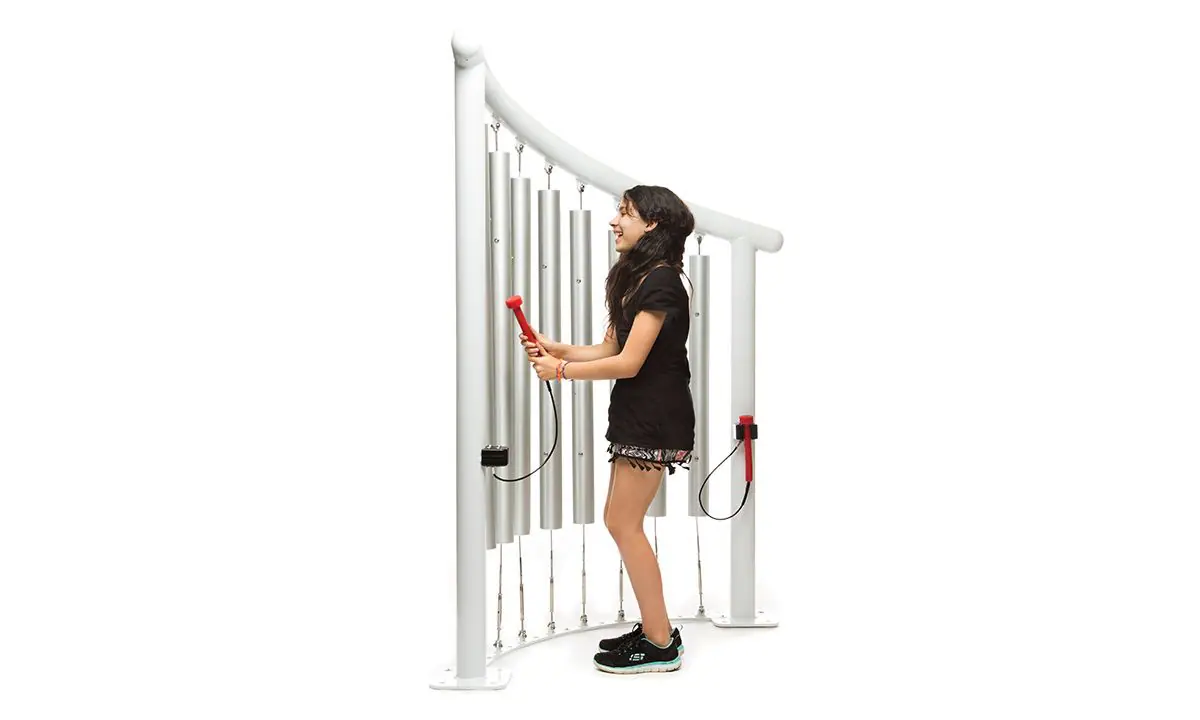
-Interactive boards, panels, and musical instruments for cognitive and sensory engagement
Relax Areas
-Resting area designed for children, parents, and caregivers, including those who use mobility aids.
Safety and Accessibility Guidelines
Equipment must be ADA(Americans with Disabilities Act) compliant so that children can explore the inclusive play area safely, accessibly, and socially fun. ADA-compliant play equipment ensures that play areas are accessible for children of all abilities and gives equal opportunities for physical activities, creative play, and social interaction that provides a welcome vibe for every child and family to explore, connect, and grow.
The physical inclusive playground must comply with the ASTM(American Society for Testing and Materials) standard, from the surfacing to the proper equipment spacing. ASTM focuses on a safe design that reduces risks and an accessible environment supporting all abilities so children can play confidently and safely.
Where to Buy Inclusive Playground Equipment
Some manufacturers and companies specialize and focus on accessibility, safety, and inclusive play environments you can trust and consider;
Landscape structures create inclusive playgrounds focused on age- and developmentally-appropriate activities, sensory-stimulating, and designed with no barrier.
Miracle Recreation offers a variety of inclusive playground equipment focused on providing inclusive spaces that are exciting and challenging to kids of all ages and abilities.
Burke develops inclusive spaces that ensure comfort for all people regardless of their abilities, with a universal design to make everyone feel that they belong and are appreciated.
A playground is truly a wonderland for all children, but making it inclusive for all makes it more special. AN inclusive playground within a community, school, and church shows great love and respect for everybody, making no barriers.
A happy child makes a good family. A happy family makes a good community. And a good community makes every place a wonderful nation. And that good foundation was first built and established by simply making the play area inclusive for all, fair, equal, and belonged.
When looking for playground safety surfaces, you can save time and have more suitable options for resources that are ideal for your choices and conditions. You can carefully review the products and services before negotiating with them.
Benefits of finding suppliers online;
Wide Selection
Convenience
Competitive Pricing
Review and Ratings Check
Detailed Product Information
Delivery and Installation Services
Custom Solution
Supplier Comparisons
With all these benefits, there are steps that you can follow and check as you do market research on playground safety surfaces online.
Online Marketplaces
Browse search engines like Google and Bing to find SEO techniques that produce good results. Try keywords like “playground safety surfaces” and “playground rubber flooring.”
Look on marketplaces like Amazon, eBay, and Home Depot, and filter it by prices, brand, and customer reviews. Try keywords like “playground rubber tiles,” “playground safety flooring,” or “playground safety mats.”
Specialized Websites
Visit websites that specialize in playgrounds and playground safety floorings :
-suppliers for poured-in-place rubber, rubber mulch, and engineered wood fiber mulch.
There are many websites you can browse and search. These specialized websites offer other services, too, like play equipment, planning, design, inspection, and maintenance.
Industry Associations
Get involved in this association to see officially certified manufacturers, brands, and suppliers for safety surfacing.
IPEMA(International Play Equipment Manufacturers Association)
IPEMA is an organization that allows you to check certified manufacturers, suppliers, and brands.
NPSI is an association that promotes the importance of play to children and their right to safety, introducing industry standards and guidelines.
Online Forums and Community
Participate in online groups and pages on platforms like Facebook, Reddit, LinkedIn, or other social media to get advice and insights on safety surfacing information. Connect to industry professionals to get more insights and information that could help.
Reviews and Ratings
Check for customer ratings and reviews to ensure the safety and quality of the products, which have been tested and proven by previous clients. Reviews and ratings help you inform and start to finalize decisions by reading about your experience with the specific surfacing, brand, and supplier.
Product Information
Check technical specifications, certifications (ASTM), and installation instructions. This can help you decide which products will suit your playground surfacing requirements.
Suppliers with delivery and installation services can be a good choice. Moving from purchasing to installation could be more convenient for both client and supplier.
Customizations
Check for websites with customization, sizes, colors, and designs matching the playground theme, branding, and requirements.
Supplier Comparison
Searching online suppliers and manufacturers can give you chances to compare pricing, quality, services, and shipping options.
Quotes and Samples
After doing all these steps, you have a final list of suppliers you may entrust with the basic safety of your playground. Request quotes and samples of products.
By using these ten ways to find playground safety surfaces online, you can be sure that you are led to the best supplier and manufacturer to set things up with. Doing it online may save you time, but it requires good market research techniques, following these ways to make a final stop with the best supplier to your happy place.
A private school playground requires more attention to meet the expectations of the students and parents, from physical features and safety guidelines.
There are essential features a private playground must consider to create an engaging and stimulating playground that balances the fun, safety, and educational value of the playground.
TABLE OF CONTENTS
SOCIAL PLAY
OBJECT PLAY
IMAGINATIVE PLAY
SPORTS PLAY
STEM PLAY
CONCLUSION
SOCIAL PLAY
Social play on school playgrounds encourages interaction, cooperation, and the development of communication skills. This kind of play offers skills to benefit young children in future relationships and engagements.
Social development can be enhanced by the following types of activities that include:
Play Structures
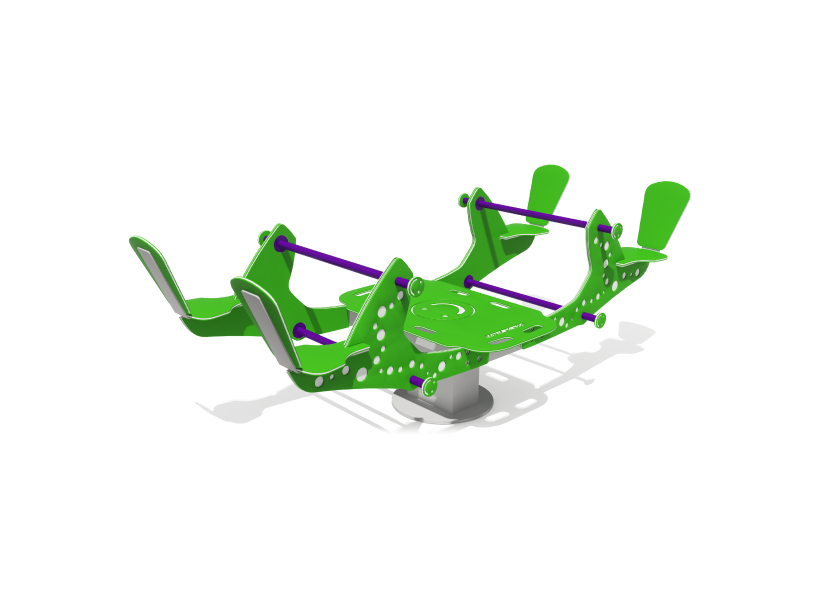
A giant swing that accommodates more than one child will help them interact with one another and work together to do the swing. Spinners and seesaws can have a group play where they have an opportunity to work to make it work and have fun.
Role Playing
Playhouses and Mini Towns/Villages can help them role-play, promoting imaginative play where they can develop their communication and interaction with society. Providing costumes they can wear can also help them be more creative and level up in pretend play.
Climbing Structures
Ropes or rock climbing, balance beams, and bridges will enhance their social interaction as they take turns navigating the play. An obstacle course engages them in playing in groups or pairs, which promotes team coordination and collaboration with each other’s ideas.
Interactive Sensory Zone
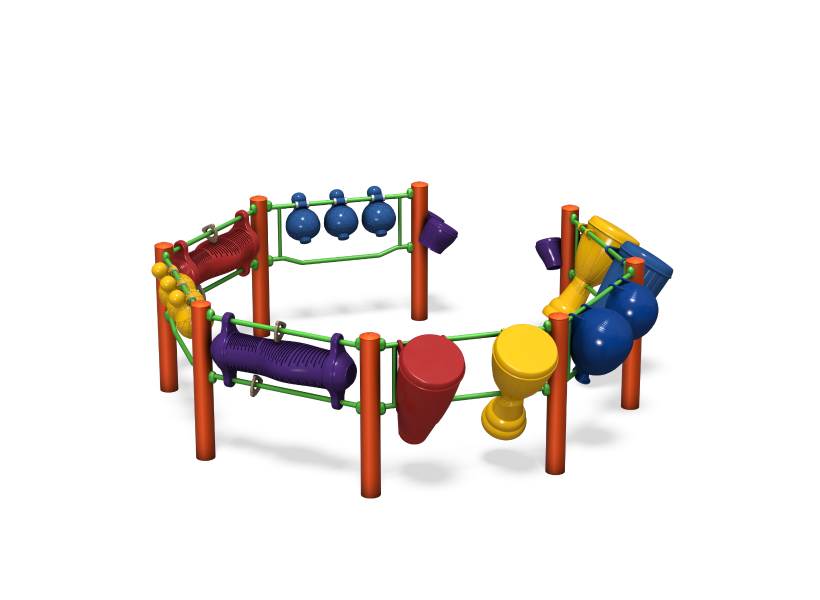
Musical instruments like chimes, drums, and xylophones can help them make sounds together and share ideas as they produce sounds.
Puzzle and Building Blocks Zone
Building blocks, legos, and wall-mounted puzzles invite children to work on constructing ideas that promote creative play.
Inclusive Play
Every playground must have a play area accessible to all abilities, and friendly benches will highlight kindness on the playground.
Having play equipment that promotes social play creates a friendly and kind environment that nurtures social skills, cooperation, and team building among students.
Object Play
Private school playgrounds focus on play areas that will develop their creativity, problem-solving, and fine motor skills. Some play ideas that will incorporate object play include;
Sand Play
Sandboxes with buckets, shovels, molds, and rakes promote creative and imaginative play as children mold objects, sand castles, and other structures. The tools and objects enhance their fine motor skills and cooperative object play.
Build and Construct
Foam, Lego Bricks, or Giant, sturdy building blocks are significant for building structures that promote creativity, spatial awareness, and cooperative play.
Art Station
The station is where they can draw and express themselves artistically with the chalkboards, canvas, and whiteboard installed, and objects and tools they can use like chalks, markers, and paint materials
Eco-, outdoor-friendly, and non-toxic materials will help them be environmentally friendly and aware of their natural surroundings.
Ride and Play
Ride-on play equipment in designated spaces will help develop their balance and gross motor skills and encourage social play when riding together. Pedal cards and karts that invite two or more players promote object play and cooperative play, which will develop imaginative play as they play and navigate the course.
Interactive Puzzle and Board Games
Install puzzle boards where they can manipulate and complete the pattern. A board with gears, levers, and sliding pieces encourages children to navigate the objects, which will develop fine motor skills and cognitive skills.
Music and Sounds
Outdoor musical instruments like drums, xylophones, and chimes where children can explore the sounds and rhythm using musical tools or their hands can be done independently, and group music sessions.
These object play ideas will encourage exploration, creativity, and learning in the play area, helping children develop cognitive and physical skills using those objects, tools, and materials.
Imagineitive Play
An imaginative play station encourages children’s creativity, role-playing, and social interaction. It allows children to explore different imaginative play and express themselves.
Here are the imaginative activities that will inspire young minds in the playground.
Themed Play
Playhouses, mini towns, and themed play structures will stimulate their creative minds, help them explore the plan, and engage them in a happy activity.
Performance Area
Installing a stage where children can showcase their talents as they experience imaginative theater vibes, dance, sing, act, and use objects and props that will inspire them more and have fun in the stage play.
Fantasy Play
A fantasy-inspired play area where they can pretend like fairies or other magical creatures will bring them different excitement and jumping joy experiences. ISpace stations or a Dinasour Era-themed play area can also stimulate their imaginative play and creativity, giving them a different dimension vibe that will sparkle their imagination.
Obstacle courses and quest paths can also be present, encouraging collaboration, teamwork, and problem-solving skills among children.
Story Boards and Panels
Story-themed panels or storyboards with pages that children can rotate and turn can help them be imaginative and create their own stories. This promotes group play and will also enhance their social skills.
Character Cutouts can give children a more inventive and creative vibe as they pose, play, and pretend.
These imaginative play and activities allow children to use their imagination and creativity to a new level as they step into new characters, dimensions, and roles that will enrich their social, emotional, and intellectual skills in the play area.
Sports Play
Sports areas like basketball and soccer fields allow children to play in teams that will develop team play. It also helps them boost their athletic side at a young age. These sports play will enhance their motor skills, physical coordination, and social interaction among children.
The game board will help the children develop their strategic thinking skills and social interaction as they take turns while playing.
STEM Play
Having STEM (Science, Technology, Engineering, and Math) play in the private school playground encourages honing the children’s intellectual skills, curiosity, and critical thinking ability.
Here are some STEM Play ideas that will hone these and make the playtime fun and educating;
SCIENCE
This area focuses on scientific concepts like gravity, inertia, friction, and motion, which will give students new insights and understanding of science.
Interactive Science Installation
Scientific magnetic walls with movable magnetic gears, balls, and ramps allow children to design their discoveries while they learn about magnetic magic and gravity.
Meteorology station where children can explore weather data and role-play, thermometers, and wind instruments that can make playing fun and learning.
Physics and Motion Play
Pendulum Swings are designed to present the pendulum motion, teaching children about the physics of motion and momentum.
Rolling Balls and Pulley Systems: They can roll the balls or marbles and adjust the angle, which will affect the speed and distance, showing them how gravity and inertia work. Another idea is lifting buckets, where the pulley system embraces learning about force, work, and the basic mechanical ideas that will make playing learn about physics facts and strategies.
TECHNOLOGY
In this area, children can have a better and basic understanding of how technology works and will develop their critical thinking skills using technological devices.
Technology Play Station
Floor tiles with arrows and stimulating coding patterns allow children to arrange and code their solving problems and discover algorithms.
A domestic one and remote-controlled area will allow children to navigate, develop problem-solving skills, and learn the basics of robotic technology.
Interactive Te: Solar-powered walls that light, vibrate, or create sound when activated help the children understand the basics of circuits, cond, and solar energy.
ENGINEERING
Engineering skills may show in this play area, where different materials and objects help children construct and build their ideas and hone their creativity.
Engineering and Building Zone
Children can construct and showcase their building skills by providing safe, loose materials like blocks, tubes, connectors, gears, ills, giant foam bricks, LEGOs, and blocks they can use as they construct. This kind of play promotes children’s creativity, engineering skills, and social interaction as they build as a team.
MATH
Mathematics can be studied in fun ways, such as number blocks, tiles, puzzles, and patterns, which can help children practice their math skills while playing and having fun.
Math-Geometry Inspired Play
Interactive panels with geometric shapes and puzzles where children can create patterns and solve puzzles. Measuring tools could be rulers, giant measures, or balance scales to explore measuring skills.
This kind of play will help them develop their mathematical critical thinking skills and will help them practice mathematics in a fun way.
STEM LABS
Outdoor science labs where they can conduct easy experiments and explore things with a microscope and magnifying glass.
A tinkering station where the children can explore with tools and materials will help them understand basic mechanical ideas.
These STEM play ideas for private school playgrounds will allow children to learn curiosity and improve critical thinking. This will significantly help their academics as they understand the basic concepts of science, technology, engineering, and math in a fun and interactive environment.
Conclusion
Designing the playground for a private school offers an excellent opportunity to create a space that will nurture children’s physical, cognitive, and social development as they play. These ideas will ensure that children develop in a playful setting and that playtime becomes valuable as it provides growth, exploration, and holistic learning.